Can't or Can? growth mindset story previewNEW

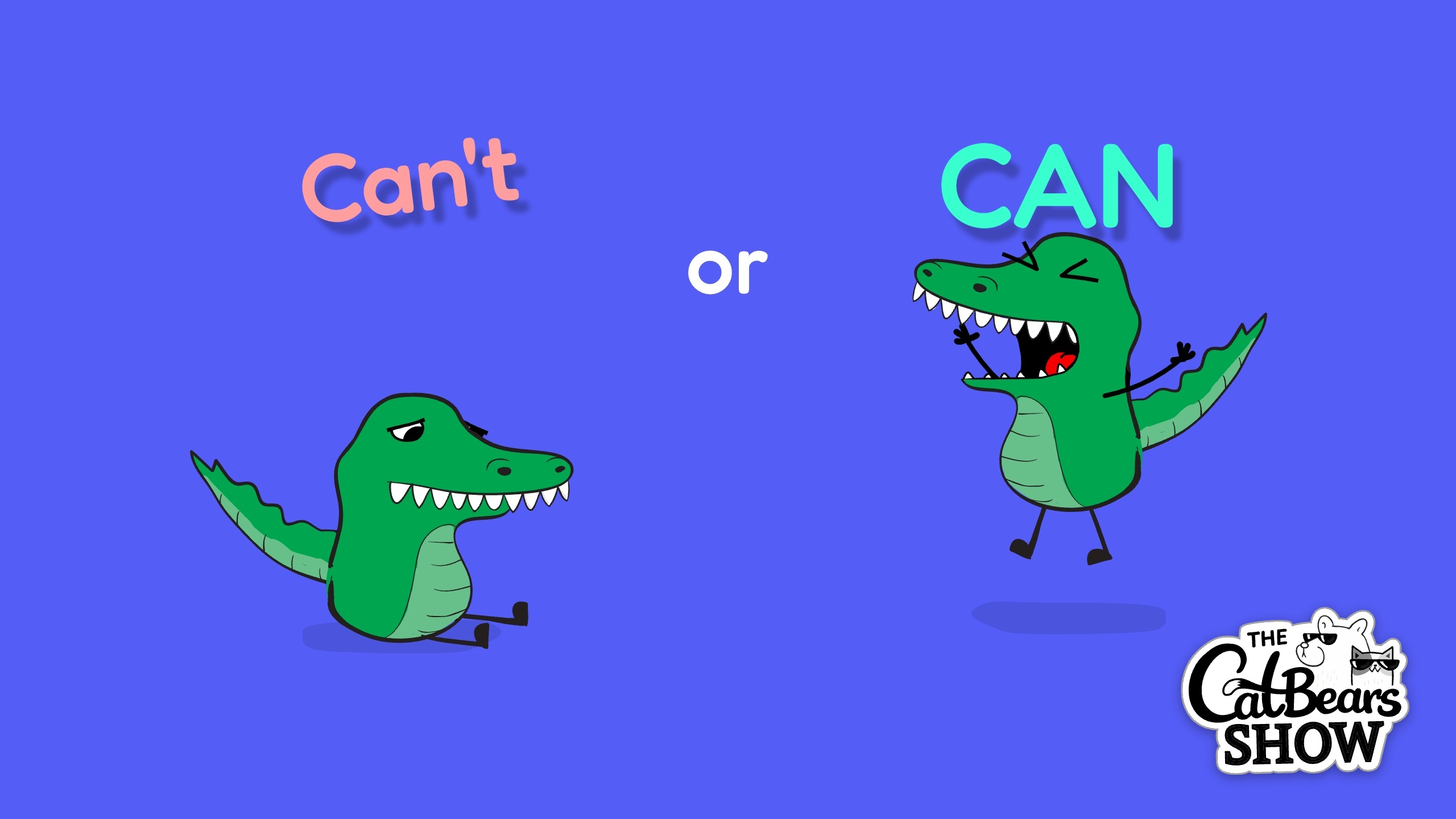
Can't or Can?

A short, interactive growth mindset story about going from "I can't" to "I can", one try at a time.

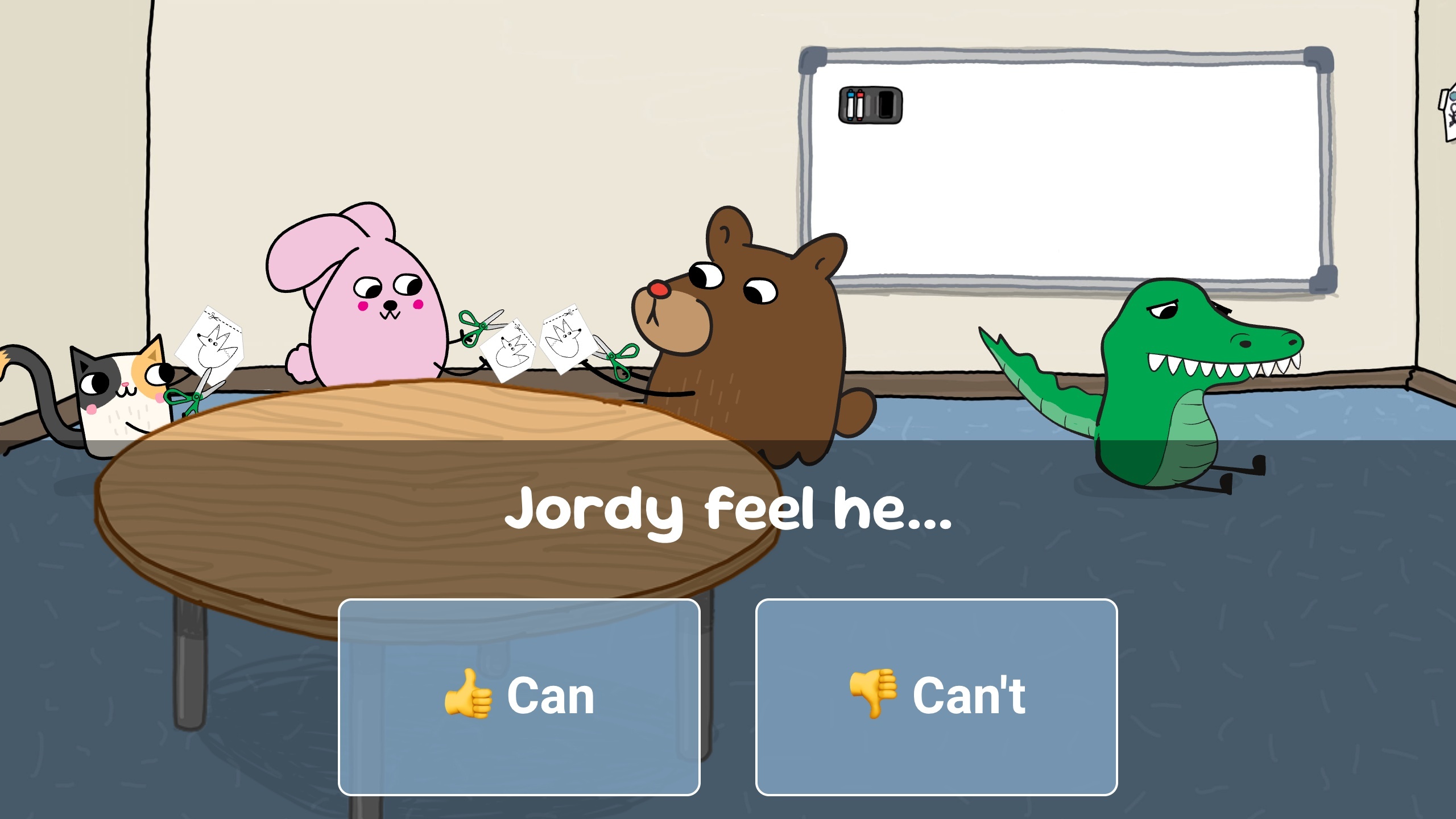
Jordy from Catbears struggling to cut with scissors while saying he can't do it

Growth mindset for kids, in one short story

Every kid hits the wall where they say "I can't." They drop the pencil, give up on the puzzle, or melt down over the scissors. That moment is exactly where a growth mindset starts.

In this story, Jordy can't cut with scissors. He feels like everyone can do it but him. Kids watching get to choose what Jordy does next: give up, ask someone to do it for him, or ask for feedback and try again.

Only one path teaches him to cut. It is a simple way to show kids the power of yet: you can't do it yet, and there is a way to get there. The story gives the room a shared language for trying, struggling, and learning, that you can come back to the next time a kid says "I can't."
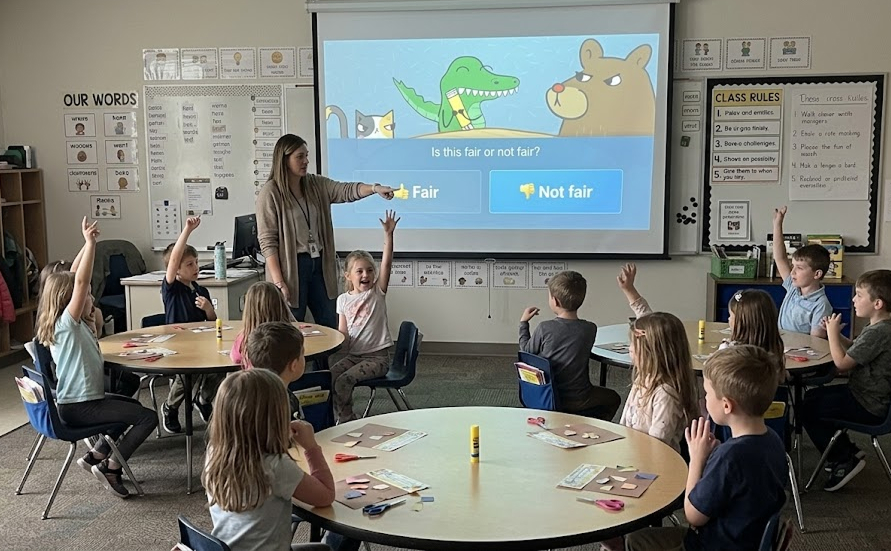
A classroom of kids watching the Catbears growth mindset story on screen while the teacher leads the discussion

A growth mindset story for kids that starts the talk

Put it up on the screen at morning meeting or as a quick warm-up. The class watches Jordy struggle, votes on what he should do, and sees what happens with each choice. By the end you have a whole room ready to talk about what "I can't yet" really means, and why asking for feedback beats giving up.

Positive self-talk for kids, made concrete

Therapists and parents can use the story one-on-one to make self-talk visible. Jordy says the things kids say to themselves: "I'm so bad at this," "everyone can do it but me." Pause after each line and ask the child if it's true, and what Jordy could say instead. It is a low-pressure way to practice positive self-talk and perseverance with a kid who would freeze up if you asked them about it directly.

How to use it as a growth mindset activity

You can watch it through and have a chat. That works. But the better way: play it right before a task the kid finds hard, and use it as the growth mindset activity that frames the day. The story gives them the words, gives the room a name for the skill you're practicing. Then when the real "I can't" shows up during the activity, the kid already has the language: not yet, and I can ask for feedback. The activity becomes the safe place to try the thing they just watched Jordy learn.

The power of yet: from "I can't" to "I can"

Giving up keeps the "I can't"

When Jordy gives up, or hands the scissors to someone else, the problem looks solved. But he still can't cut. The story lets kids watch those choices play out and feel why they don't work: if you give up or let someone do it for you, you stay stuck at "I can't." Kids reach that conclusion on their own, which lands harder than being told.

Asking for feedback turns it into "I can"

On the feedback path, Bear notices Jordy is holding the scissors upside down. One small piece of feedback, one more try, and Jordy can cut. That's the whole idea of the power of yet in a single scene: the skill wasn't impossible, it just wasn't there yet. Right after watching, give kids a hard-but-doable task and let them ask for feedback the same way.

About Catbears

Catbears is about helping kids get good at the hard parts of being a kid, starting young. This growth mindset story is one of a growing set. Each one takes a real moment kids run into and gives the grown-up in the room a simple way to talk about it.

Can't or Can? game preview

Ready to play Can't or Can?

Questions parents, teachers, and therapists ask

Start with a real moment where they're stuck, and give them two ideas: the word "yet," and the move of asking for feedback. This story does both. Jordy can't cut with scissors, and the only path that works is the one where he asks for feedback and tries again. Watch it once, then the next time your kid says "I can't," add "yet," and ask what feedback might help. The story gives them a picture to attach those words to.

It's the difference between "I can't do this" and "I can't do this yet." That one word turns a dead end into a step on the way. This story shows it without saying the phrase: Jordy can't cut, then he learns one small fix and he can. Kids see that the skill wasn't impossible, it just wasn't there yet.

Yes. Open it on the smartboard at morning meeting or as a short warm-up before a tricky activity. The class votes on what Jordy should do, and you pause to ask why each choice works or doesn't. It runs great as a stand-alone, interactive growth mindset story for kids ages 4 to 8, and as a quick setup before any task where kids tend to give up.

Jordy is trying to cut with scissors and can't. He feels like everyone can do it but him. The kids watching choose what he does next: give up, ask someone to cut it for him, or ask for feedback. Give up and ask-someone leave him stuck. On the feedback path, Bear points out he's holding the scissors upside down, Jordy turns them around, tries again, and it works.

Play the story first, then move straight into a hands-on task and treat it as the growth mindset activity for the day: a tricky craft, a new puzzle, tying shoes, writing a hard letter. The rule is simple, and it doubles as a perseverance activity for kids: when you get stuck, you don't quit and you don't hand it off, you ask for one piece of feedback and try again. Catch kids using "yet" out loud and name it. That loop, watch then do, is what turns perseverance for kids from a poster on the wall into something they actually practice.

Jordy says out loud the things kids think quietly: "I'm so bad at this," "everyone can do it but me." Hearing it from a character makes it safe to notice. Pause on those lines and ask the child whether it's true, and what Jordy could say instead. It turns self-talk into something you can look at together, instead of a feeling the kid is stuck inside.

It works best for ages 4 to 8. The story is short and the choices are clear, so younger kids stay with it. Older kids enjoy the discussion about why giving up and asking-someone-else don't actually help.

It's free. No account, no app to install, no ads. It runs in any browser on a phone, tablet, or computer.