Personal Space Social Story PDF Free Printable

Free personal space social story PDF for kids with autism. A printable visual support that teaches children to read body language signs - knowing when to come closer and when to give space.

Skills this social story covers:

  • Understanding what personal space is and why it matters.
  • Learning to look for body language signs that say 'enter' or 'stay out.'
  • Knowing when to ask if unsure.
  • Practicing personal space at home in a calm environment.
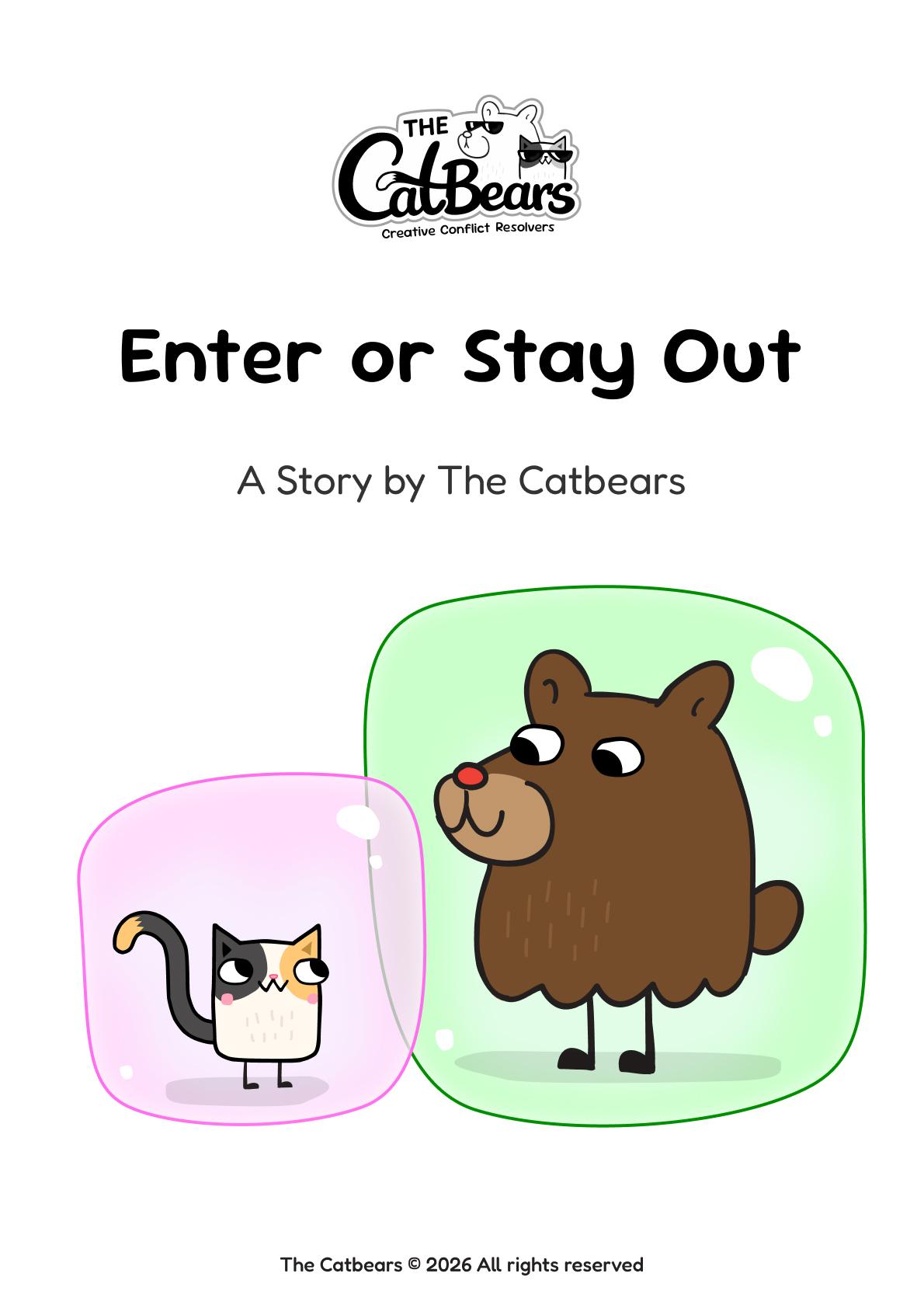
Skills this social story covers:

  • Understanding what personal space is and why it matters.
  • Learning to look for body language signs that say 'enter' or 'stay out.'
  • Knowing when to ask if unsure.
  • Practicing personal space at home in a calm environment.

When children don't respect personal space, it's not because they don't care. It's because they haven't learned to read the signs.

This isn't just a story. It's a practice.

  • Children learn what personal space is
  • They practice looking for body language signs
  • They learn to ask when they're not sure
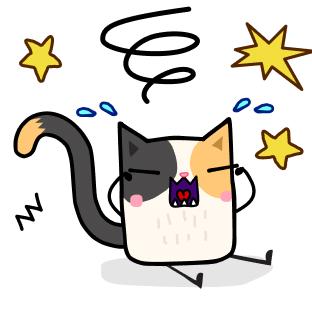
Why Personal Space MattersWhy Personal Space Matters
Open arms means enterOpen arms means enter
Stepping back means stay outStepping back means stay out
Not sure? Just askNot sure? Just ask

Over time you'll see progress

Children learn to notice the signs and make better choices about when to be close and when to give space.

A skill that helps children connect with others safely.
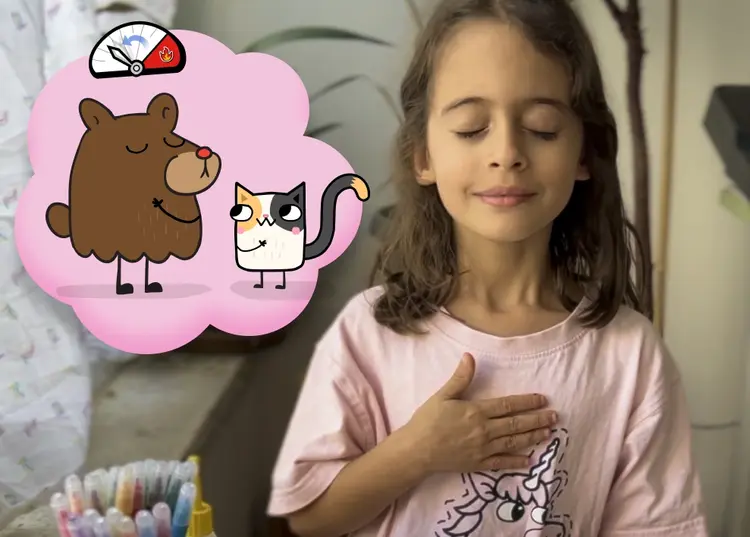
Bear and Cat characters demonstrating personal space boundaries for kids

How to Use:

  1. Print or open on tablet
  2. Read together regularly
  3. Practice looking for signs in daily life
DOWNLOAD THE SOCIAL STORY (PDF)
File size: 12.5 MBPages: 17 pages

Free Personal Space Resources for Kids

This free personal space social story PDF teaches children what personal space means and how to read body language signs. Unlike other resources that simply say 'keep your distance,' this visual support shows children that personal space is flexible - sometimes we enter, sometimes we stay out. It's about learning to look for signs like open arms, stepping back, or crossed arms. Perfect as a personal space worksheet alternative, this printable works for autism, ADHD, and any child learning social boundaries.

A personal space social story is a visual teaching tool that helps children understand boundaries. It teaches them when it's okay to be close to someone and when they should keep distance, using simple language and pictures they can easily understand.
A personal space bubble is the invisible area around a person's body where they feel comfortable. This social story teaches children that everyone's bubble is different - some people like close contact, others need more space. The key is learning to read the signs that tell you whether someone's bubble is open or closed.
This personal space story is designed for children aged 3 to 8. It uses simple language and engaging visuals that work for toddlers, preschoolers, and early elementary students who are learning social boundaries.
This tool is designed for parents, teachers, and therapists working with children who struggle with personal space. It works well for visual learners and any child developing social awareness skills.
Yes. Many children with autism or ADHD find personal space confusing. This story breaks it down into clear, visual steps - teaching them to look for signs that tell them when to enter someone's space and when to stay out.
After reading this story, practice with games: Have your child approach you and stop when they see a 'stay out' sign (crossed arms, stepping back). Then show 'enter' signs (open arms, smiling, leaning in). You can also practice with stuffed animals or while watching TV - pause and ask 'enter or stay out?' when characters interact.
Yes. As part of The Catbears mission to help children navigate social situations, this PDF is 100% free for home, classroom, or therapy use.
Most personal space stories just say 'give people space.' This story teaches children that personal space isn't a rule to always keep distance - it's about knowing when to enter and when to stay out. It gives them practical signs to look for and teaches them to ask when they're unsure.
Read it when your child is calm and relaxed. Go through the signs together and practice identifying them. Then, in daily life, point out signs when you see them and ask: 'Does this mean enter or stay out?'
We recommend reading it daily for the first week, then as needed. The real learning happens when you practice spotting signs in everyday moments - at home, at the playground, with family and friends.
That's completely normal. Personal space is learned through practice and repetition. Keep pointing out signs gently, without pressure. Your home is their safe place to make mistakes and try again.
Social stories are a proven method for teaching social skills. This story gives children a clear framework - 'enter' or 'stay out' - and teaches them to look for signs. With consistent practice, children learn to read social cues more confidently.