My daughter came home from preschool one day and said: "Maya took the last purple crayon. She's not my friend anymore."
To her, it felt like a big thing. Her feelings were real, even if the situation wasn't so serious.
That's what makes empathy such a deep skill to practice. We can't just tell children to "be kind." We have to help them notice what others might be feeling — and that journey starts with understanding their own feelings first.
Craft activities create contained moments for this practice. We can predict what feelings will surface, and guide children through them in real time.
8 Kindness Activities for Kids
1. Greeting Card for Someone You Love
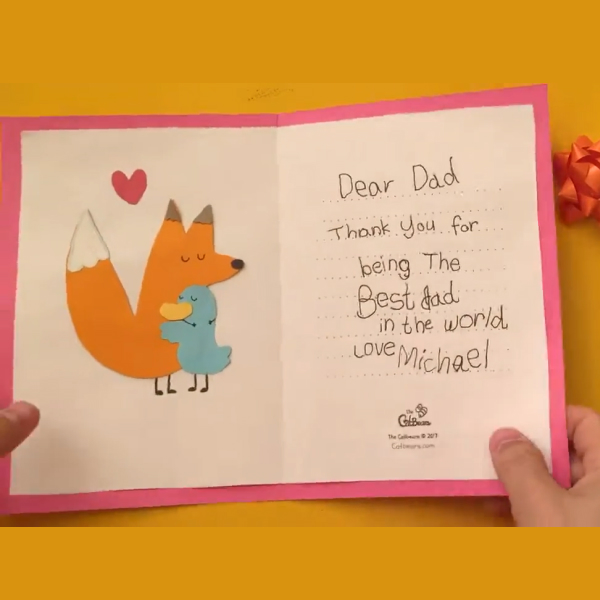
Find the activity here: Greeting Card for Someone You Love →
A greeting card is a simple and touching way to tell someone how much they mean to you. The conflict between wanting to keep something beautiful you made and wanting to give it away — that's the real practice. We let children feel that pull, then imagine how the receiver would feel.
Materials: Paper, scissors, glue, markers, colorful paper
Social-emotional challenges:
- The child wants to keep the card after making it. Acknowledge it: "You made something beautiful. It's hard to give away something we love." Then: "How do you think they'd feel if they got this?"
- The child makes a card but doesn't want to give it to the person they originally chose. Let them change their mind — or explore why.
- Two children want to give a card to the same person. "You both want to make Maya happy. She gets two cards!"
2. The Recognizing Feelings Collage
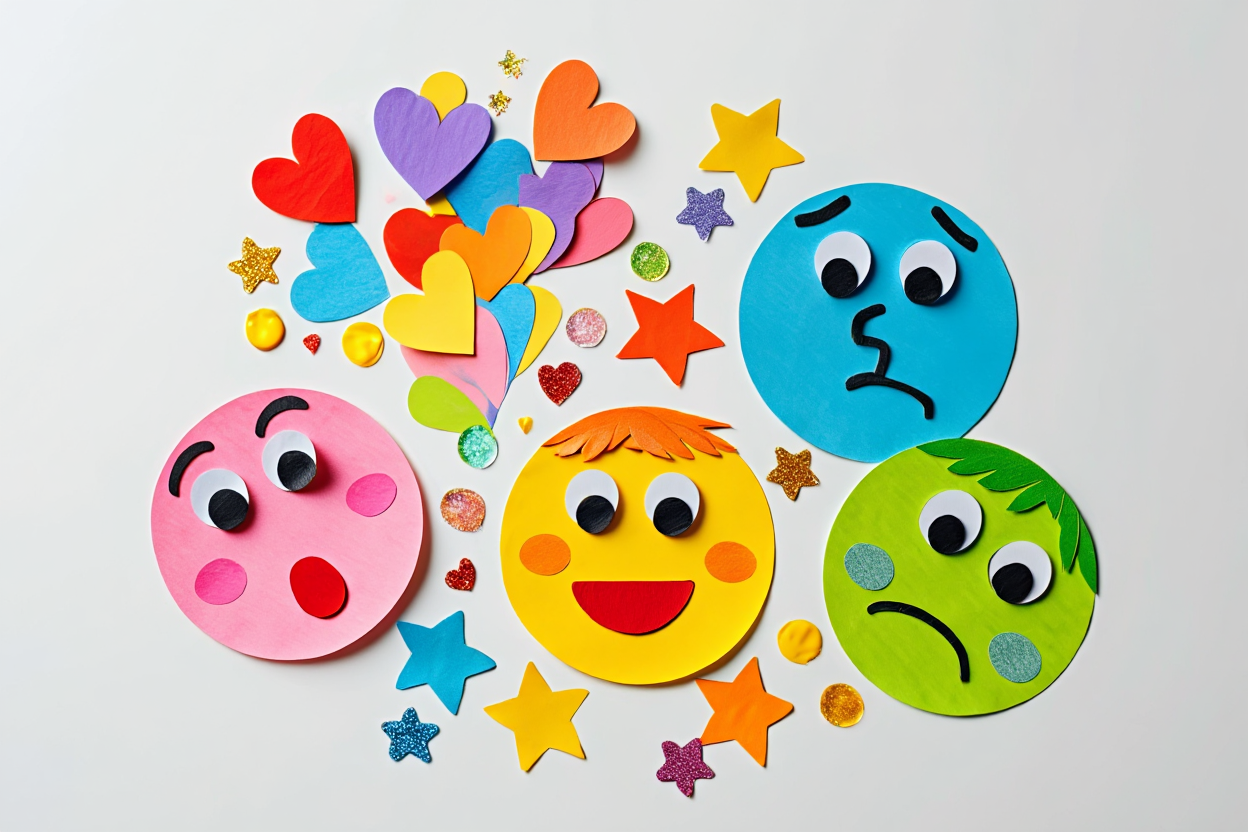
The craft is cutting and gluing. The design is creating space to notice and name what others might be feeling — especially the feelings that are harder to talk about.
Materials: Old magazines, scissors, paper, glue
Social-emotional challenges:
- The child only wants to cut out happy faces. Don't correct it — wonder with them: "Do you think everyone feels happy all the time?"
- The child avoids a sad or angry face. "That one looks scary." Ask: "What do you think happened to make them feel that way?"
- The child recognizes a feeling they've had. Adults can model first: "I felt sad yesterday when..." This shows it's safe.
- Two children disagree about what emotion a face shows. "You see different things. Both could be true."
3. The Hard-to-Give-Away Creature
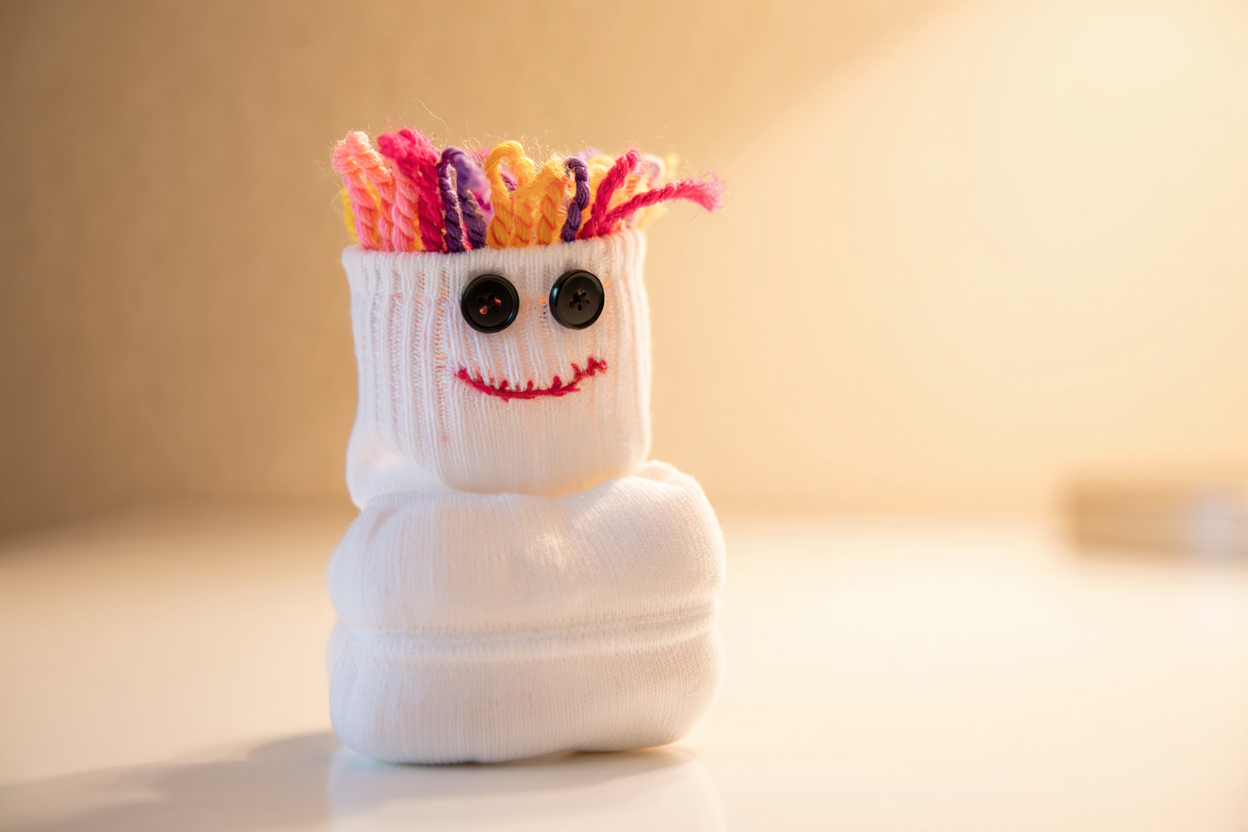
They put love into making it. Then we ask them to give it away. Of course they might not want to. That tension is the design — practicing holding both desires at once.
Materials: Socks or paper, stuffing or cotton balls, markers, buttons
Social-emotional challenges:
- The child doesn't want to give the creature away after making it. That's understandable — they've put love into it. You might make two: one to keep, one to share.
- The child wants to keep the "better" one. "Which one do you think would make them happiest?"
- During making: keep them focused on the receiver. "What would make them feel cozy? Think about their face when they get this."
- The receiver doesn't react the way the child expected. "She didn't even smile." Talk about how people show feelings differently.
4. The Same Sparkly Sticker Moment
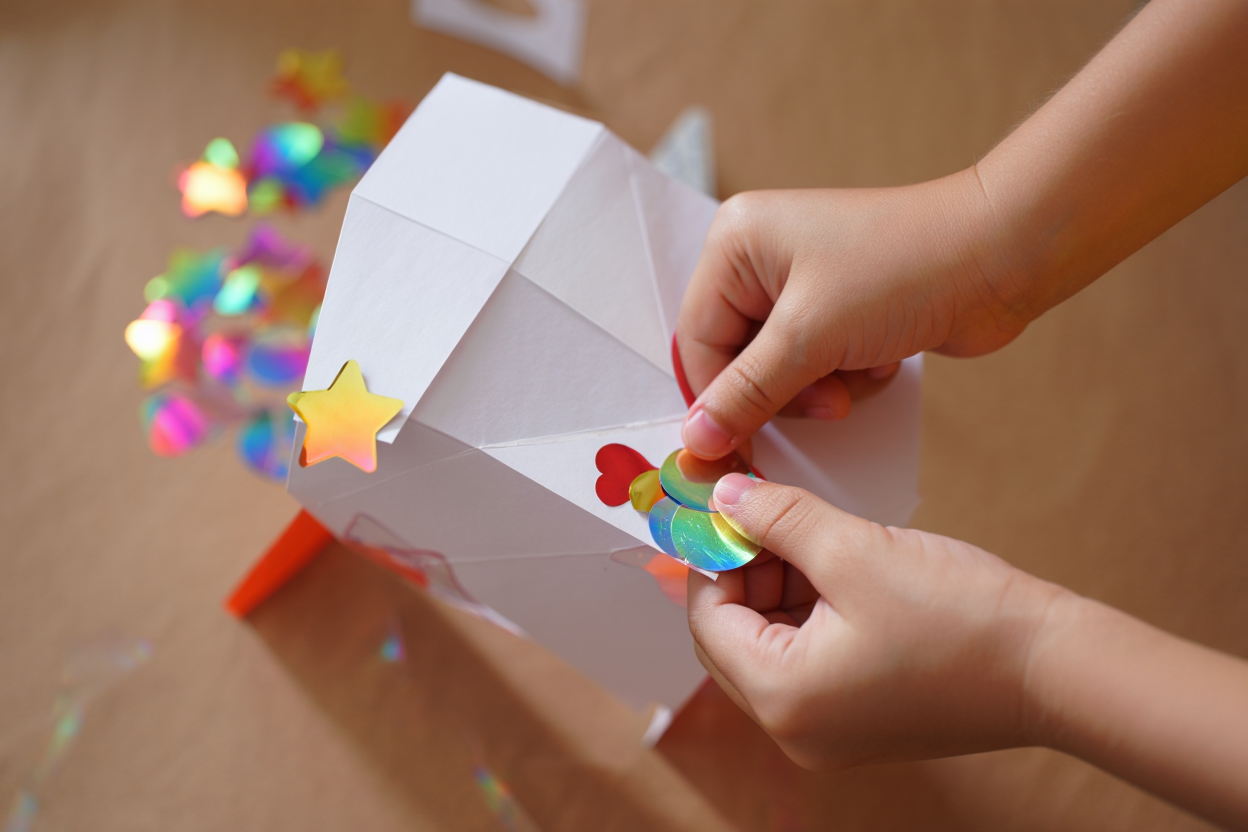
We intentionally include fewer special stickers than children. This creates the conflict on purpose — when both want the same sparkly one, they sit with competing desires and find their own solution.
Materials: Paper, sticker sheets (include some "special" ones — fewer than the number of children)
Social-emotional challenges:
- Two children reach for the same sparkly sticker. "You both noticed that sticker. What could you do?" Don't solve it for them.
- Someone takes a sticker another child wanted. "She took the one I wanted!" Acknowledge the feeling, then: "What could you say to her?"
- Someone hoards the special stickers. "You've taken all the sparkly ones. Others wanted some too. What could you do?"
- A child gives a special sticker to someone else. Notice it: "You gave that to her. How did that feel?"
5. The Noticing Good Chain
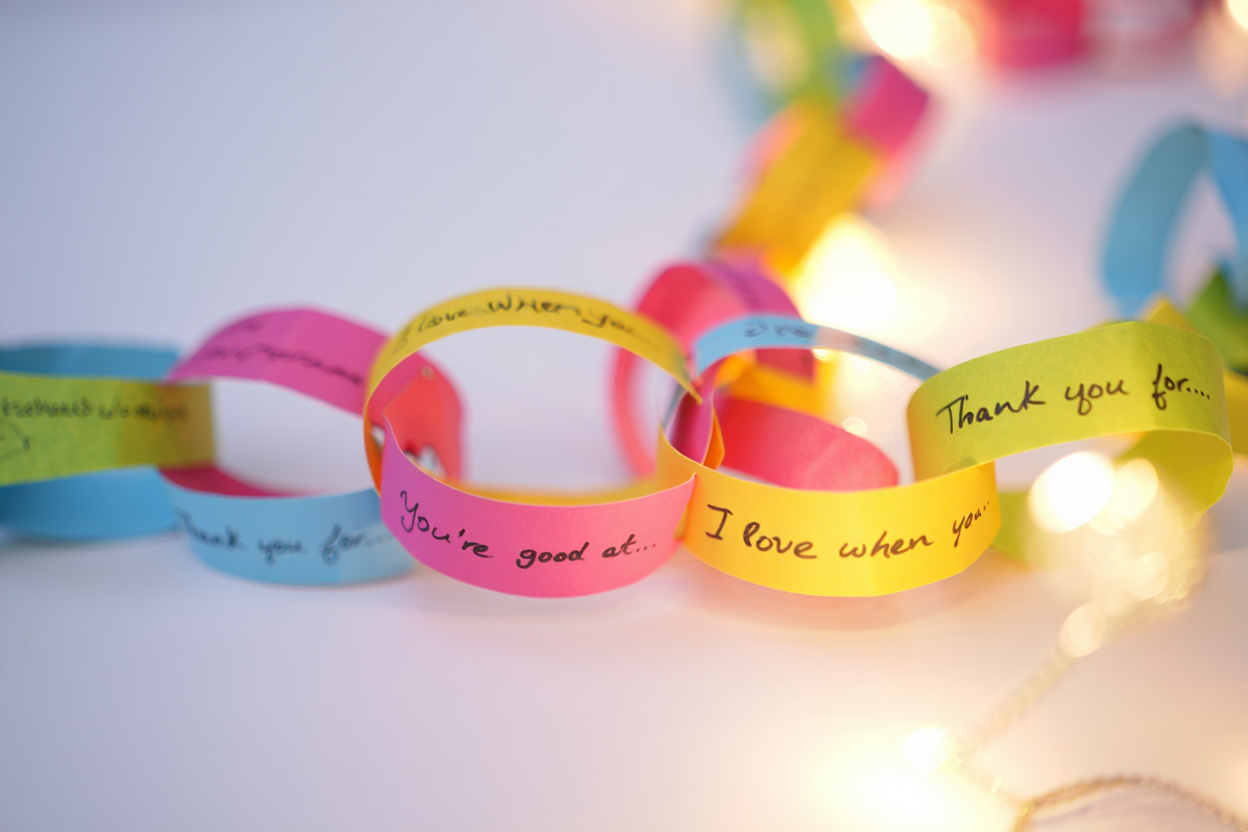
The craft is paper strips. The design is practicing the hard work of noticing good in people we find difficult — including siblings, classmates we don't always like, or ourselves.
Materials: Paper strips, markers, glue
Social-emotional challenges:
- "I don't appreciate anything about him!" Sibling feelings will surface. Don't rush past it. Let the feeling be there. Then: "Is there one small thing? Maybe something from a long time ago?"
- The child can't think of anything for someone. Start with easier people (grandparents, friends) to build momentum.
- The child writes something mean instead of appreciative. "What you wrote might hurt their feelings. What's one true thing you like about them?"
- Adults can initiate: add a strip for a person the child has conflict with. Model what it looks like.
6. The Conflict Story Stones
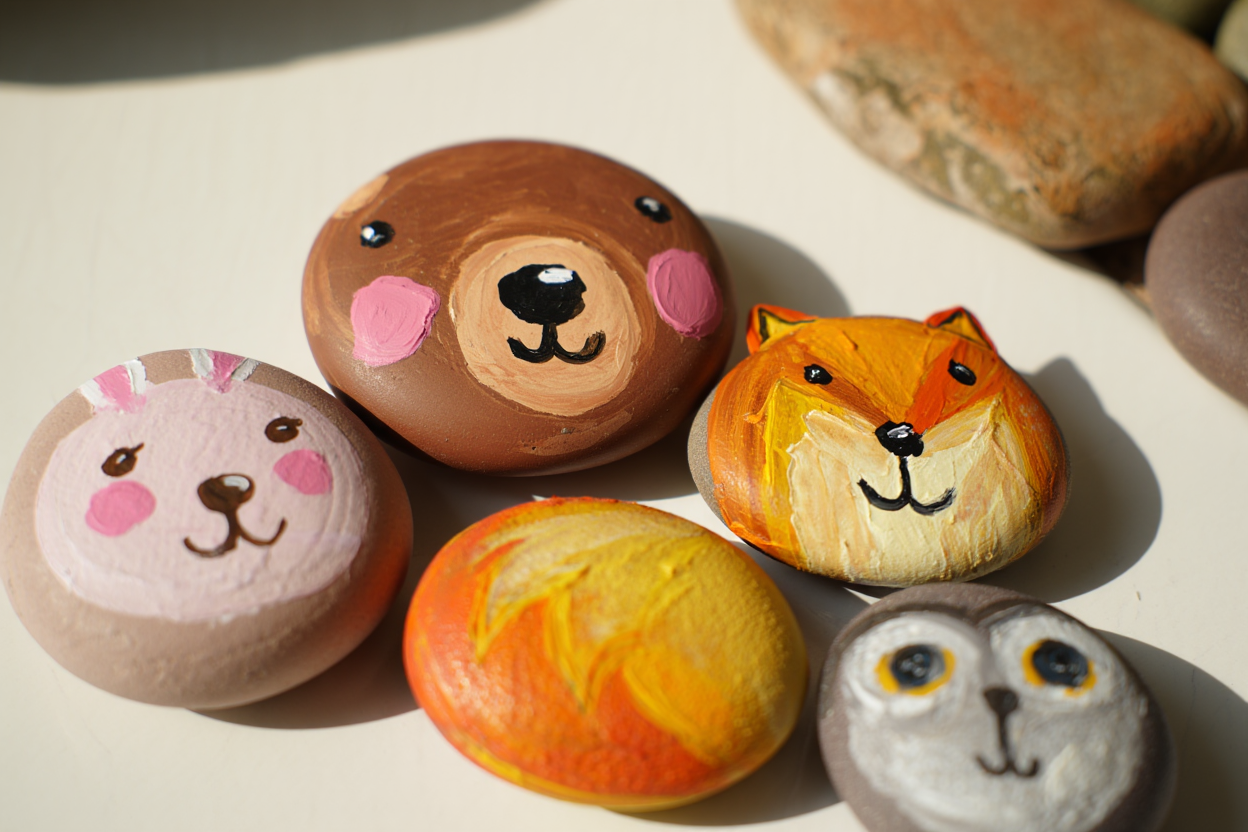
Stories let children safely explore conflict and its ripples. We don't correct unkind things in play — we use them. When a character does something mean, that's our opening to wonder about feelings together.
Materials: Smooth stones, paint or markers
Social-emotional challenges:
- A character in the story does something unkind. Don't correct it. Ask: "How does the bear feel about that?"
- Adults can initiate conflict in the story: "The rabbit is feeling lonely. What could the other animals do?"
- The child makes all the characters fight or be mean. Let it play out, then wonder: "In this story, everyone was upset. What would help them feel better?"
- Two children disagree about what happens next in the story. Practice: "You have different ideas. How could we include both?"
7. The Promise Coupons
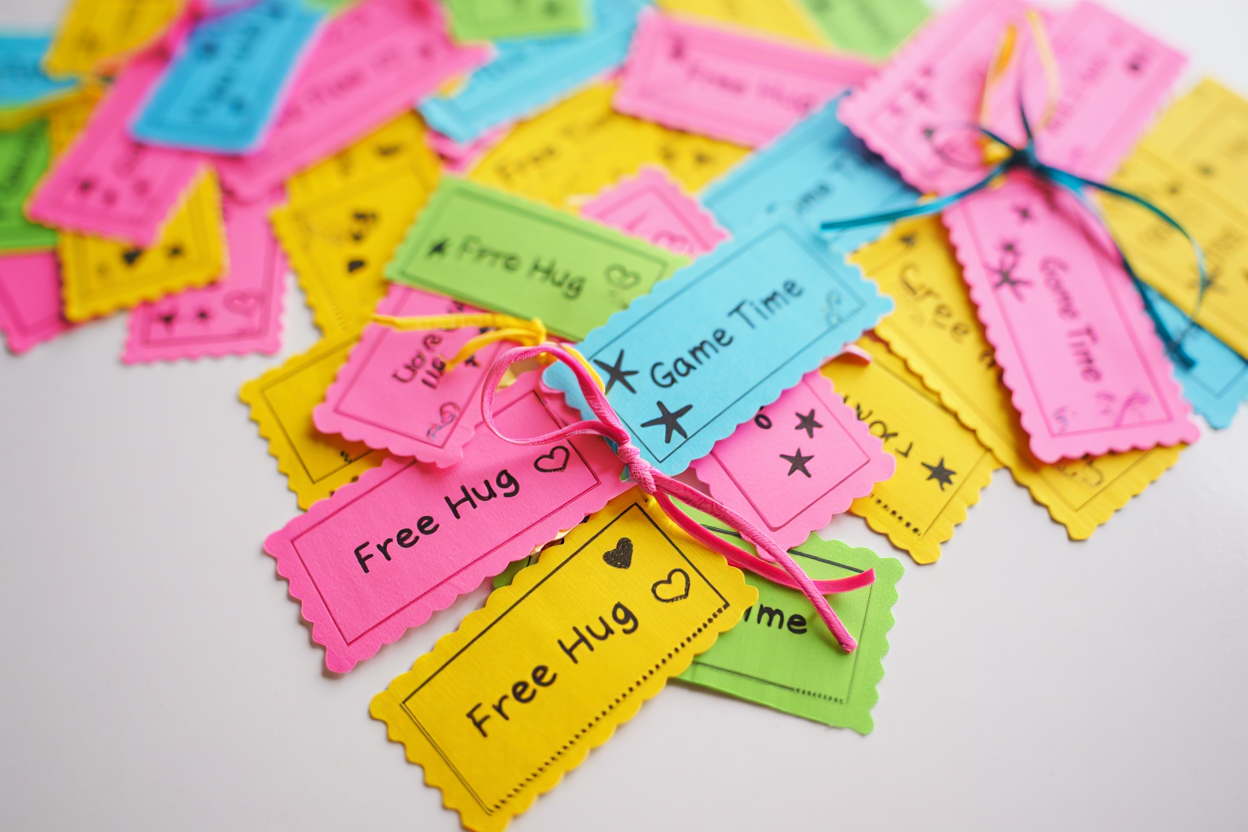
The practice isn't making pretty coupons — it's experiencing the weight of promises and what it means to keep them when it's hard. When it's time to redeem a coupon, the child might not feel like it anymore. That discomfort is the design.
Materials: Paper, markers
Social-emotional challenges:
- The child doesn't want to honor a coupon when it's redeemed. "You made a promise with this coupon. What could you do?"
- The child makes a coupon for something they don't really want to do. During creation, ask: "Are you sure? You'll need to do this when they ask."
- The receiver redeems the coupon at an inconvenient time. Practice: "You promised. Even when it's hard."
- Adults can initiate: ask the child to make a coupon for someone they're in conflict with. "What would make them feel special?"
8. The Safe Distance Puppets
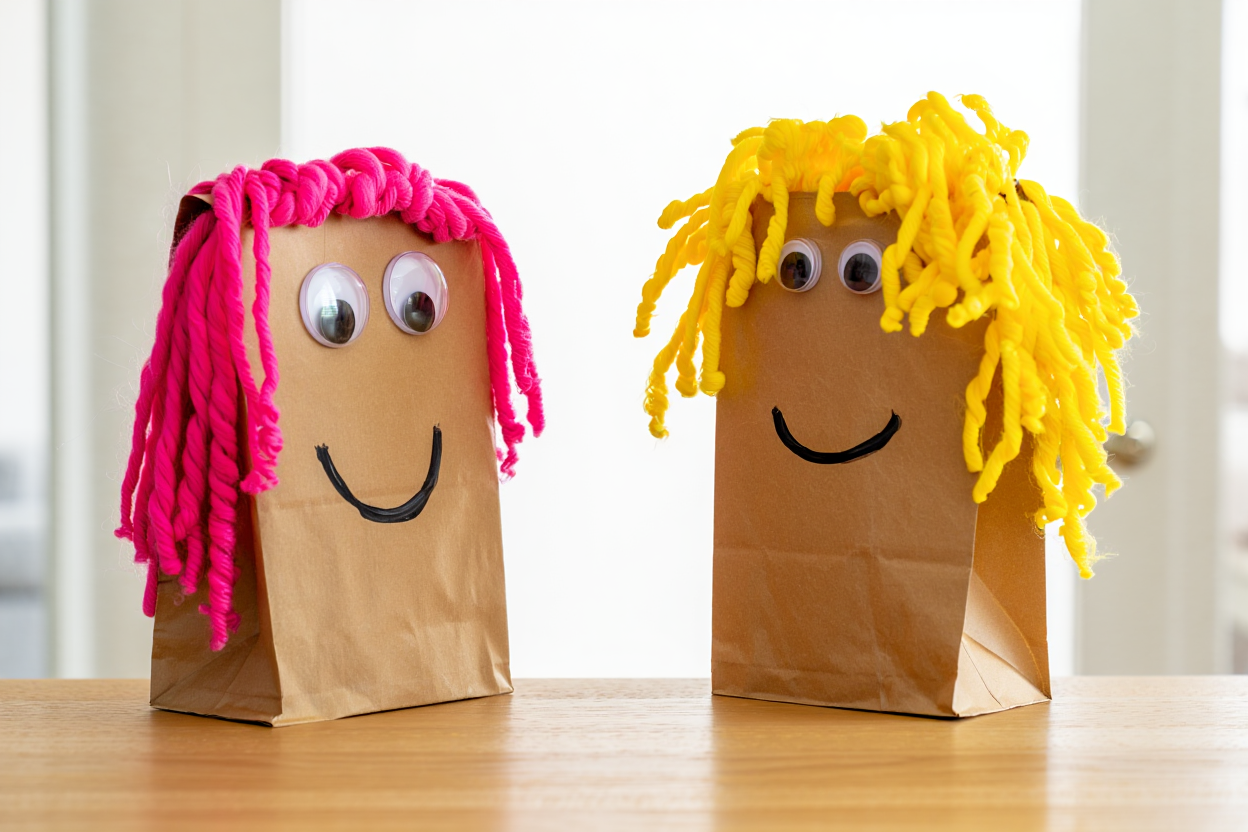
Puppets let children say words they're too nervous to say as themselves, and see how those words land. The safe distance is the design — big feelings can come out through the puppet instead of being held inside.
Materials: Paper bags or socks, markers, yarn
Social-emotional challenges:
- The puppet says something big: "I hate you!" Don't correct it. Ask the other puppet: "How did it feel to hear that?"
- Adults can initiate scenarios from real life: "Let's pretend this puppet's friend took their favorite toy. What could they say?"
- The child acts out something that happened to them through the puppet. Let them process it — the distance makes it safer.
- Two puppets have a conflict. Don't rush to resolution. "What does each puppet want? How could they both get some of what they need?"
Why This Practice Matters
The ability to notice what someone else might be feeling — and to consider it before we act — this doesn't come automatically. It develops through practice. Small moments, repeated over time.
A few weeks after the purple crayon incident, my daughter said: "Maya looked sad at pickup. I wonder if nobody sat with her at lunch."
The same Maya. But now my daughter could imagine what Maya might be feeling — without anyone asking her to.
That's the gift of practice. Not perfect empathy, but growing awareness. The craft is just the container.