Choice-Based Learning
Unlike passive stories, our games put children in the driver's seat. By making choices and seeing outcomes, they develop a deeper understanding of how their actions affect others and learn to think through social situations.
Practice real social-emotional skills through interactive puppet theatre scenarios. Help our Catbears friends navigate difficult situations and discover kind, thoughtful ways to respond.
Each game lets you make choices and see the outcomes, building empathy, active listening, and problem-solving skills through play.
 SEL
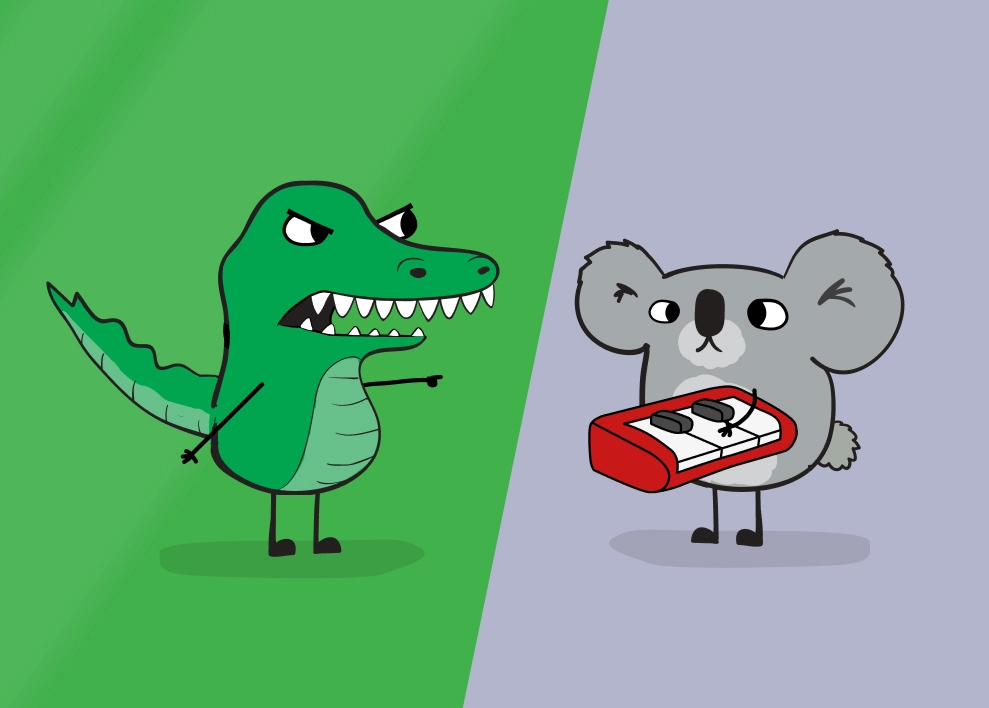
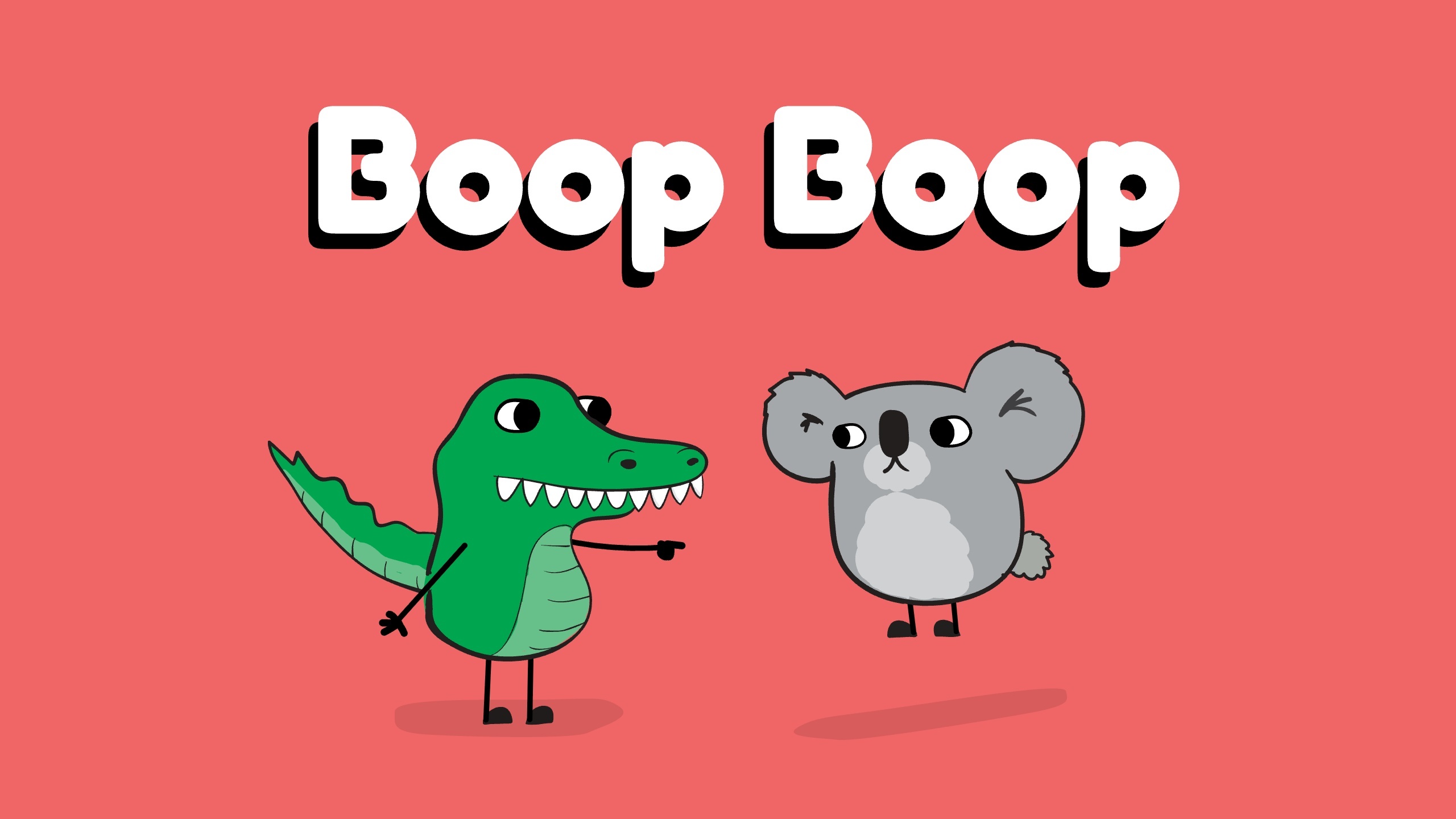
SEL An interactive game about setting a boundary: a friend keeps poking you and thinks it's funny, so how do you get him to stop and stay friends?
 SEL
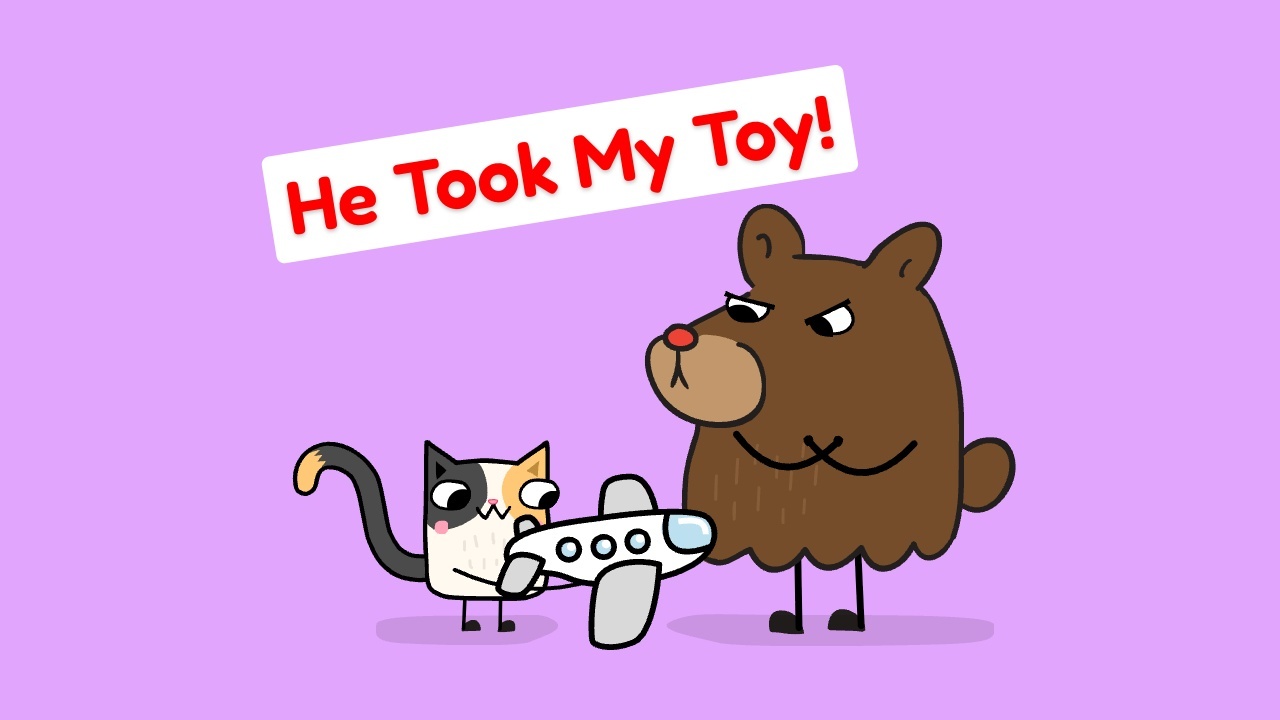
SEL An interactive game about sharing and taking turns: what to do when someone takes your toy without asking
 SEL
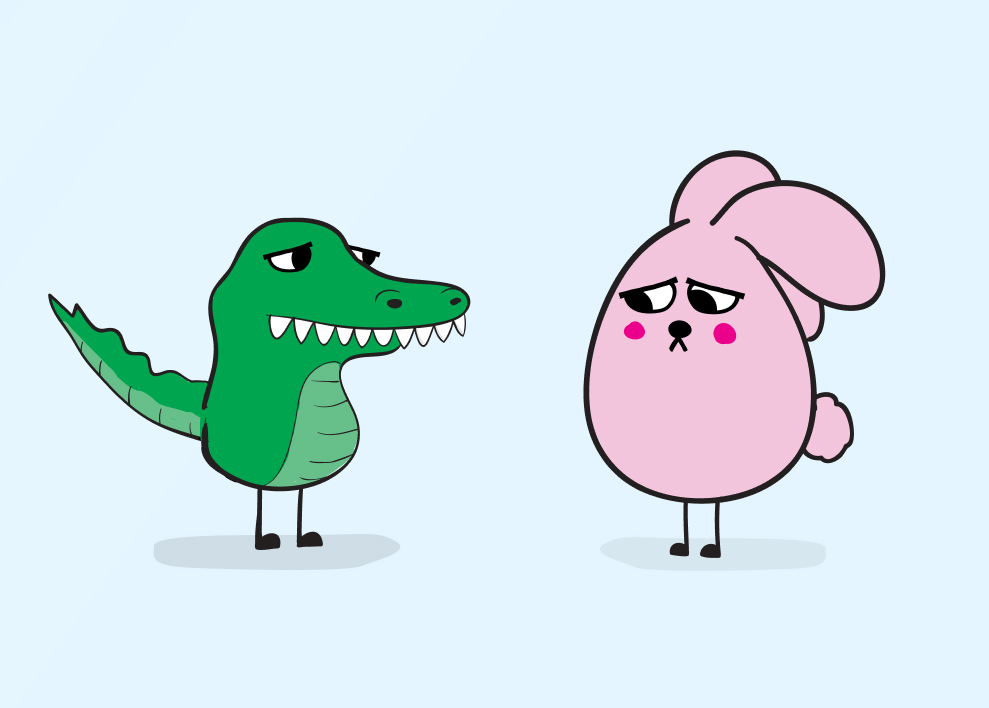
SEL An interactive social game about empathy and how to support a friend who's having a tough day
 SEL
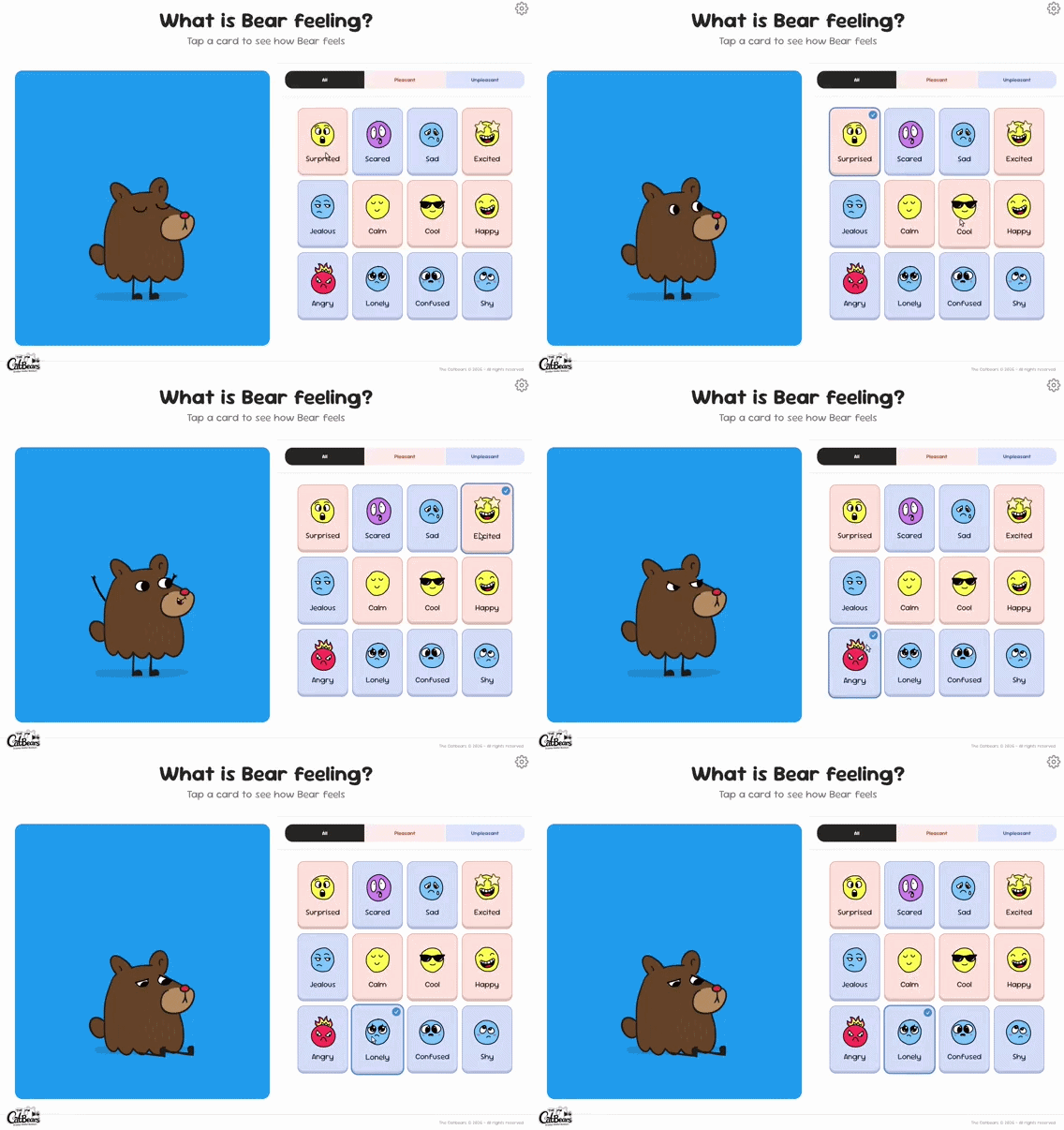
SEL Explore emotions by tapping feeling cards and watching Bear act them out
 SEL
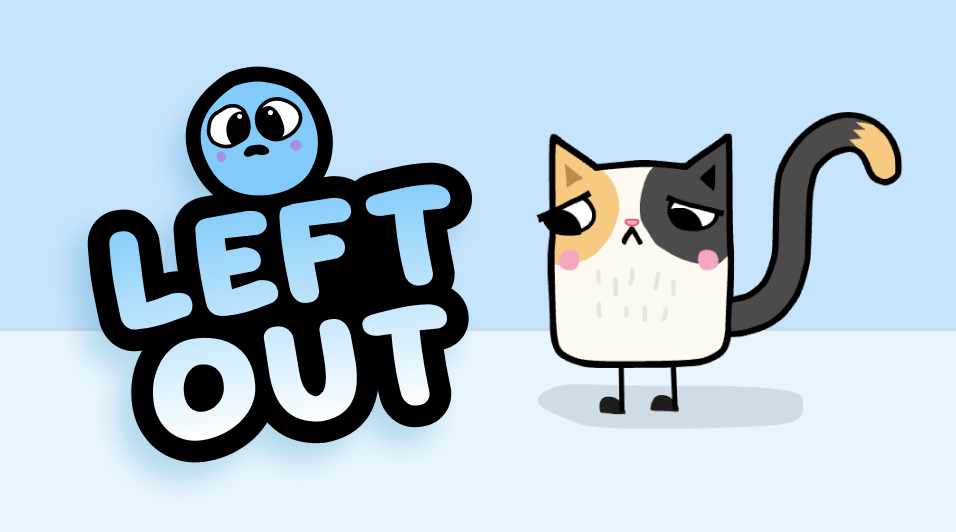
SEL An interactive social game about including others, and what to do when a friend wants to join the game
 SEL
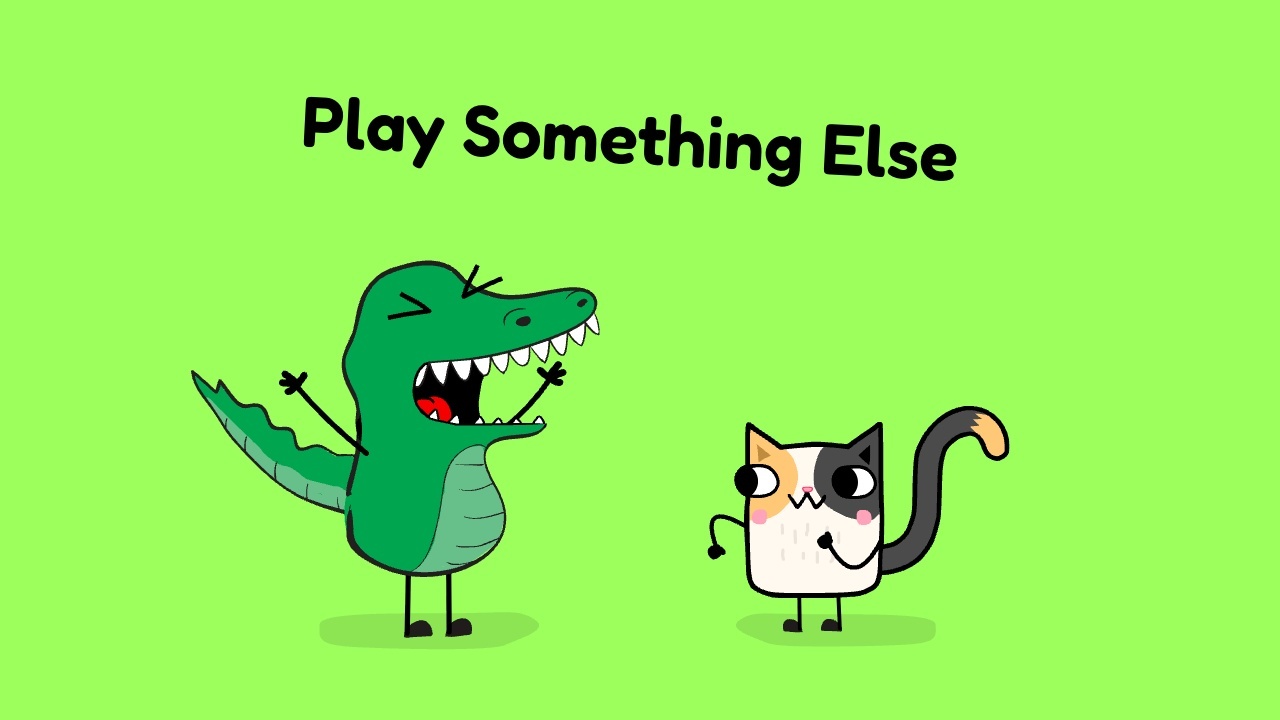
SEL An interactive game about assertiveness: how to say no to a friend without being mean, and finding a game you both enjoy
Our interactive social games are built on the principle that children learn social-emotional skills best through active practice and exploration.
Unlike passive stories, our games put children in the driver's seat. By making choices and seeing outcomes, they develop a deeper understanding of how their actions affect others and learn to think through social situations.
Each game can be played multiple times with different outcomes. This teaches children that there isn't just one "right" way to handle social situations—there are many thoughtful approaches, each with its own consequences.
By controlling characters and seeing how choices affect them, children naturally develop empathy. They experience what it feels like when someone is kind or dismissive, building emotional intelligence through gameplay.
SEL (Social-Emotional Learning) games are interactive experiences that help children practice important social and emotional skills in a safe, engaging way. Through making choices and seeing outcomes, children learn empathy, conflict resolution, and how to support others.
Our games use puppet theatre scenarios with the Catbears characters, allowing children to explore different responses to real social situations they encounter in daily life.
Each game presents a scenario where our Catbears characters face a social challenge—like helping a friend who is having a bad day, or navigating a conflict. As you play, you make choices about how the characters respond, and see how those choices affect the situation.
The games are designed to be played multiple times, exploring different paths and outcomes. This helps children understand that there are many ways to handle social situations, and builds confidence in their social decision-making.
Children actively participate in the story, making choices and seeing immediate feedback on how their decisions impact the characters.
Games feature situations children actually encounter—supporting a sad friend, resolving disagreements, showing empathy when someone is struggling.
Children can explore different responses without real-world consequences, building confidence and understanding in a judgment-free environment.
Children discover their ability to handle everyday conflicts in wonderfully creative and original ways.

Our interactive social games are designed for children ages 5-10, though they can be enjoyed by younger and older children as well. The scenarios are relatable to common childhood social situations.
Each game scenario takes about 5-10 minutes to play through. However, we encourage playing multiple times to explore different choices and outcomes, which helps deepen the learning.
Both work great! Children can play independently, or you can play together as a family and discuss the choices and outcomes. Playing with an adult can provide opportunities for deeper conversation about the social skills being practiced.
Our games explore natural consequences rather than judging choices as simply right or wrong. Some paths lead to better outcomes than others, helping children understand cause and effect in social situations without shame or judgment.
Our games practice skills like empathy, active listening, conflict resolution, supporting others, recognizing emotions, perspective-taking, and making thoughtful choices in social situations.
Yes! The games are designed to work on tablets, phones, and computers, so children can practice SEL skills wherever they are.