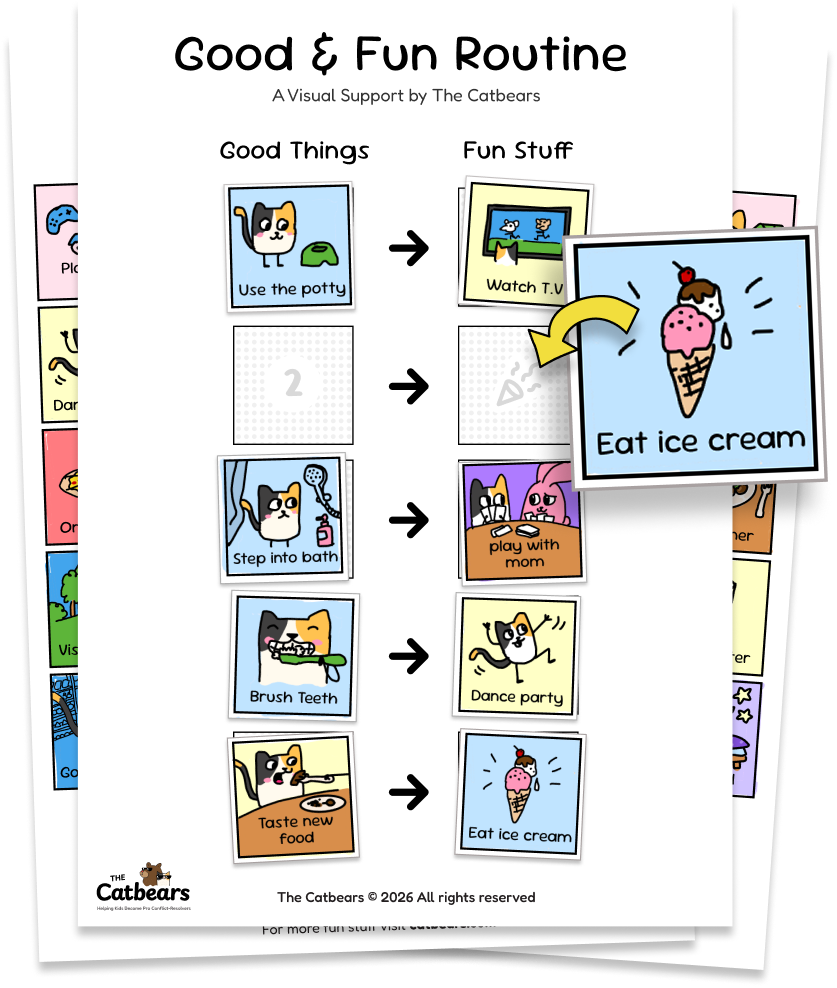

Most chore battles are really about unclear sequencing and too many verbal reminders. A visual flow makes the routine concrete, predictable, and easier to start.
Chores: First and Then
- Pick your cards: choose a chore for now and a small reward for after
- Follow the arrows: finish the chore to unlock the fun
- Mark it done: move the card or give a quick check when it’s complete
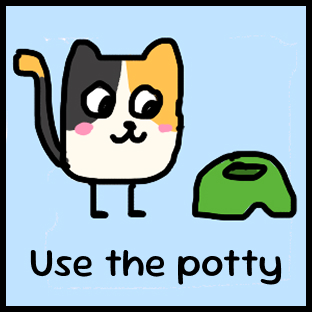 Chore
Chore 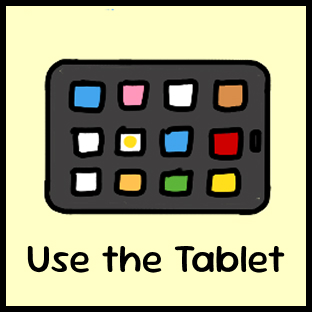 Reward
 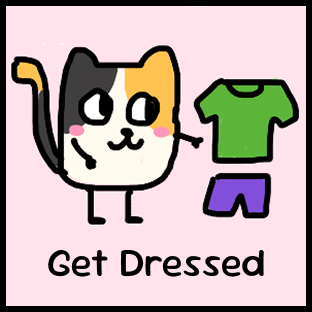 Chore
Chore 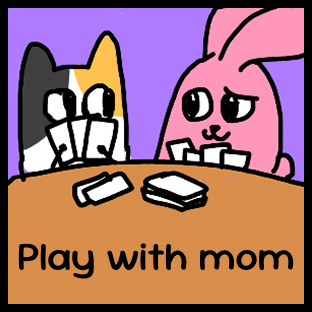 Reward
 Over time you’ll see progress
Kids start initiating chores with fewer prompts, because the next step is always visible and the finish line is clear.
A chores chart is not just compliance. It’s a simple system for building responsibility and independence at home.
How to Use:
- Cut out the chore and reward cards
- Tape your weekly chores flow together
- Follow the arrows and mark each step done
Stories and games that offer original, captivating approaches to resolving conflict and building inclusive, unifying dialogue.

A kids chores chart is a simple visual tool that shows which chores a child needs to do and in what order. It reduces reminders by keeping expectations visible in one place.
Print the PDF, pick a few chores and a small reward, and place them in a simple first-then flow. Kids complete the chore, then move to the reward, and repeat.
It works best for preschool through elementary ages, especially when kids benefit from visual cues instead of multi-step verbal instructions.
Five steps keeps the routine short enough to finish, but long enough to cover a real sequence like a morning reset or an after-school tidy.
Small rewards help kids start. Over time, the routine becomes easier and the reward can be reduced or replaced with simple recognition and consistency.
Yes. It’s a free printable resource for home and school use.
The Catbears is an EdTech initiative founded by therapists and educators. We translate practical family routines into simple tools children actually use, developed in collaboration with SLPs and OTs.