Season 1

Interactive social-emotional learning shows for kids

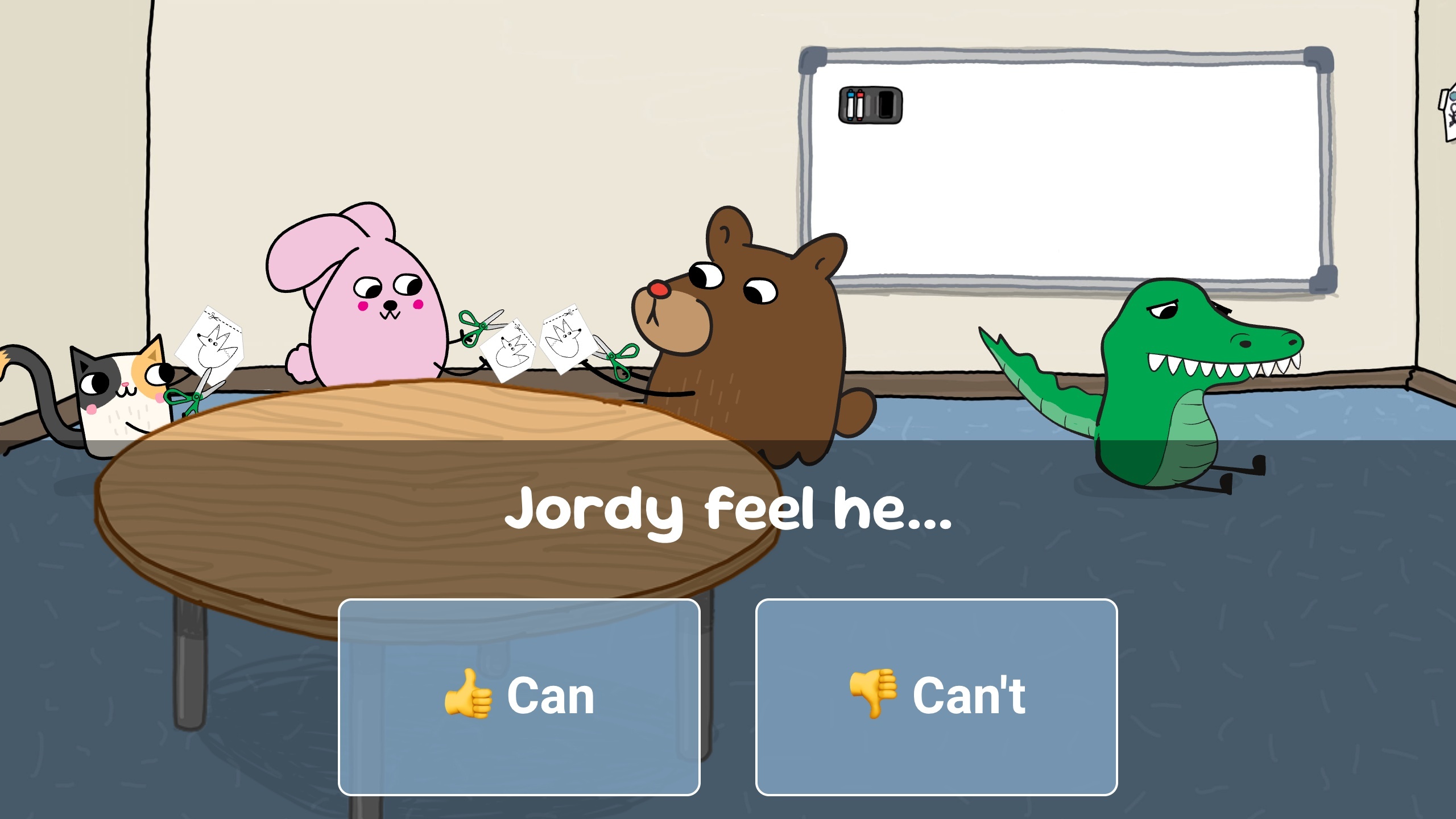
These are not shows kids sit back and watch. At each turning point the story stops and the kids decide what the character does next. They pick, they see what happens, and they live with the result. It plays like a small conflict resolution simulator, safe enough to get it wrong and try again.

Think of a show kids already love, the kind they quote at dinner, then hand them the wheel. Same characters they get attached to, same short episodes, but now the social and emotional skill is something they practice instead of something they only watch.

Every episode takes one real moment from a kid's day, a fight over what's fair, the urge to give up, a feeling they can't name, and turns it into a story they help write.
How the interactive shows work

Press play and an episode starts like any cartoon. Then it pauses and asks a question: what should the character do now? Kids choose. The story branches, shows the result of that choice, good or rough, and keeps going. Because the kids drove it, the lesson is theirs, not a line an adult told them. One child can play it on a tablet, or a whole class can vote on the big screen.

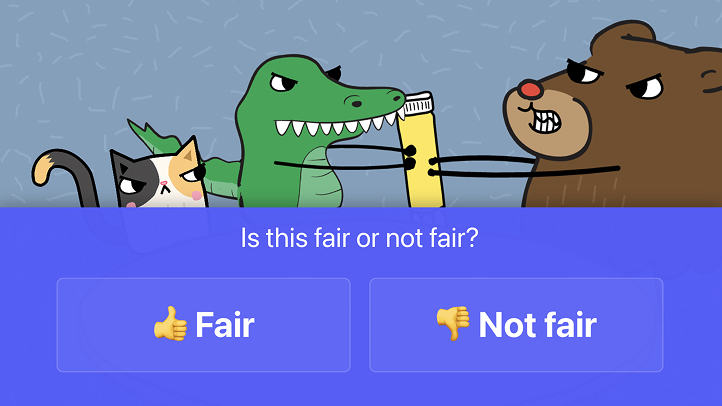
Two Catbears characters caught in an everyday disagreement over what is fair, the kind of moment the shows turn into a story kids help solve

For parents: screen time that builds social skills

If your kid is going to watch something, it can be something that gives back. These episodes work on the everyday social skills for kids that are hard to teach in the heat of the moment: sharing, calming down, sticking with a hard thing, seeing another kid's side. Watch together and you get a calm way to talk about big feelings later, with a character to point to instead of a lecture. It runs in any browser, free, with no ads.

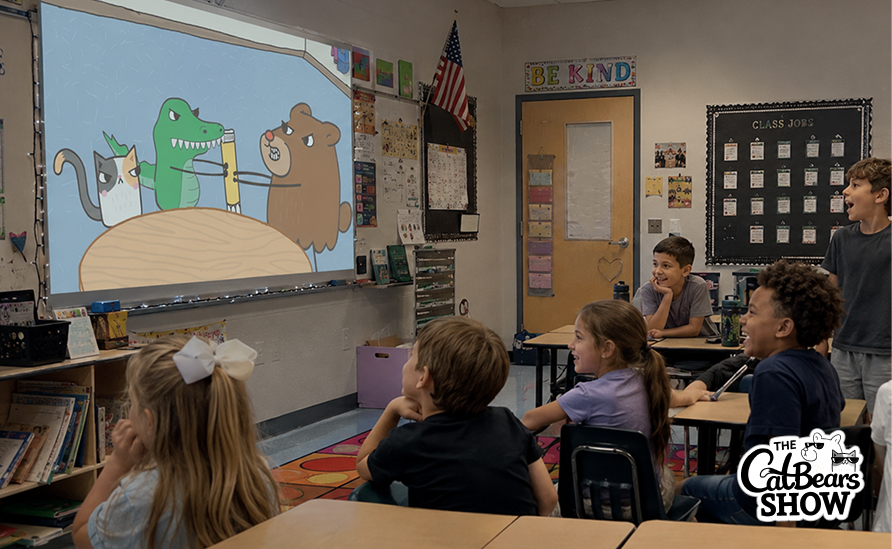
A class of young kids watching a Catbears interactive show on the board while the teacher leads the discussion

For teachers: social-emotional learning activities for the classroom

Open an episode on the smartboard at morning meeting or as a warm-up. The class watches, votes on what the character should do, and sees each choice play out. You get a whole room ready to talk, and a shared story to come back to all week. Each one works as a stand-alone social-emotional learning activity for kids roughly ages 4 to 8, with no prep.

A single Catbears character facing a tricky moment alone, the kind of scenario a child can rehearse one on one

For therapists and special education: interactive social stories

Social stories work because a child rehearses a tricky situation before facing it for real. These episodes do the same, with one difference: the child makes the choice and watches it land, instead of only reading along. That makes them a good fit for one-on-one sessions and for kids who learn social skills best through clear, repeatable scenarios, including many autistic kids. Pause on any choice and talk it through at the child's pace.

A Catbears episode after a choice, playing out what happens so kids see the result of their decision

About Catbears

Catbears makes interactive shows that help kids get good at the hard parts of being a kid, starting young. Each episode takes a real moment kids run into and gives the grown-up in the room a simple way to talk about it. New episodes join the seasons above as they are ready.

Questions parents, teachers, and therapists ask

They look like a normal cartoon, but the story stops at key moments and asks the kids what the character should do. The kids choose, and the episode shows what happens next. Instead of watching a lesson, they make the decisions and see the results, which is why it sticks.

A regular show is the same every time and the kids just watch. Here the kids steer it. Each choice changes what happens, so the same episode can go a few different ways, and the social or emotional skill becomes something they practice rather than something they are told.

That is the whole point of them. Every episode is built around one social-emotional learning skill: handling a fight over fairness, calming down, not giving up, naming a feeling. Kids work through it by choosing, which is closer to how they actually learn it.

Yes. Put an episode on the board at morning meeting or before a tricky activity. The class votes on what the character should do, and you pause to ask why each choice works or does not. They run well as stand-alone social-emotional learning activities for kids about ages 4 to 8.

Yes. They work like interactive social stories: a clear scenario a child can rehearse safely before meeting it for real. Many therapists and special education teachers use social stories with kids who learn social skills best from concrete, repeatable situations, including autistic kids. You can pause on any choice and go at the child's pace.

They work best for ages 4 to 8. Episodes are short and the choices are clear, so younger kids stay with it, while older kids enjoy arguing about why a choice did or did not work.

They are free. No account, no app to install, no ads. Every episode runs in any browser on a phone, tablet, or computer.