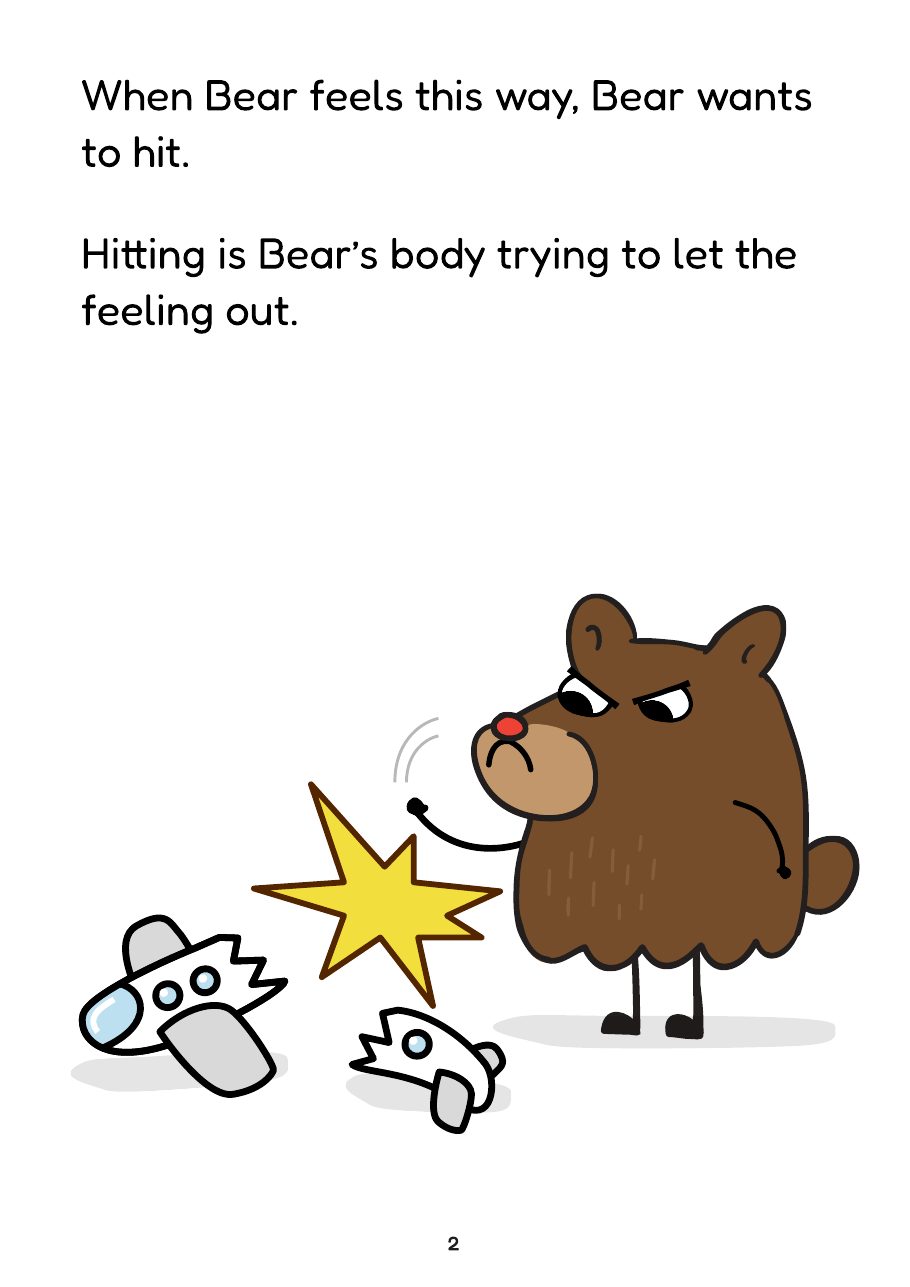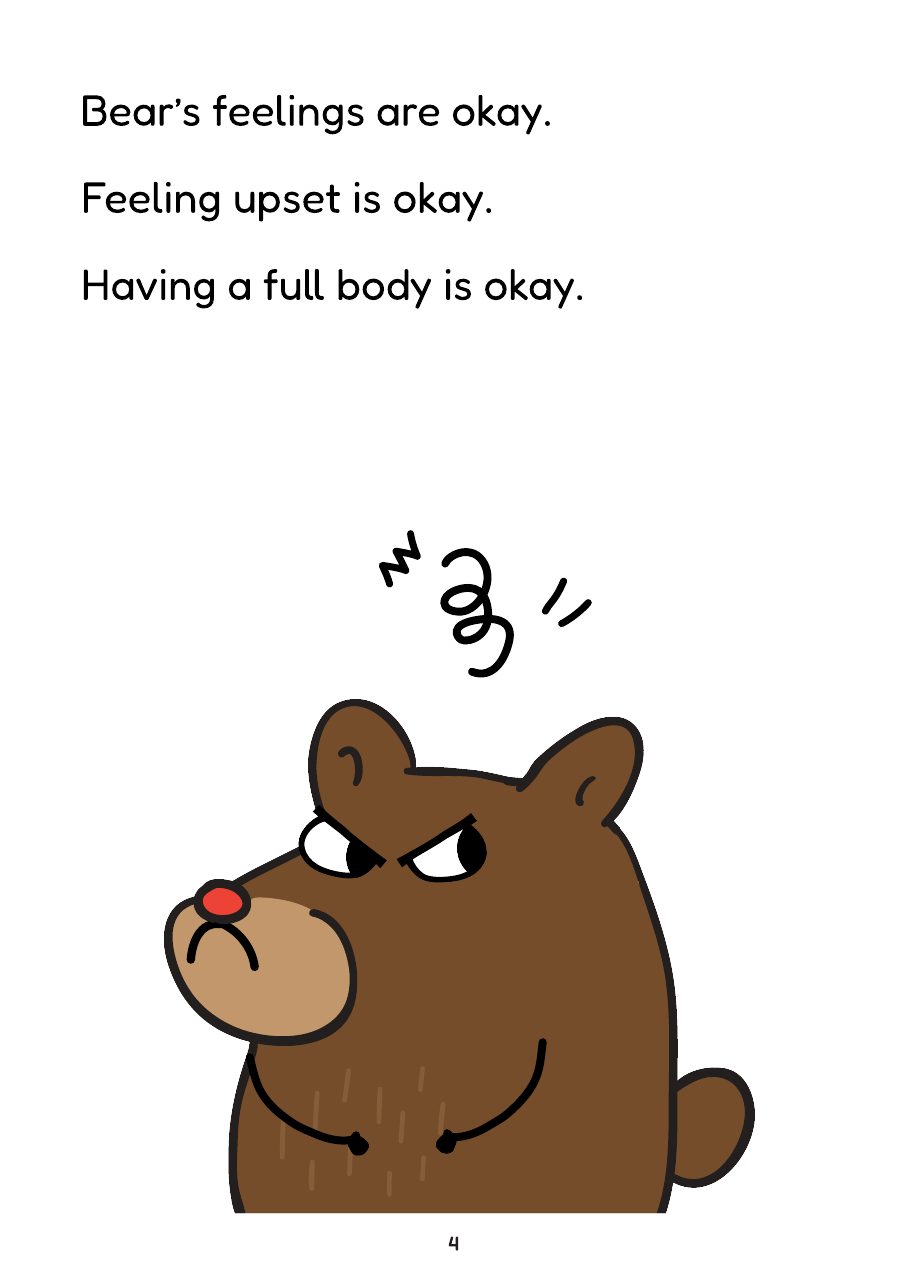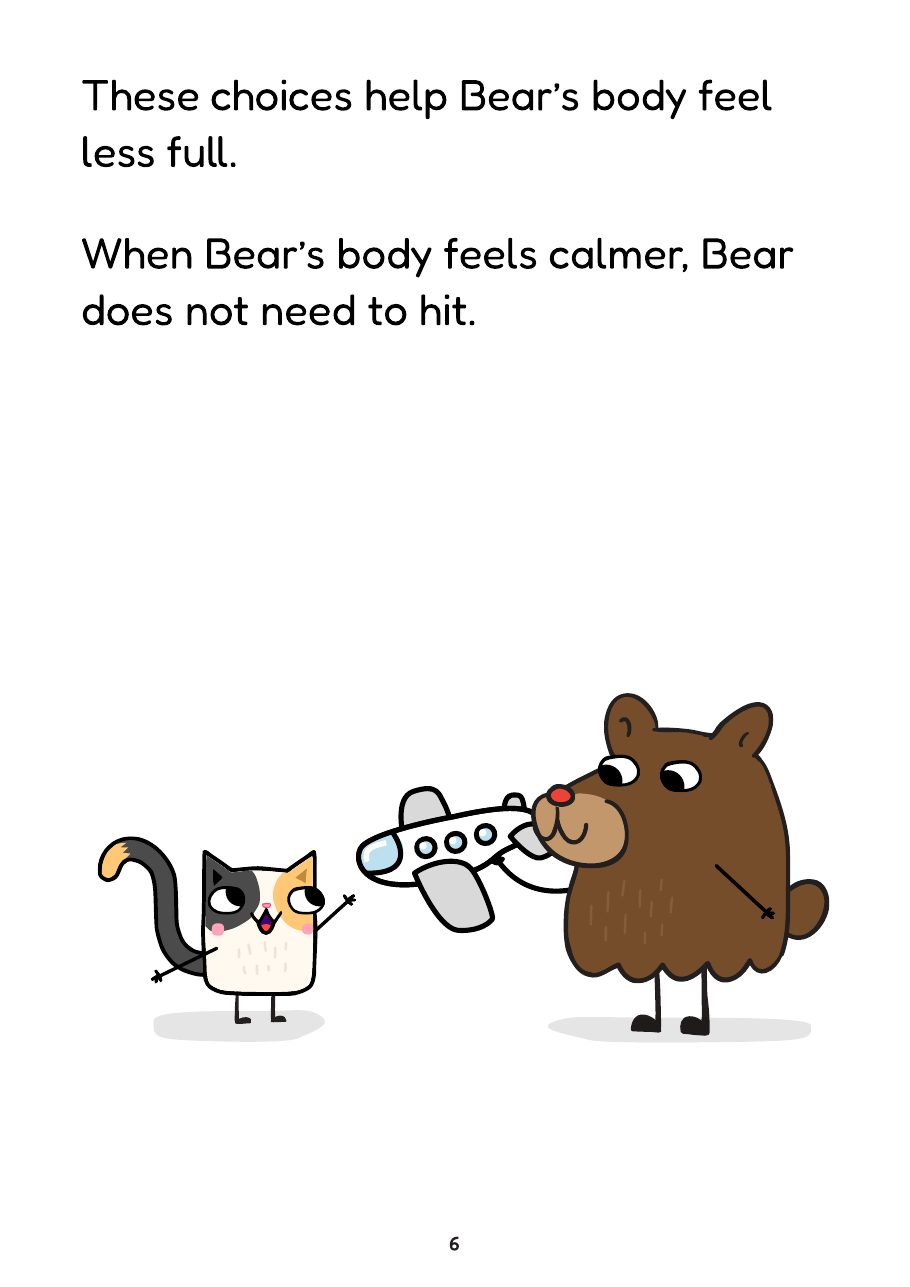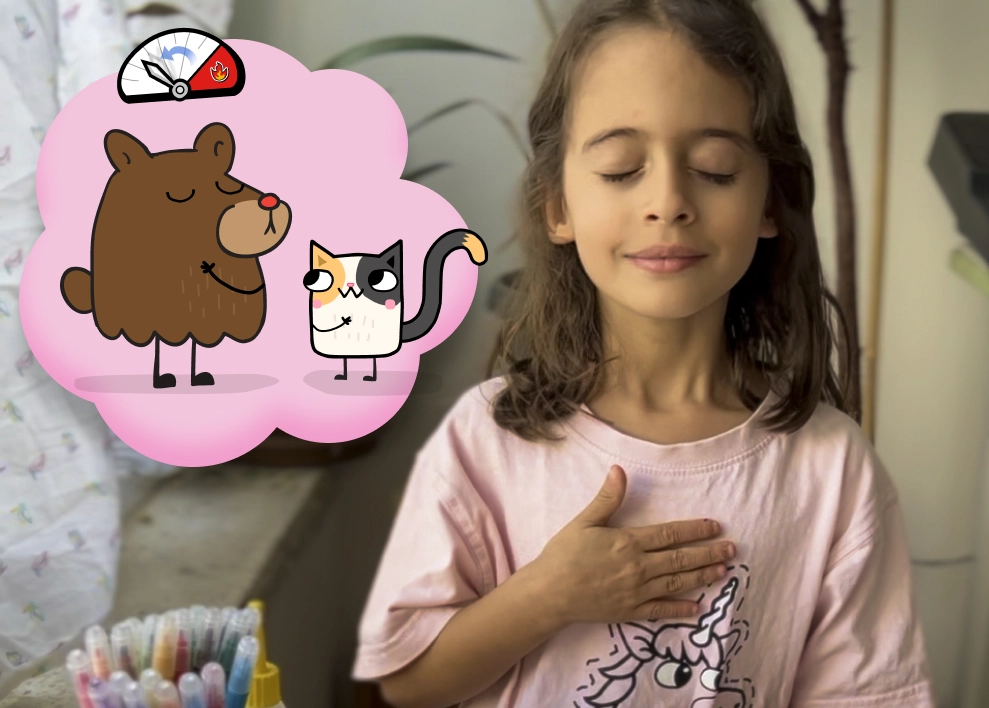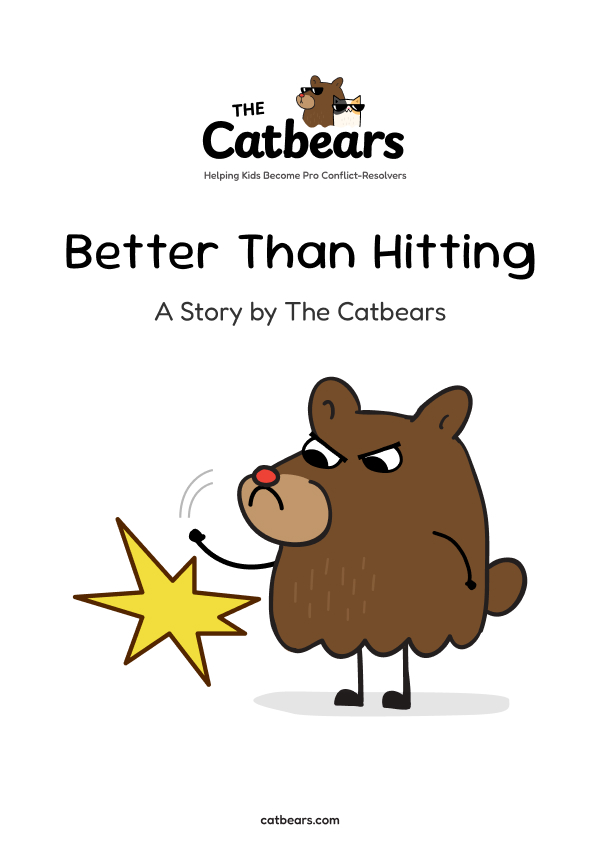
When autistic children hit, it's often because they're overwhelmed and need visual guidance on safe ways to express big feelings.
This isn't just a story. It's a practice.
- Children learn to notice feelings before hitting
- They practice safe alternatives while calm
- They build better responses for challenging moments
Squeezing
Stomping
Breathing
Asking for help Over time you'll see progress
Children learn to recognize their feelings and choose safe alternatives instead of hitting.
Learning safe ways to handle big feelings is an essential skill for all children.

How to Use:
- Print or open on tablet
- Read together during calm moments
- Use before or after challenging situations
Resources for stopping autistic child from hitting
Find how to stop autistic child from hitting others, autism hitting behavior support, and social stories for autistic children learning gentle hands and safe alternatives.
Content and play worlds that offer, in an original and captivating way, solutions to conflicts and an inclusive, unifying dialogue.

A visual social story can help autistic children understand why hitting happens and what to do instead. This story teaches gentle hands, recognizing big feelings, and using safe alternatives like squeezing, breathing, or asking for help. Read it together regularly during calm moments to help your child learn better responses.
Autistic children may hit when they're overwhelmed, frustrated, or unable to communicate their needs. It's often a response to sensory overload, difficulty with transitions, or challenges expressing emotions. A social story helps them understand these feelings and provides visual guidance on safer alternatives.
This story is designed for children aged 2 to 7, including autistic children who benefit from visual supports. The simple language and clear visuals work well for children who are visual learners and need concrete examples of safe behavior.
Visual supports like social stories provide concrete, predictable guidance that autistic children can reference repeatedly. Unlike verbal instructions that can be overwhelming, visual stories stay consistent and help children understand expectations and safe alternatives to hitting.
Yes. This PDF is completely free for parents, teachers, and therapists working with autistic children. It's part of The Catbears mission to support all children in developing essential social skills.
Read the story once daily during calm moments for at least a week. Consistent repetition helps autistic children internalize the concepts. Use it proactively before challenging situations and review it after incidents to reinforce the safe alternatives.
Stay calm and ensure safety first. After the moment passes, use the social story to review what happened and what safe alternatives were available. The story helps shift from reactive responses to proactive teaching, giving your child visual tools they can use before hitting occurs.
The Catbears is an EdTech initiative founded by therapists, educators, and designers. This story was developed in collaboration with speech therapists (SLPs), occupational therapists (OTs), and teachers who work with autistic children daily.