Sozial-emotionale Lernaktivitäten für Kinder
SEL-Aktivitäten für Kinder, die Selbstvertrauen, emotionale Regulation, Kompetenzgefühl, Kommunikation und das Miteinander fördern — durch spielerische, lustige und druckfreie Aktivitäten.
5 Min SEL schauen
Soziale Fähigkeit üben
SEL-Aktivitäten für Kinder
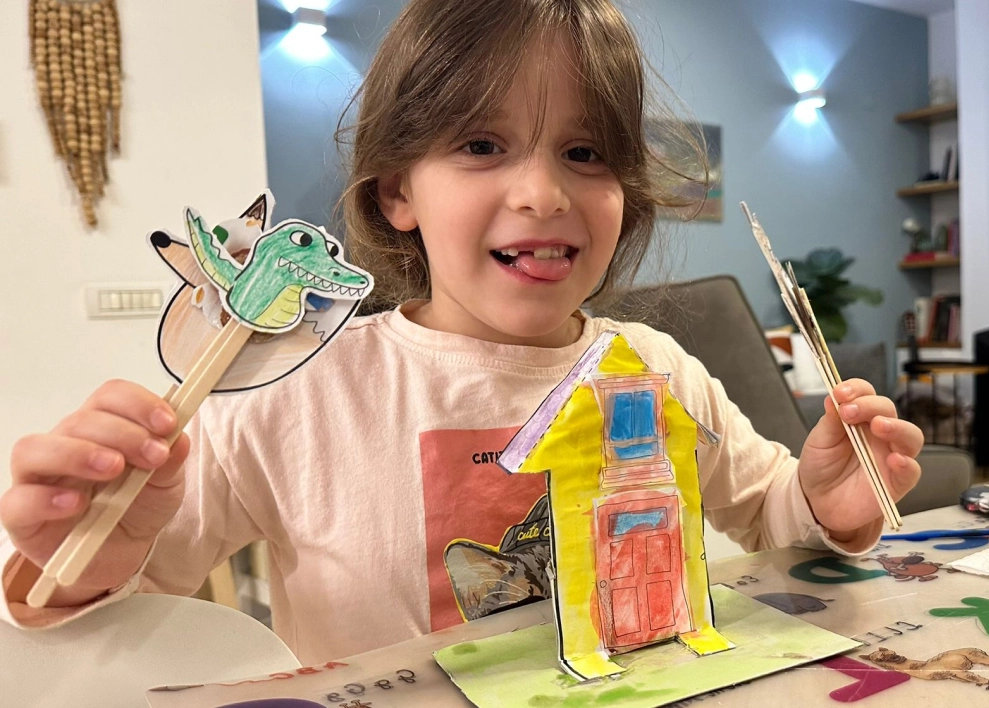
Eine Stabpuppe basteln
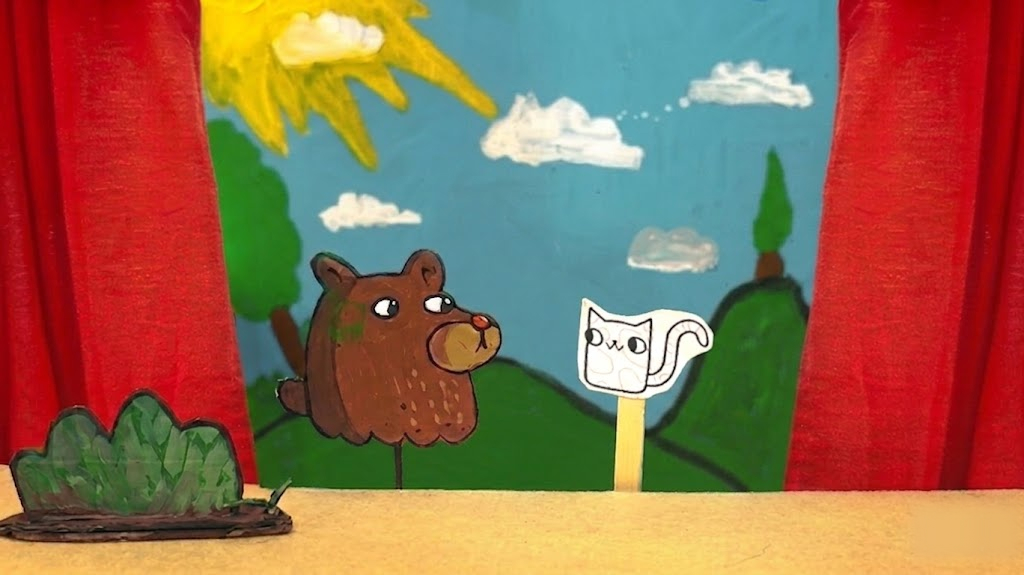
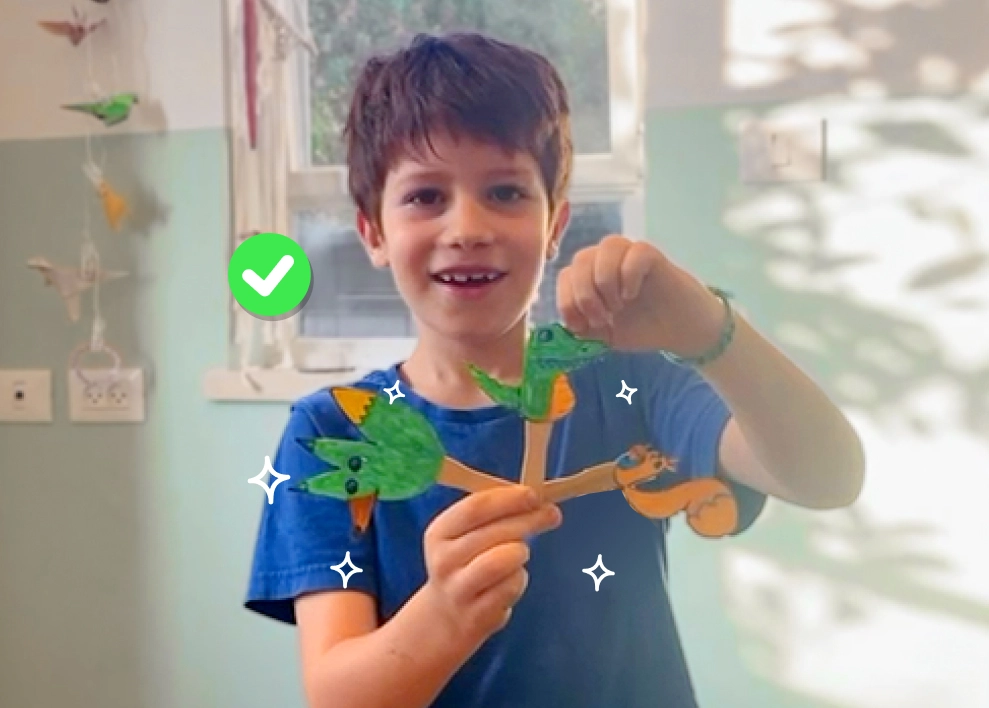
Ein lustiges Bastelprojekt für Kinder: Bastelt eine Stabpuppe von eurem Lieblingstier. Wählt ein Tier, klebt es auf Karton, schneidet es aus, befestigt einen Stab und malt es an für eure eigene Puppenshow.
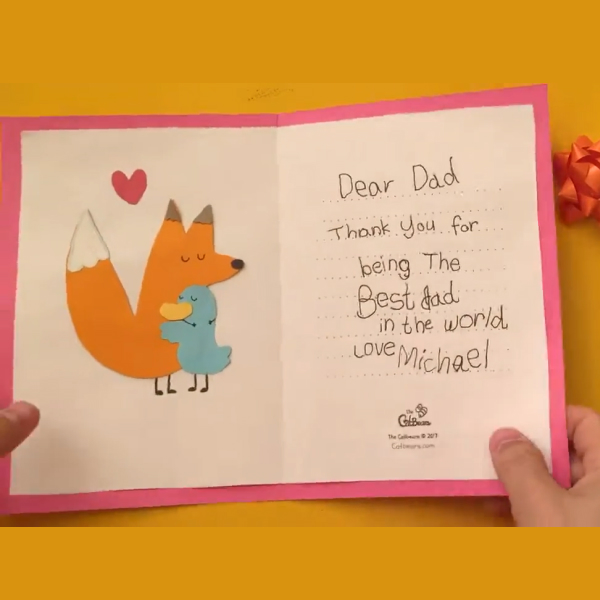
Grußkarte für jemanden, den du liebst – Kreative Aktivität
Eine besondere Karte für eine besondere Person. Gestalte eine persönliche Grußkarte für jemanden, den du liebst. Das kann ein Elternteil, ein Großelternteil oder ein enger Freund sein.
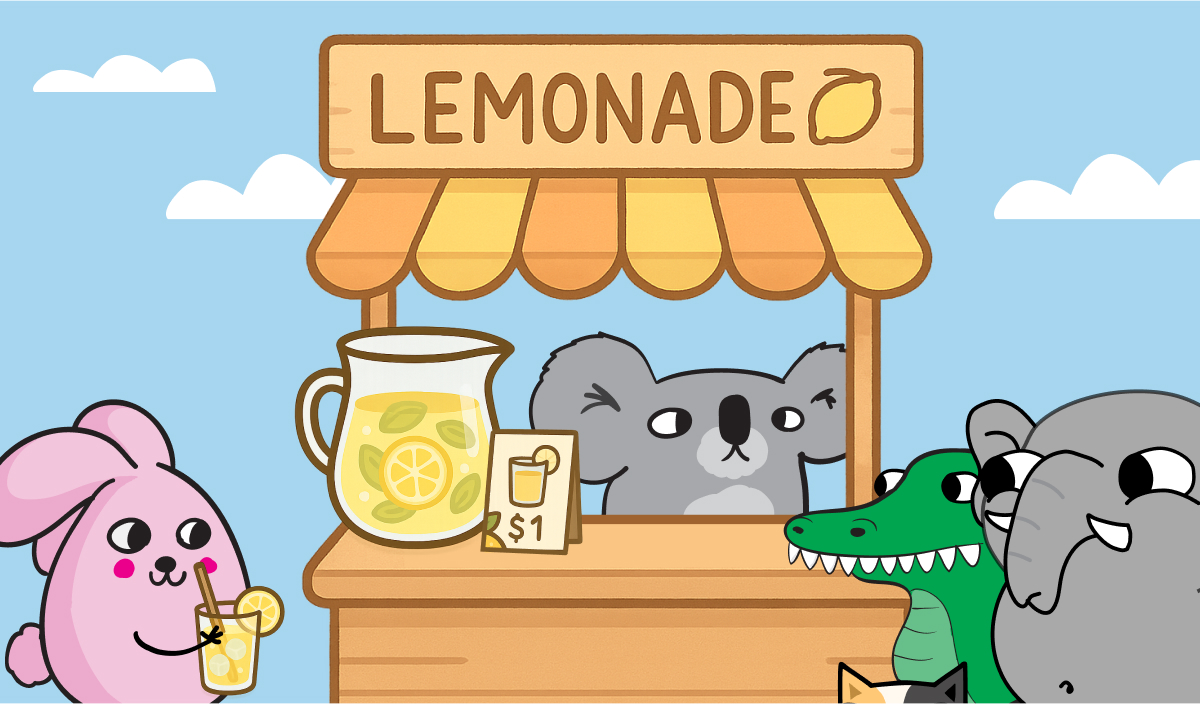
Die leckerste Limonade der Welt
Eine erfrischende Aktivität für Kinder: Macht gemeinsam süße, köstliche Limonade mit der ganzen Familie. Lernt Teamarbeit und genießt das perfekte Sommergetränk.

Was sind SEL-Aktivitäten?
SEL steht für sozial-emotionales Lernen (Social and Emotional Learning). SEL-Aktivitäten sind Spiele, Basteleien und Projekte, die Kindern helfen, fünf Kernkompetenzen zu üben: ihre Gefühle kennen, diese Gefühle managen, andere verstehen, Freundschaften aufbauen und durchdachte Entscheidungen treffen.
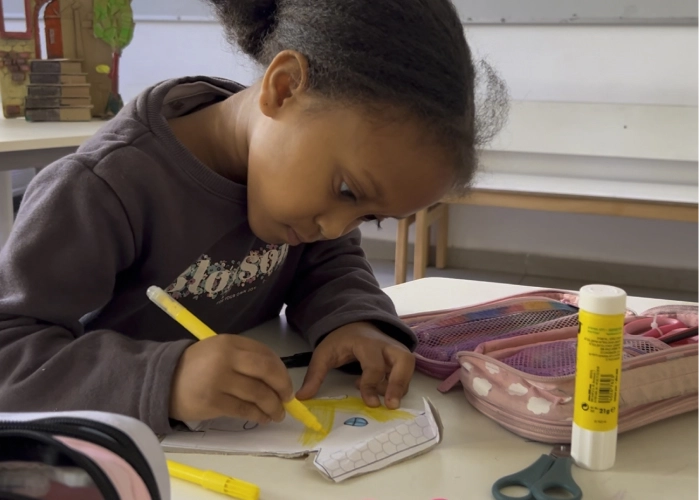
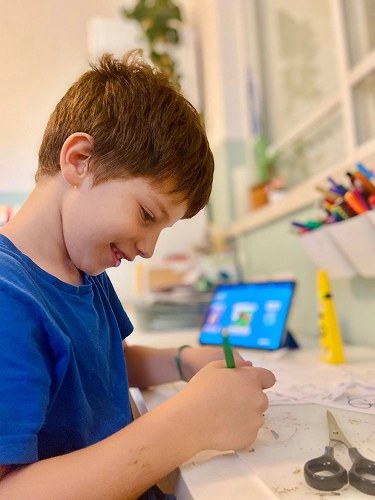
Statt Vorträgen oder Arbeitsblättern lernen Kinder durch Handeln. Sie machen etwas mit ihren Händen, erleben einen echten Moment der Frustration, des Teilens oder Wartens und üben die Fähigkeit genau dann, mit Unterstützung.
Wie wir unsere SEL-Aktivitäten erstellen
Jede Aktivität beginnt mit einem realen Moment, den wir vorhersagen können. Ein Bastelprojekt, bei dem jemand warten muss, bis der Kleber trocknet. Ein Spiel, bei dem ein Kind die Regeln ändern möchte. Wir gestalten die Aktivität so, dass dieser Moment absichtlich auftritt, und bauen dann die Unterstützung ein, um Kindern durchzuhelfen.
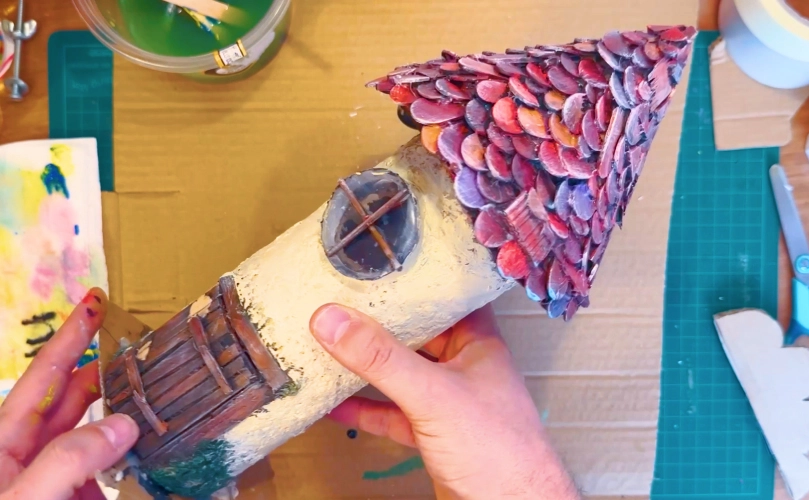
Jede Aktivität wird in Klassenzimmern und Therapiegruppen getestet, bevor sie veröffentlicht wird, und mit Feedback von Pädagogen und Therapeuten geformt. Das Basteln ist nur der Behälter. Die Fähigkeit ist der Punkt.
Wie es funktioniert
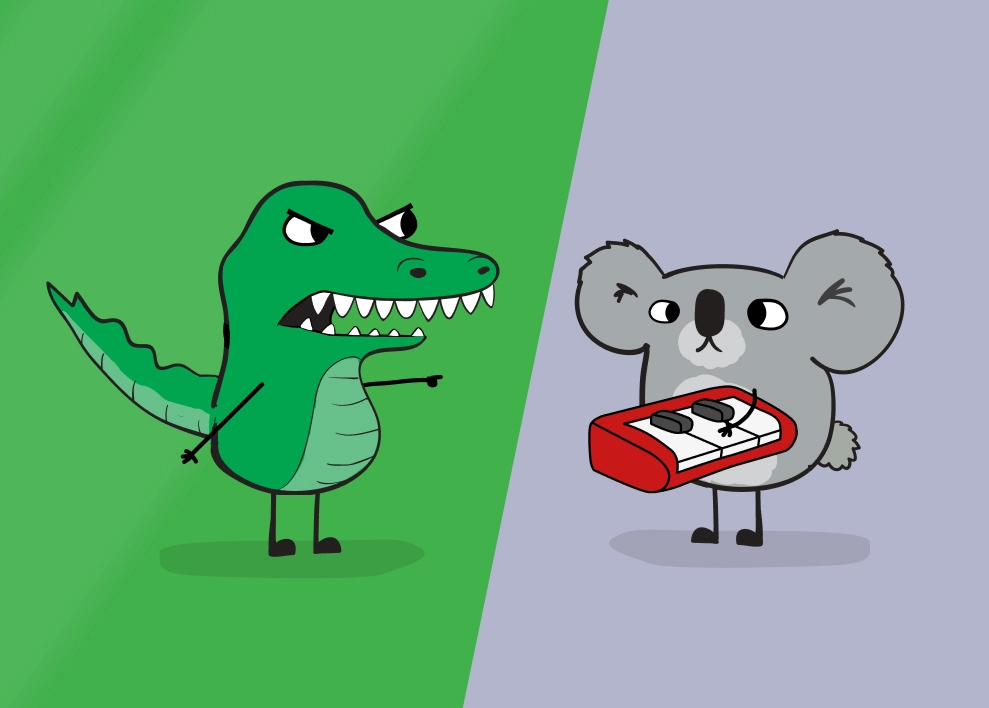
Meek der Koala erklärt und zeigt in einem kurzen Video, wie Catbears funktioniert.
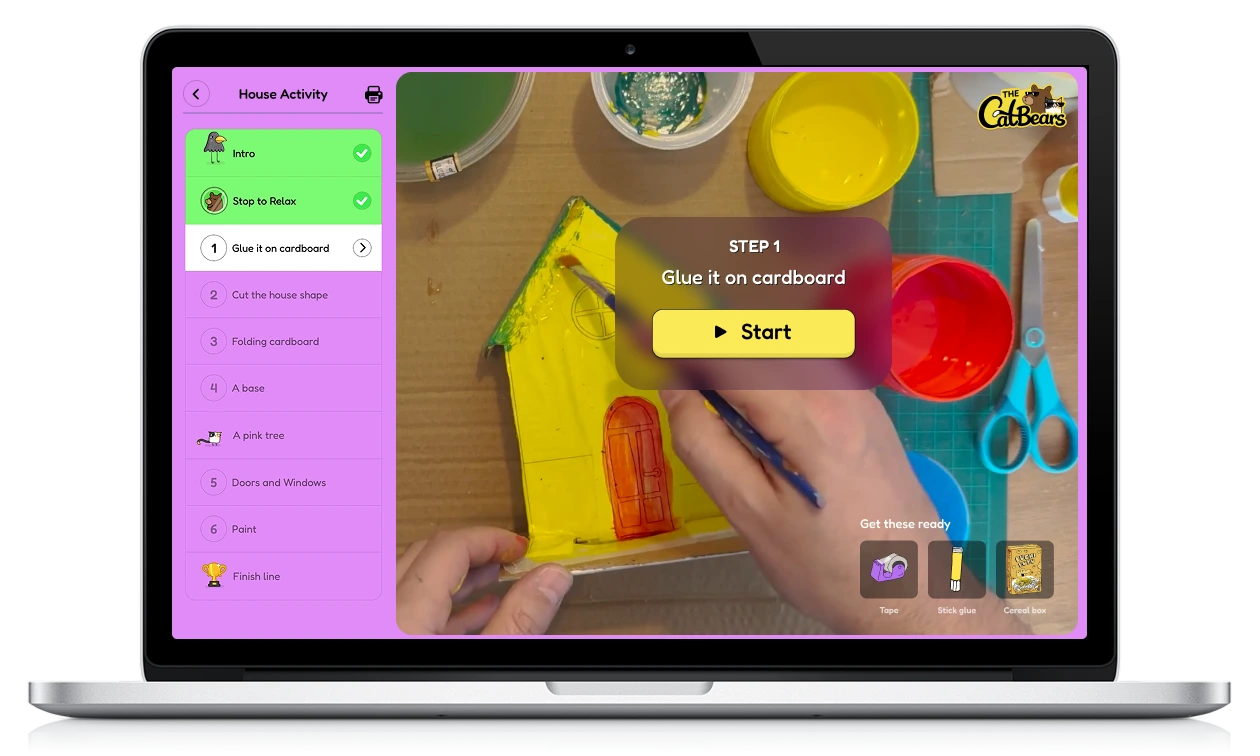
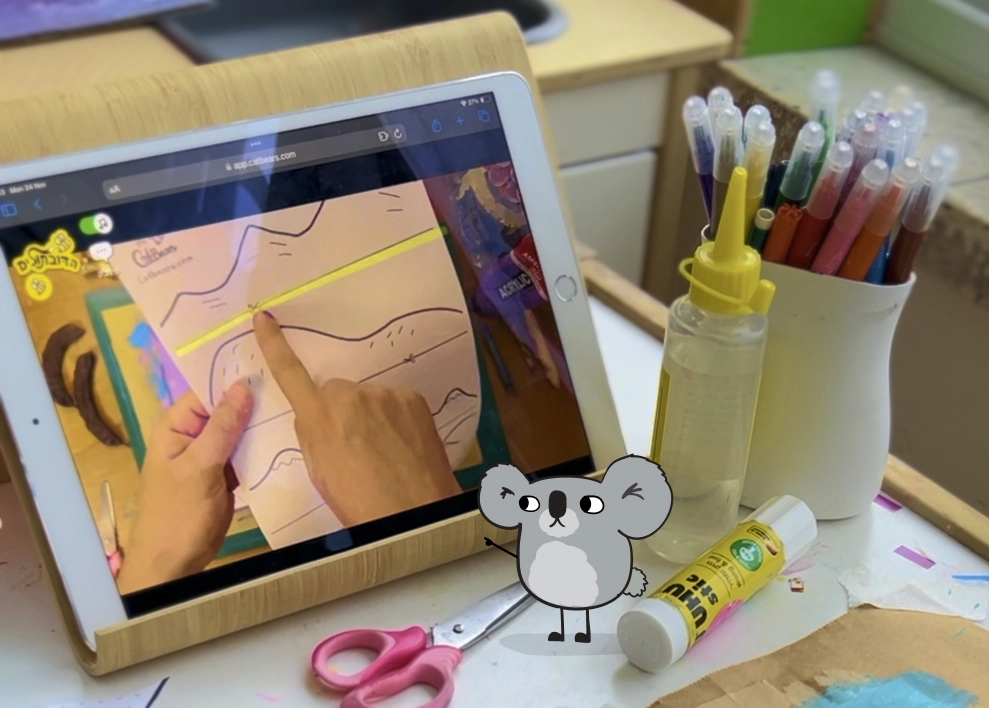
Schritt für Schritt gestalten
Die Kinder arbeiten selbstständig, während die App sie mit kurzen, klaren Videos Schritt für Schritt anleitet — so können Sie unterstützen und die wichtigen Fähigkeiten üben: soziale/emotionale Kompetenzen und Teamarbeit.
Kreative Projekte für Kinder mit Haushaltsmaterialien
Die App ist voller kreativer Ideen für Kinder im Vorschul- und Grundschulalter. Die Aktivitäten eignen sich zu Hause, in der Schule oder im Kindergarten. Einfach öffnen und loslegen.

Umweltfreundlich
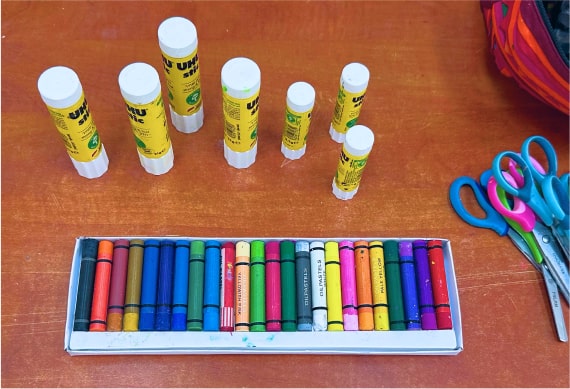
Kleber, Schere, Farben, Kartons und Papiertüten. Wir fördern die Verwendung von Recyclingmaterialien, um das Umweltbewusstsein der Kinder zu stärken.

Sichere Werkzeuge für Kinder
Die Projekte verwenden kinderfreundliche Materialien und Werkzeuge – keine Heißklebepistolen oder Cuttermesser, damit jedes Kind sicher basteln kann.
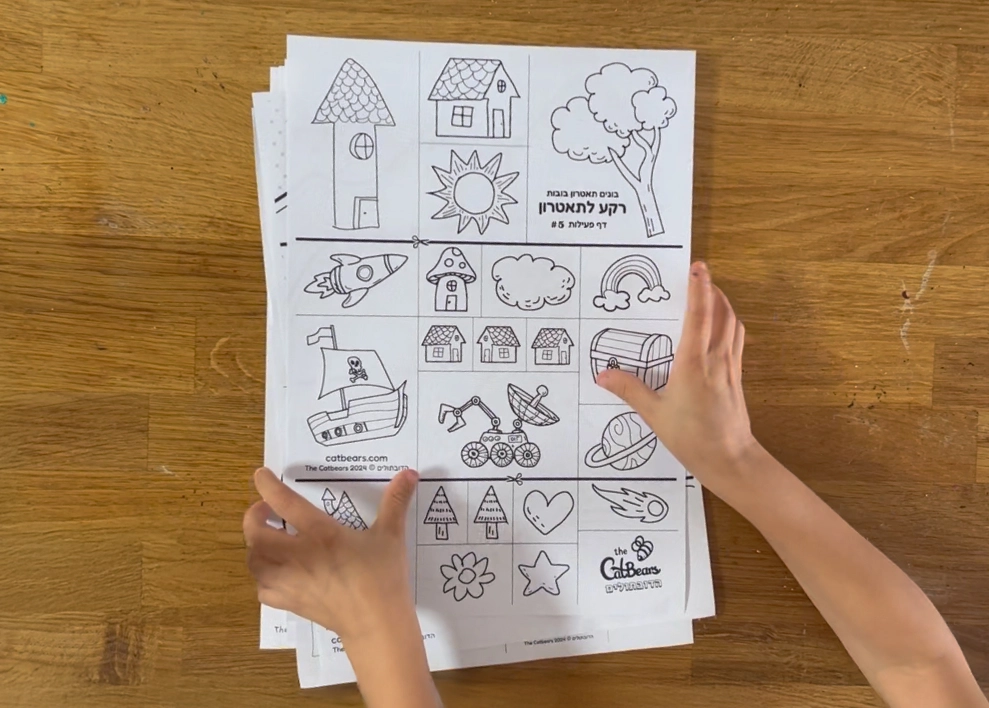
Ausdruckbare Aktivitätsseiten
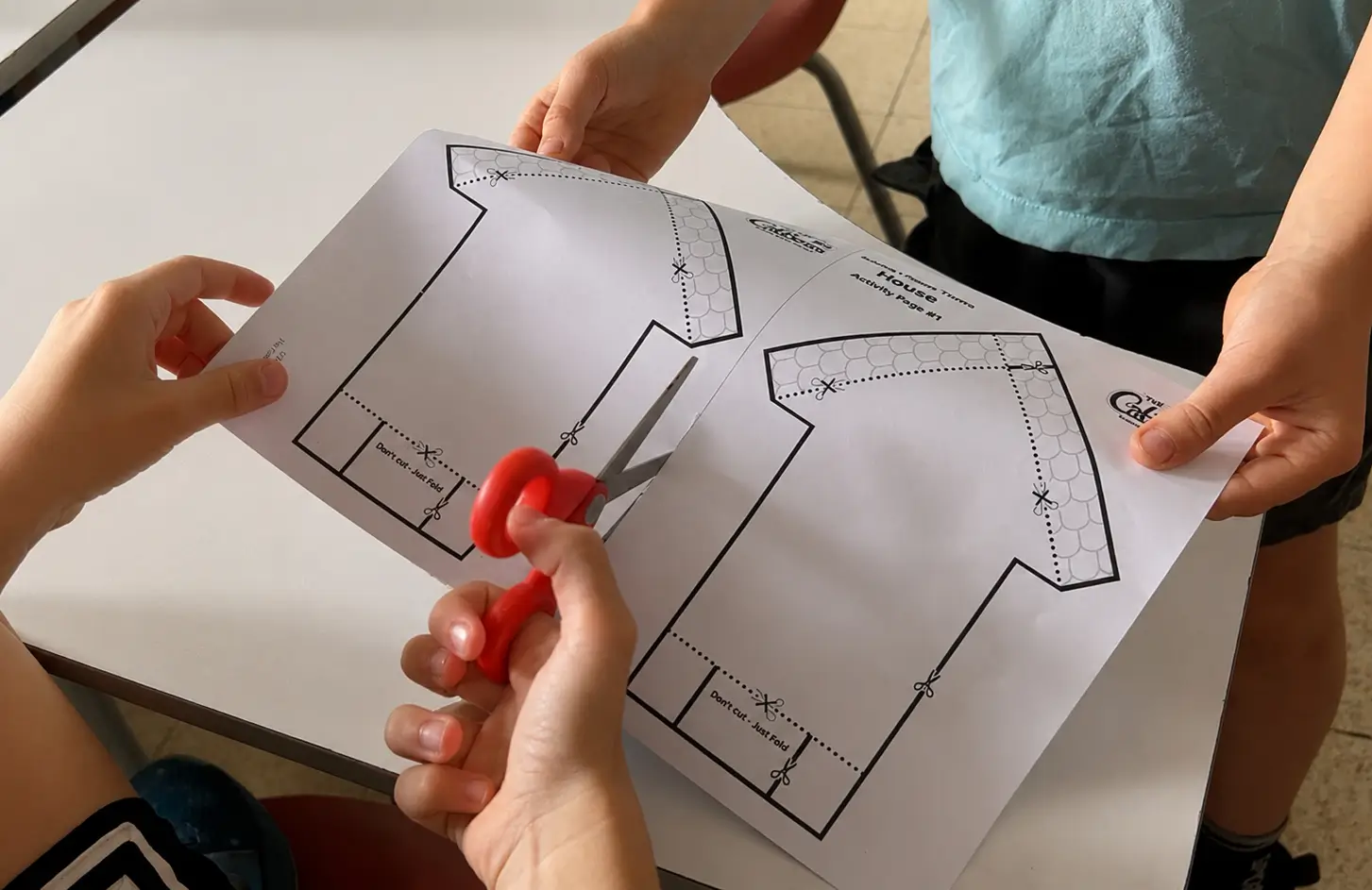
Die Projekte enthalten ausdruckbare Aktivitätsseiten. Einfach mit jedem Haushaltsdrucker im A4-Format, schwarz-weiß, ausdrucken.
Warum Kinder die Catbears‑Aktivitäten lieben
"Als Sprachtherapeutin ist The Catbears ein erstaunliches Werkzeug für die emotionale Therapie von Kindern. Die präzise Struktur und die Videos sparen mir wertvolle operative Zeit und ermöglichen es mir, zur Sitzung zu kommen, wenn ich mich auf das Kind konzentriere und nicht auf die Vorbereitungen. Ich kombiniere kreative Ideen für Kinder und Achtsamkeit, um Themen wie emotionale Intelligenz oder soziale Ängste auf natürliche und lustige Weise anzusprechen. Zu wissen, dass ich fertige kreative Aktivitäten für Kinder für jede Phase habe, von der Kreation für 3–4‑Jährige bis hin zu kreativen Arbeiten für 6‑Jährige, ermöglicht es mir, all meine Energie in das zu investieren, was am wichtigsten ist: die therapeutische Beziehung und den offenen Dialog."
Häufige Fragen
Die Catbears sind ein Bildungssystem, das darauf ausgelegt ist, die nächste Generation professioneller Konfliktlöser zu stärken. Wir bieten Eltern und Pädagogen visuelle Toolkits, soziale Narrative und digitale Tools, die komplexe soziale Grenzen in unterhaltsame, überschaubare Lektionen verwandeln. Durch die Verflechtung des sozial-emotionalen Lernens (SEL) in kreative Bastelprojekte helfen wir Kindern, "große Gefühle" und tägliche soziale Herausforderungen mit Selbstvertrauen zu bewältigen.
Sehr wenig. Bereitet die Bastelmaterialien vor, die in jedem Haushalt vorhanden sind - Marker, Kleber, Scheren, Müslischachtel usw., druckt die Aktivitätsseiten und drückt Play. Die Catbears führen die Aktivität selbst durch kurze, klare Videos. Die Rolle des Erwachsenen ist es, zu beaufsichtigen und die Kinder zu ermutigen, die sozialen Fähigkeiten zu nutzen, die in der Aktivität gelernt wurden.
Bei Catbears generieren kreative Aktivitäten sozialen Wandel. Jede Aktivität kombiniert geführtes Schaffen mit der Entwicklung sozial-emotionaler Fähigkeiten und wird nach umfangreichen Feldtests in einer genehmigten Workshop des Bildungsministeriums erstellt.
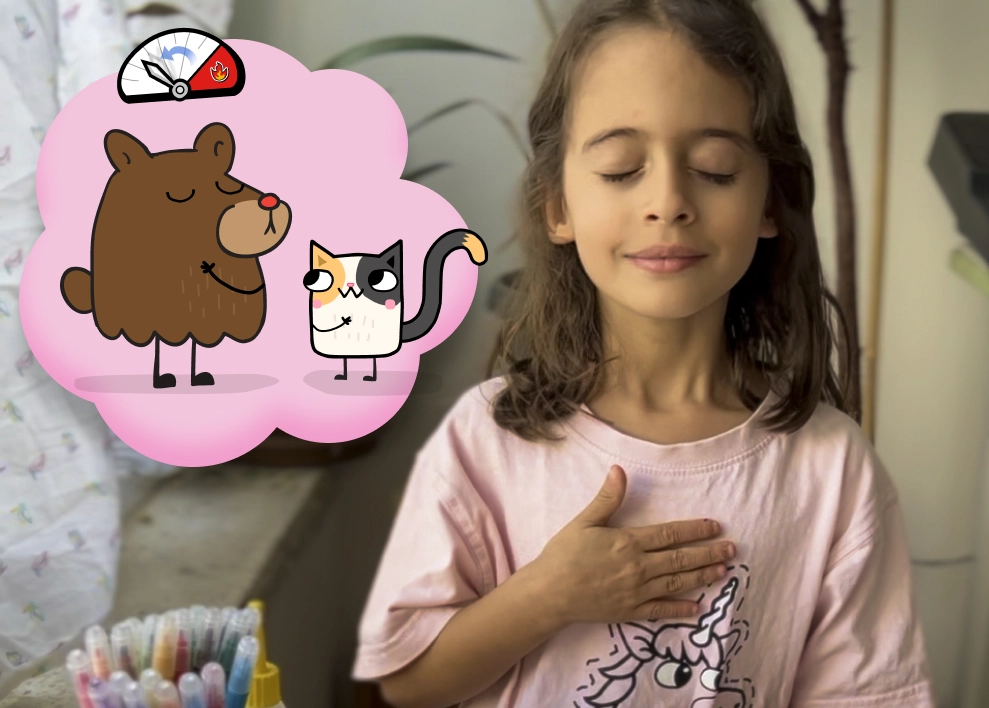
Das Prinzip von Catbears ist es, die natürlichen Momente der Frustration zu nutzen, die während des Schaffens auftreten, als perfekte Umgebung für sozial-emotionales Lernen. In jeder Aktivität lernen Kinder eine andere Fähigkeit, wie zum Beispiel einen Atemzug zu nehmen, um Wut zu beruhigen, wie man einem Freund hilft und wie man Unterschiede akzeptiert.
Die Aktivitäten sind für Kinder im Alter von 3 bis 12 Jahren geeignet und funktionieren ausgezeichnet zu Hause mit Geschwistern und Freunden, in Bildungseinrichtungen (kann mit einer Klasse durchgeführt werden, die in kleine Teams aufgeteilt ist) und auch in nicht-formalen Bildungseinrichtungen wie Nachmittagsbetreuung und Gemeindezentren. Sie sind sowohl für Gruppen als auch für Einzelpersonen geeignet - eine ideale Lösung für regnerische Tage, Feiertage und Wochenenden.
Ja. Die erste Aktivität ist kostenlos. Um die folgenden Aktivitäten zu genießen, werden Sie gebeten, ein monatliches oder jährliches Abonnement zu abonnieren, für Zugang zu allen Aktivitäten, Inhalten und Ergänzungen - neue Aktivitäten, die zur Website hinzugefügt werden. Kann jederzeit gekündigt werden.
Der Kurs schafft eine Gruppendynamik, in der Kinder zusammenarbeiten müssen, um Aufgaben zu bewältigen - sie schreiten von Stufe zu Stufe nur voran, wenn alle fertig sind, üben Reihenfolge einhalten, lernen über Hilfe für andere und Zuhören - Grundsteine für Konfliktlösung und Akzeptanz anderer.
Ja. Wir verwenden nur verfügbare und kindersichere Materialien: Papier, dünner Karton, Klebeband, Klebestift, Farben/Marker, Garn und abgerundete Scheren - kein Heißkleber und keine scharfen Werkzeuge.
Es ist viel einfacher, sozial-emotionale Fähigkeiten in der frühen Kindheit zu lehren, als zu versuchen, bestehende Gewohnheiten später im Leben zu ändern. Catbears bietet zugängliche und praktische Werkzeuge, die perfekt für dieses Alter geeignet sind, und ermöglicht es Kindern, eine starke Grundlage sozial-emotionaler Fähigkeiten zu entwickeln, die sie ihr ganzes Leben lang begleiten wird.
Der Kurs stellt sicher, dass kein Kind zurückgelassen wird: Wenn ein Kind zusätzliche Zeit zum Schneiden oder Kleben benötigt (Aufmerksamkeits-/Frustrationsregulation), wartet der Erwachsene, und die anderen Kinder üben Geduld und gegenseitige Hilfe.
Jede Lektion ist in ausgewogene Stufen mit eingebauten Pausepunkten unterteilt. Fortschritt nur, wenn alle Kinder bereit sind. Das System arbeitet nach dem Prinzip "alle zusammen, im individuellen Tempo" - wenn die Kinder bereit sind, geht die Gruppe zur nächsten Stufe über.
Dieses Tempo unterstützt Inklusion und reduziert Frustration sowohl bei schnellen als auch bei geduldigen Kindern. Diese Flexibilität ermöglicht es jedem Kind, das Projekt sicher abzuschließen und stärkt das Gefühl der Fähigkeit.