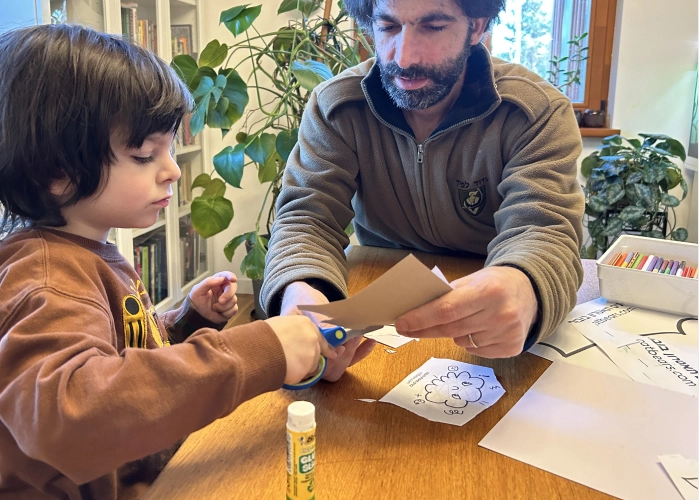
Three year olds are discovering something wonderful: other people.
They might hold onto a crayon for a long time, then suddenly offer their favorite toy to someone they just met. They might feel upset because a friend looked at their paper, then be giggling together five minutes later.
This isn't confusion — it's practice. At three, children are beginning to understand that other people have their own feelings and wishes. The impulse to grab, to have it now, to be first — this is deeply human. It doesn't disappear as we grow older. It becomes higher stakes.
The gift of age three is practicing in small, safe moments. Craft activities create exactly these moments.
6 Simple Crafts for 3 Year Olds
1. The First Shared Resource
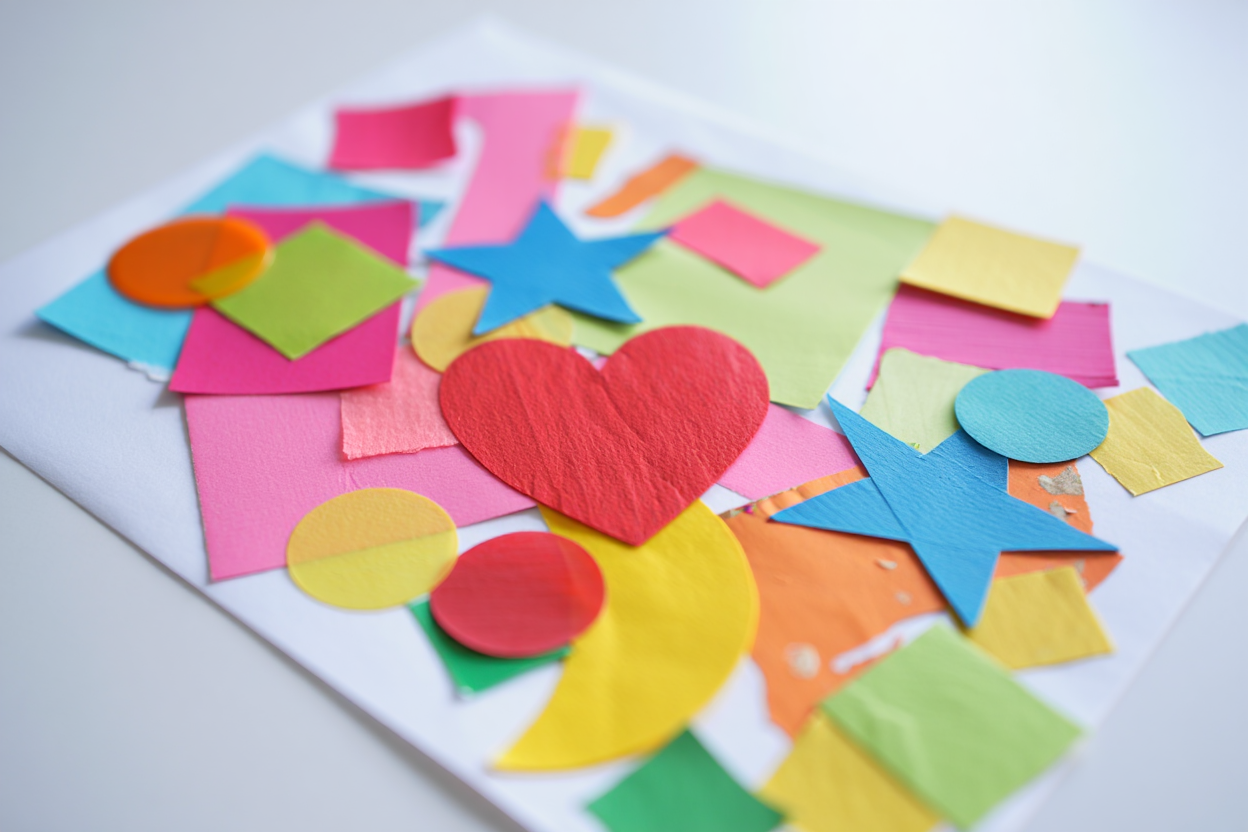
The most basic social challenge: everyone wants the same thing at the same time. We design this with one glue stick in the middle. At three, the impulse to grab is strong. Adults can even say "Let's wait" and watch them struggle to hold back — this reveals something true about how we're all made.
Materials: Paper, things to glue (scraps, stickers), one glue stick
Social-emotional challenges:
- Multiple hands reach for the glue at once. "Lots of people want it. What could we do?"
- A child grabs the glue from another's hand. Stop and address it: "You took it while she was using it. How do you think she feels?"
- Someone holds the glue too long. "Others are waiting. Can you finish your glue turn?"
- Adults can initiate: "Let's wait before anyone touches the glue." Watch who struggles to hold back — then practice together.
2. The Sparkly Sticker Negotiation
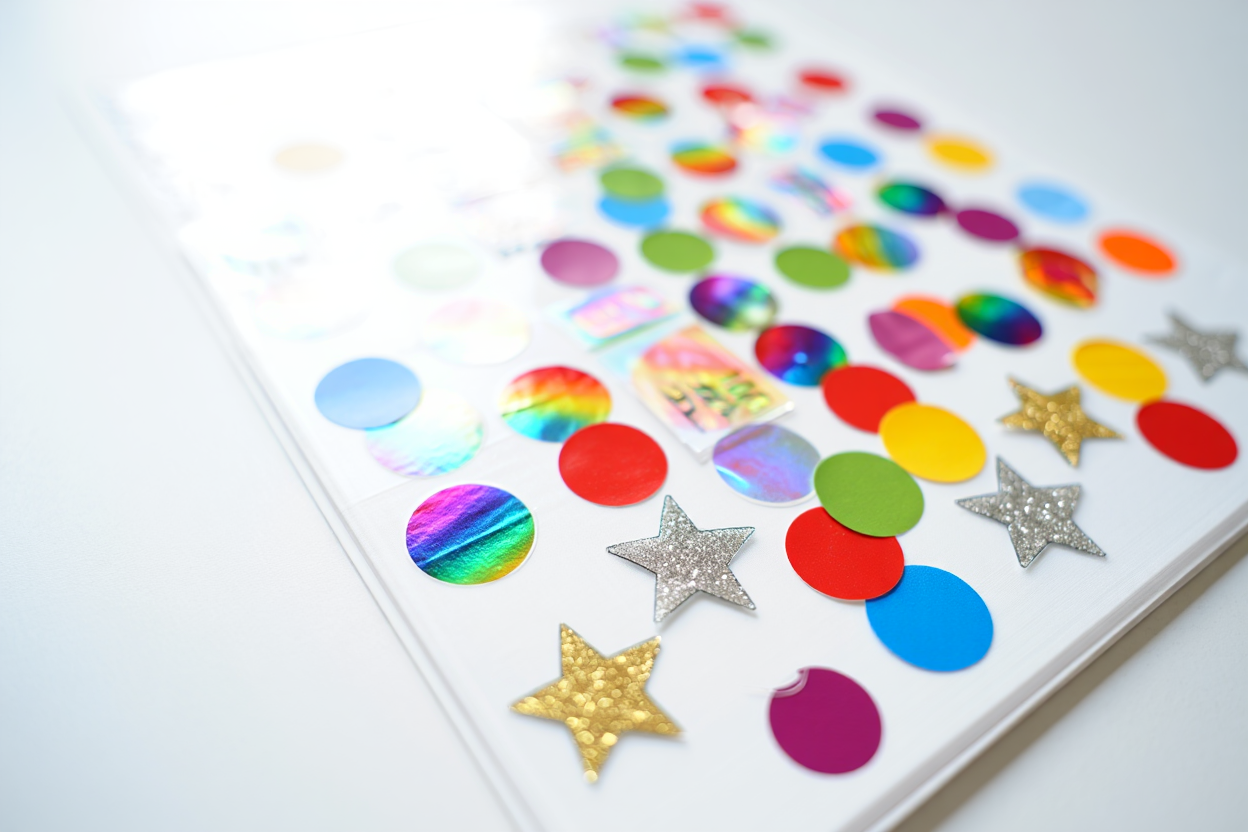
Three year olds love stickers. We include fewer "special" ones than children — on purpose. When two notice the same sparkly one, they experience competing desires in real time. The negotiation is the activity. Three year olds need time — wait for them to work it out.
Materials: Paper, sticker sheets (include some "special" sparkly ones — fewer than the number of children)
Social-emotional challenges:
- Two children want the same sparkly sticker. "You both noticed that one. What could you do?" Wait. Let them think.
- Someone takes a sticker another child reached for first. "She was reaching for that one. How do you think she feels?"
- Someone gets upset there are no sparkly ones left. Let the feeling be there. "You're disappointed. The sparkly ones are gone. Which other one do you like?"
- A child offers a special sticker to another. Notice it: "You shared that one. How did it feel?"
3. The Divisible Material
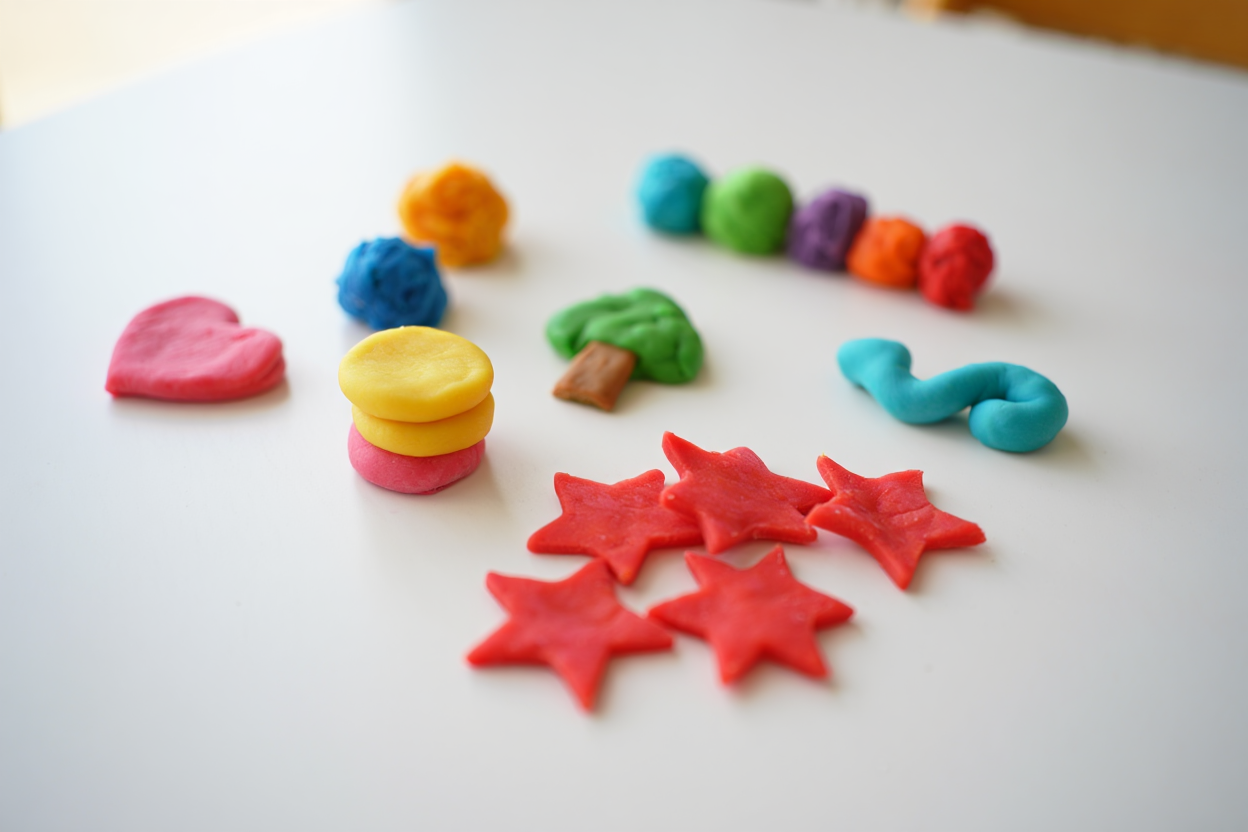
Play dough is forgiving — it can be divided, combined, traded. We start with one big ball in the middle. We don't divide it in advance. They figure out the dividing. The back-and-forth of sharing becomes natural with material that makes sharing possible.
Materials: Play dough, simple tools (plastic knives, cookie cutters)
Social-emotional challenges:
- The children need to divide the dough themselves. Watch how they negotiate — who takes first? How much?
- Someone takes more than their share. "Look at how much everyone has. Is it fair?"
- Someone wants more. "It looks like you'd like more. Who has extra they could share?"
- Someone doesn't want to share the cookie cutter. "She wants a turn. You've had it for a while."
- Someone combines their dough with another's without asking. "You mixed your dough with hers. Did you ask first?"
4. The Meeting Drawings
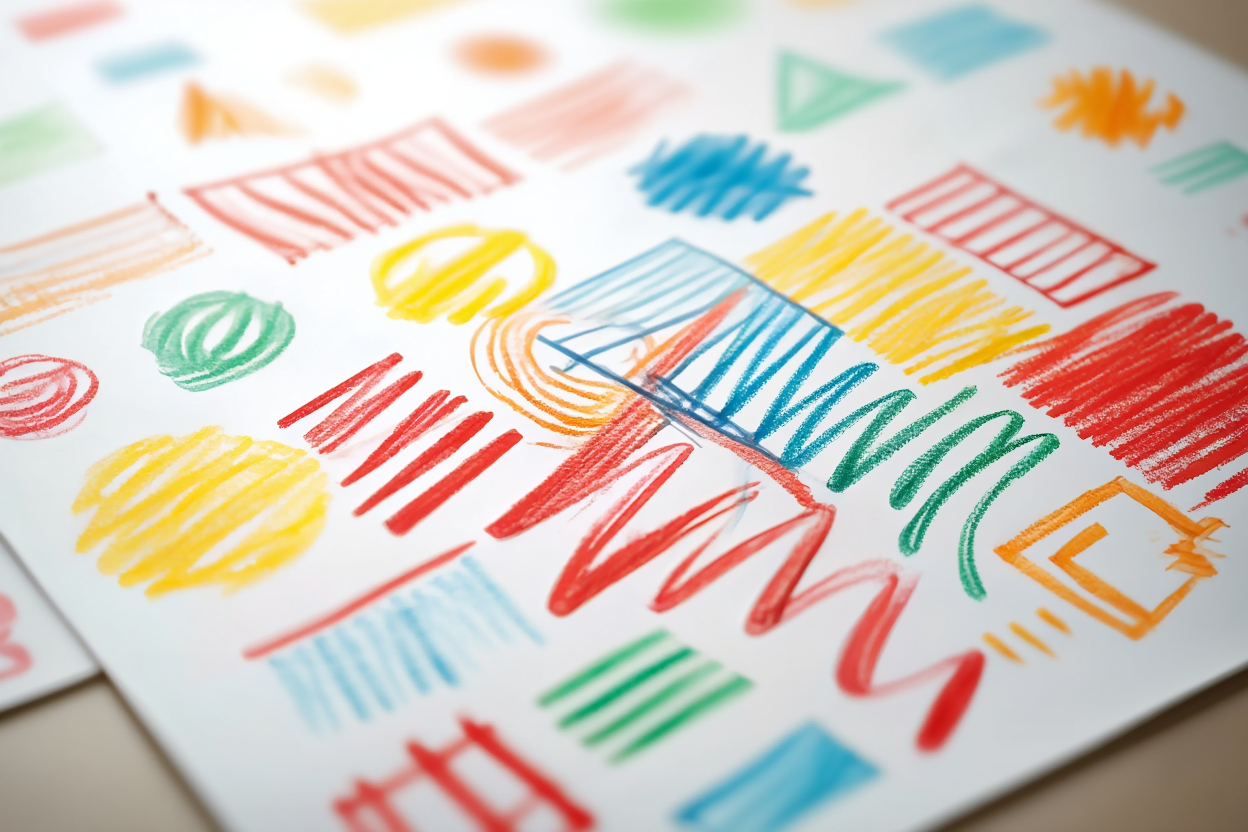
At three, children aren't ready for true collaboration. But they can work side by side on something shared. We make the paper smaller than comfortable — drawings will meet. That's the design. This is the beginning of sharing space.
Materials: Large paper or taped-together sheets, chunky crayons
Social-emotional challenges:
- Someone draws into someone else's space. "Your drawings are meeting. What could we do?"
- Someone doesn't like what another child drew near their work. "He drew on my part!" Let the feeling be there: "You're upset. What part do you still like?"
- Two children want the same crayon. Only have one of each color — on purpose. "You both want the red. What could you do?"
- Someone scribbles on another's drawing. Address it directly: "That was her work. How do you think she feels?"
5. The Shared Paint Cups
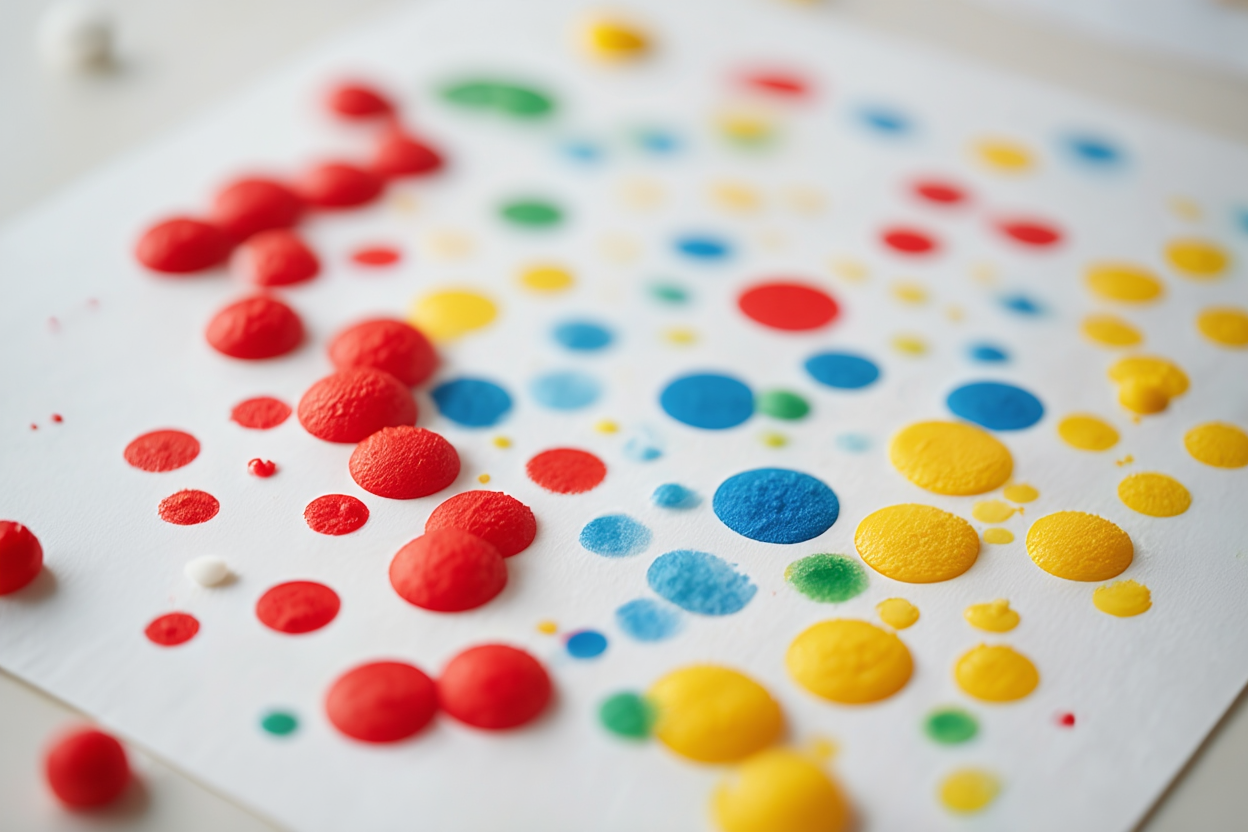
One cup of each popular color, placed in the center. Turn-taking becomes necessary, not optional. And the clothespins are tricky for small hands — asking for help is itself a social skill we're practicing.
Materials: Cotton balls, clothespins, washable paint (one cup per color), paper
Social-emotional challenges:
- Two children reach for the same paint cup. "You're both ready for the red. Who goes first? Who goes next?"
- Someone holds a paint cup too long. "Others are waiting for the blue."
- Someone's cotton ball touches another's paper by accident. "That was an accident. What could you say?"
- A child needs help with the clothespin. Adults can wait — let them ask for help instead of jumping in.
- Someone mixes colors in a cup. "Now the yellow looks different. How do the others feel about that?"
6. Friendship Coloring Page
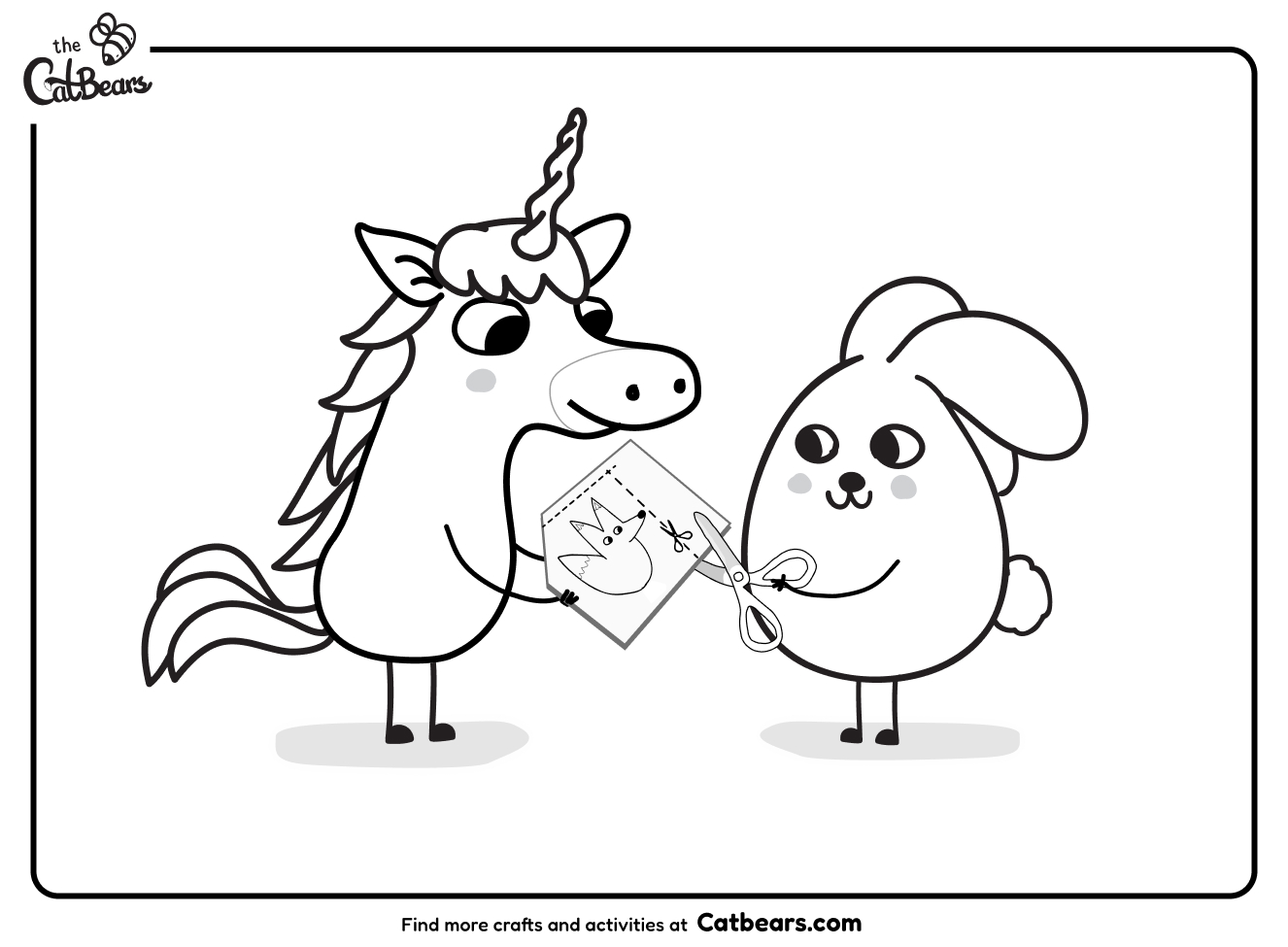
Find the activity here: Unicorn & Bunny Friendship Coloring Page →
Coloring pages are perfect for three year olds — simple, calming, and easy to do together. Print a friendship coloring page and let children color side by side. At three, working near someone is itself a social skill. When they're done, they can give it to a friend as a gift.
Materials: Printed coloring page, chunky crayons
Social-emotional challenges:
- Two children want the same crayon. "You both want the pink. What could you do?"
- Someone colors in an unexpected way. "He colored the bunny green!" Let it be. "There are lots of ways to color."
- Someone finishes quickly and wants to leave. "Your friend is still working. What could you do while she finishes?"
- At the end: "Who would you like to give this to?" Practice thinking about making someone else happy.
Why This Practice Matters Now
Change becomes harder as we age. Neural pathways get deeper. Patterns become more fixed. What feels like "just who I am" at forty was once a moment of practice at four.
These small craft moments — one glue stick in the middle, one sparkly sticker that two people want — are practice for everything that comes later. The situations change. The underlying impulses don't.
The craft is just the container. The real work is helping children experience the impulse, feel it fully, and find another way through.
My three year old is still learning. Yesterday she told her friend: "You can look at my stickers, but ask me first before you take one."
Is that perfect sharing? Not exactly. But she's finding her way. She's learning she can set boundaries while still being kind. That's the practice.