
Creative activities for kids that develop social-emotional skills
The Catbears teach children ages 3–12 to handle everyday conflicts through kids' craft activities, coloring pages, and creative project ideas that build social skills, self-awareness, and self-confidence.
"Pure joy! My child gets far more than just another craft activity."Adam, Emma's dad

How it works
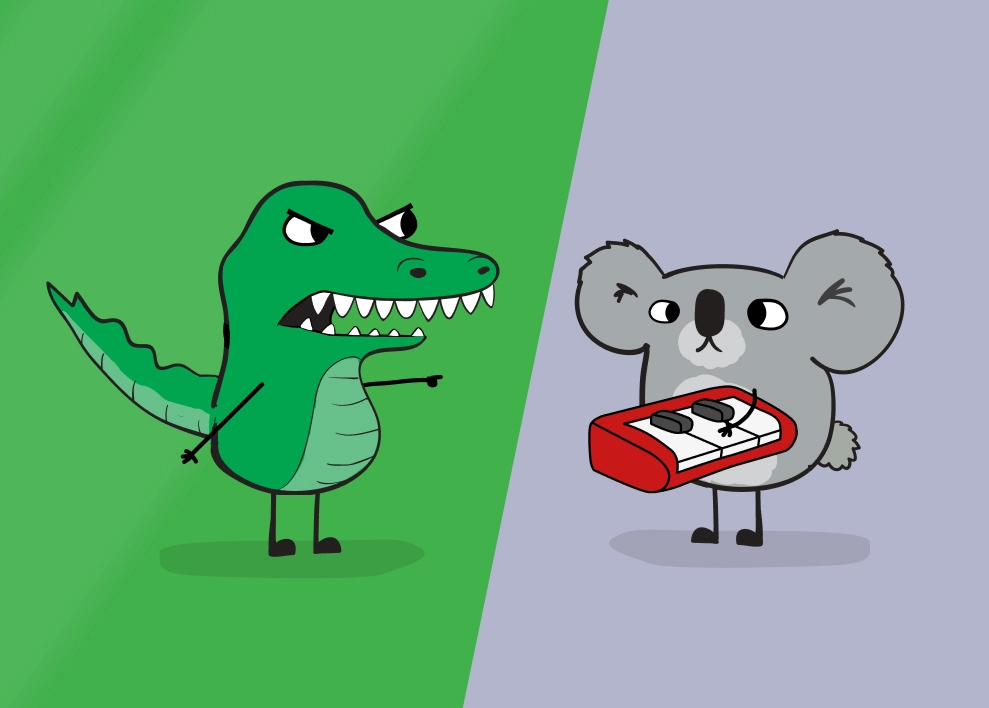
Jordi the Crocodile explains and demonstrates in a short video how Catbears works.
Create step by step
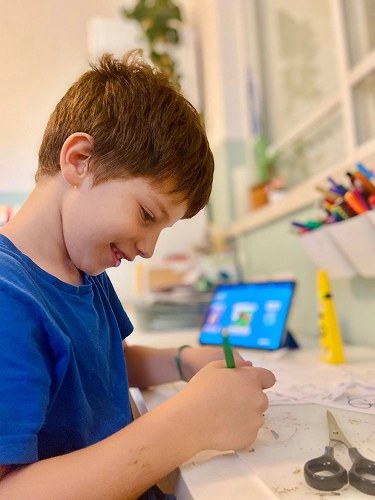
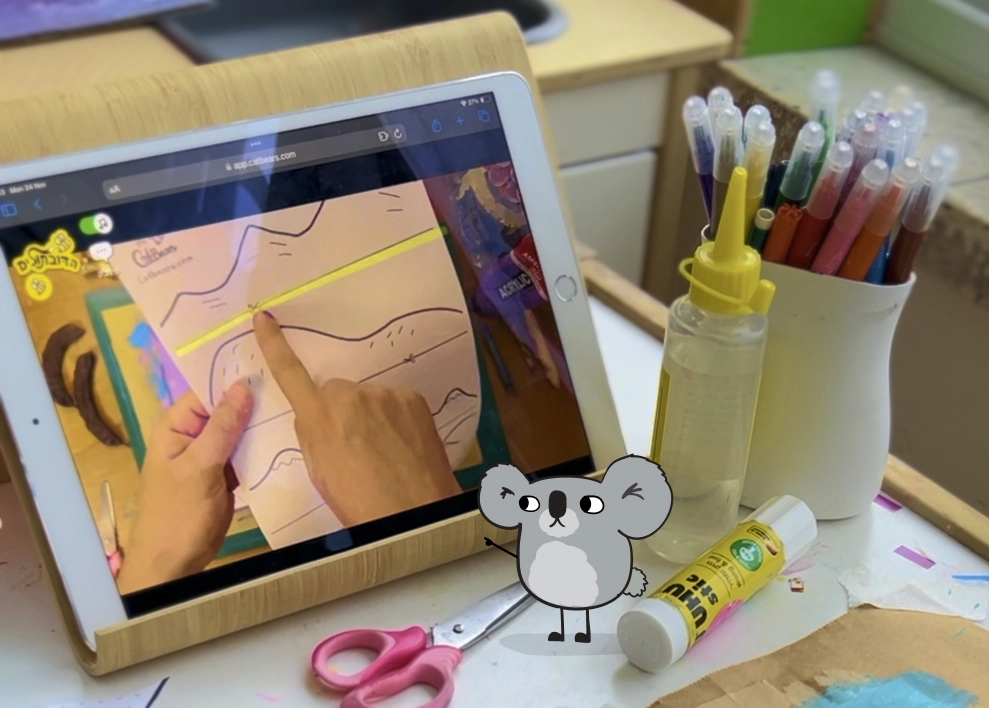
Children create independently while the app guides them step by step with short, clear videos — so you can focus on helping them and practicing the important skills: social‑emotional skills and teamwork.

There is no better time than today to equip our children with life skills and tools for social challenges. The Catbears app provides this solution.

Creative Projects for Kids Using Household Materials
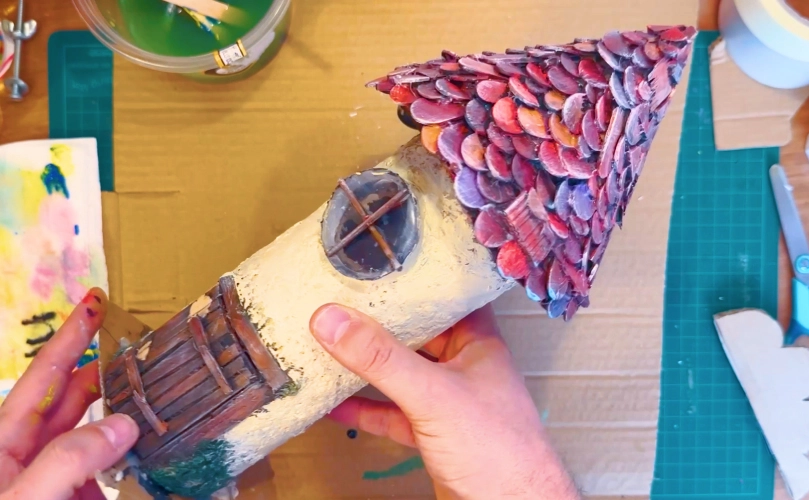
The app is packed with creative ideas for kids, suitable for preschool and elementary ages. The activities work well at home, in school, or in kindergartens. Just open and start creating.

Eco-Friendly
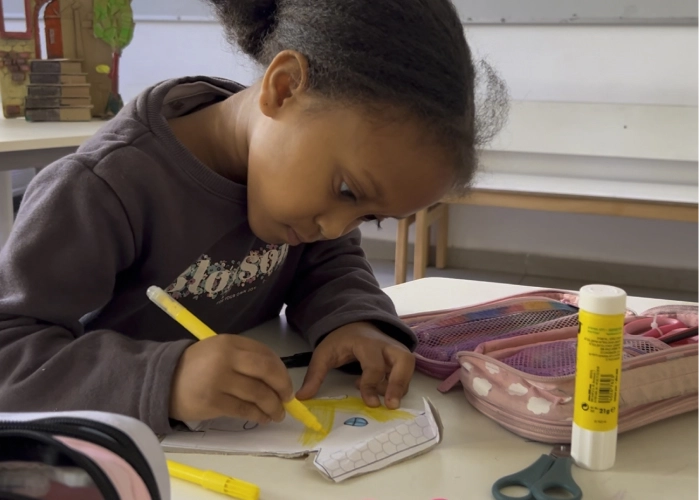
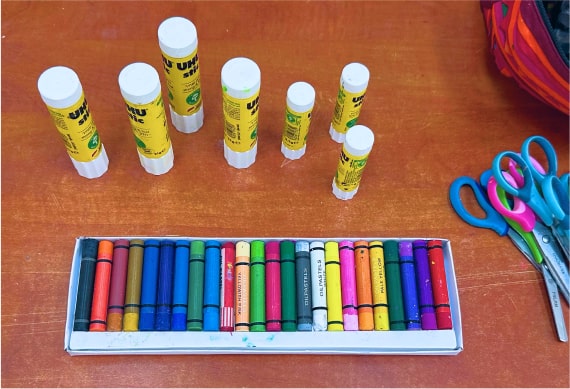
Glue, scissors, colors, cardboard boxes, and paper bags. We encourage the use of recycled materials to help build environmental awareness in children.

Safe Tools for Kids
The projects use materials and tools that are kid-friendly – no hot glue guns or utility knives, so every child can create safely.
Printable Activity Pages
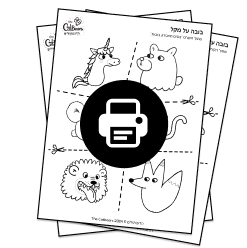
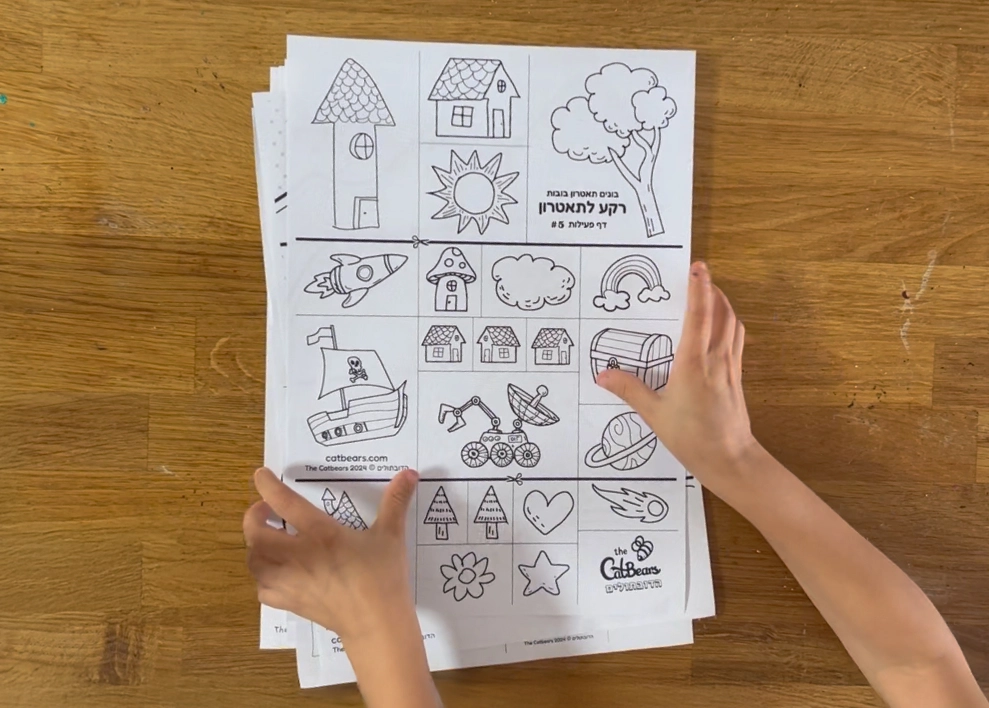
The projects include printable activity pages. You can print them on any home printer, A4 size, black and white.
Why kids love the Catbears activities
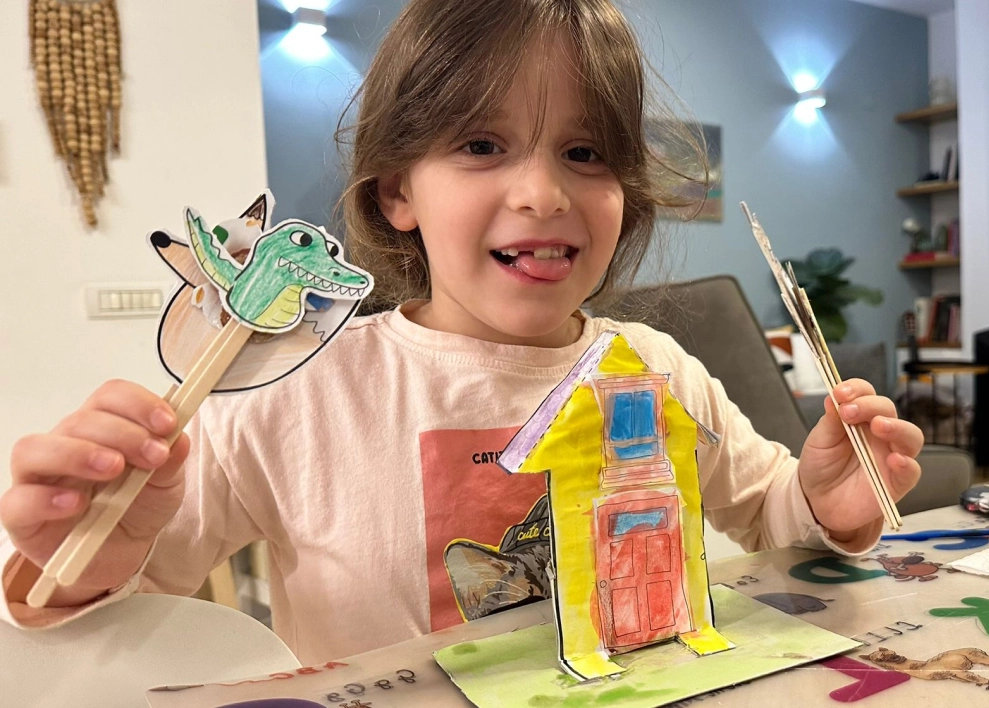
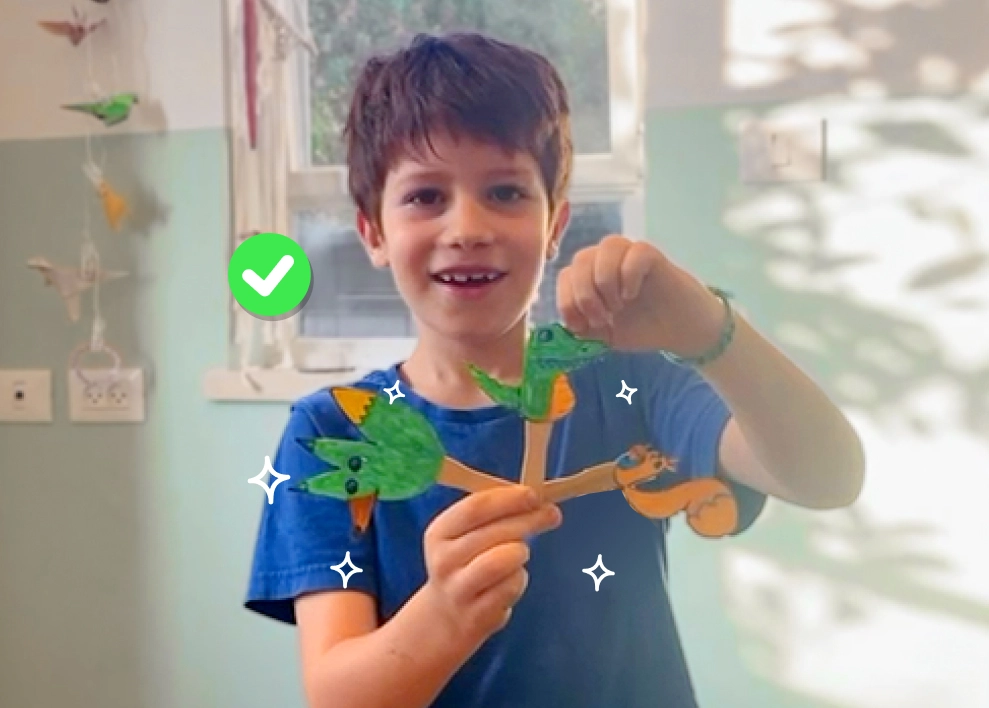
“As a speech‑language pathologist, The Catbears is an amazing tool for emotional therapy for children. The precise structure and videos save me valuable operational time and allow me to arrive at the session focused on the child and not on preparations. I combine creative ideas for children and mindfulness to touch on topics like emotional intelligence or social anxiety in a natural and funny way. Knowing that I have ready‑made creative activities for children for every stage, from creation for ages 3–4 to creative work for 6‑year‑old children, allows me to invest all my energy in what's most important: the therapeutic relationship and open dialogue.”
FAQ
Behind every difficult behavior is often an overwhelmed child. We bridge that gap through a comprehensive approach:
- Free Printable Resources: Practical, bear-themed social stories for high-need areas like personal space and asking for help.
- The "Catbears Felt" Digital Tool: A unique platform (catbears.com/felt) where kids express their internal world through digital play.
- Collaborative Learning: Online courses and crafts where children practice real-world skills—like turn-taking and negotiation—while they create together.
In every Catbears project, children learn that mistakes are just problems looking for solutions. We make the "hard stuff" of social interaction tactile, engaging, and safe.
Catbears operates on two complementary levels: an educational field workshop and a digital initiative.
The Catbears workshop, approved under Gaf"n program number 45381, operates in kindergartens and elementary schools and serves as a precise pedagogical laboratory. There, each activity is tested with real children: difficulty level, guidance, frustrations, how children cooperate, and whether the emotional skill is actually transmitted and absorbed.
In parallel, the team collects feedback from parents and children creating from home, conducts usability tests and in-depth interviews, and fine-tunes the digital creative experience to be clear, feasible, and well-guided.
Based on all this, activities are built by an experienced product team that ensures children succeed in completing tasks, understanding emotional tools, and applying them.
The goal is to achieve a creation that children are proud of, together with a process that generates change in behavioral habits, so that from activity to activity we see real and meaningful progress in exactly the places that are usually hardest to teach: children will cooperate better, cope differently with frustration, listen, wait, and talk - this is the essence of Catbears.
The principle of Catbears is to leverage the natural moments of frustration that arise during creation as a perfect environment for social-emotional learning. In each activity, children learn a different skill such as how to take a breath to calm anger, how to help a friend, and how to accept differences.
Gradually, children identify emotions in real-time, manage to stop before outbursts, and improve their coping with conflicts from daily life.
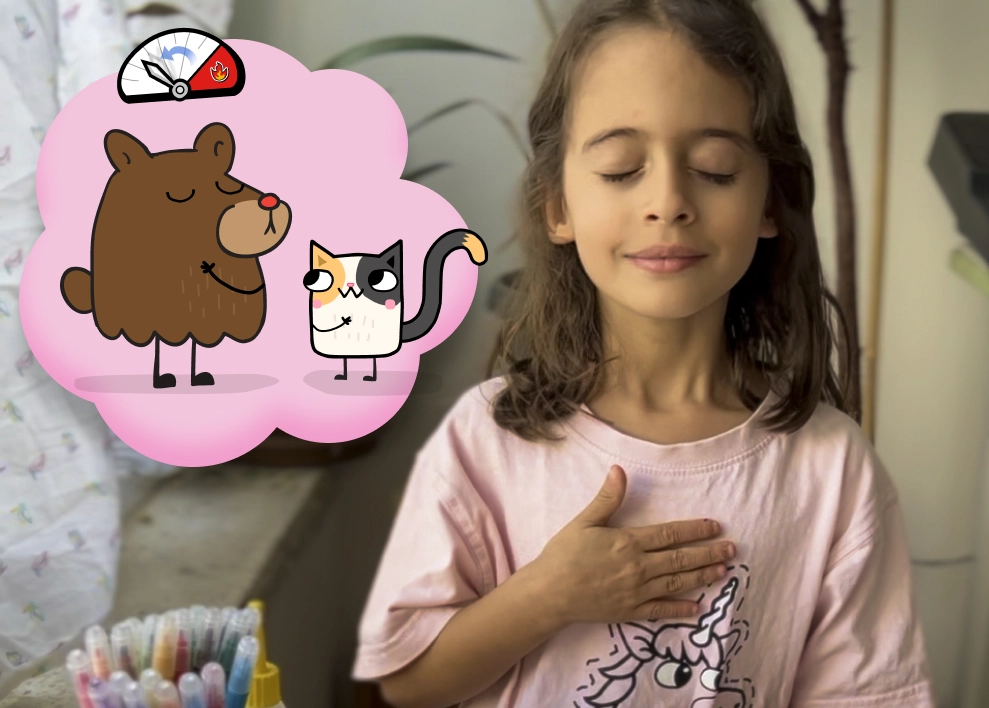
The emotional model works on breaking the automatic response by training the brain to stop the emotional reaction and choose a conscious response. Repeated practice of "stop-breathe-think" turns this response into an automatic habit, essential for emotional regulation and conflict resolution in real life.
Parents and educators report that children begin to use breathing tools even outside the activity, when there is difficulty or frustration in daily life.
At home: Catbears activities encourage cooperation between siblings by forcing them to work together on a shared project. Parents are "freed" from endless searching for easy craft ideas for children, and enable immediate activation with minimal preparation. The activities are especially suitable for rainy days or holidays, when parents are looking for meaningful activity that encourages cooperation instead of arguments. Children stay engaged and focused, and the final product gives a sense of achievement and pride.
In educational institutions: Catbears activities were developed to address common emotional and social difficulties among children, including emotional restlessness, regulation difficulties, challenging social dynamics, and feelings of loneliness. The structured format of activities combined with guided video makes them an ideal tool for educators and therapists, such as speech therapists and art therapists, as well as for kindergarten teachers, teachers, and after-school program leaders.
The activities are adapted for small groups of up to six children, and are successfully run in kindergartens, elementary schools, communication kindergartens, after-school programs, community centers, and emergency settings. The clear structure and guided pace also allow children with emotional or social difficulties to integrate safely and experientially.
Catbears shifts the focus from the adult to the children. The child learns to cope with conflicts from self-awareness of their emotions, which frees them from the need to use an adult as an arbitrator. The characters (the Cat and the Bear) serve as a model for accepting opposites and inclusion - "even a bear and a cat can be friends!". Children learn that the power to resolve the conflict lies within the child themselves.
The course creates situations where children must work together, for example, waiting for everyone to finish a stage before progressing, or helping a friend who encounters difficulty. Repeated practice of cooperation turns these skills into second nature.
Children practice practical skills: asking for help, giving help, waiting for turns, and using calming strategies when frustrated. "Team steps" create short, fun interactions that turn friction into learning.
The system comes with activity pages and short videos that guide step by step. The equipment includes safety scissors, glue sticks, thin cardboard (like a cereal box), tape, and colors/markers/watercolors. All materials are safe for children - no need for hot glue or sharp tools.
We use only available and child-safe materials: paper, thin cardboard, tape, glue sticks, colors/markers, yarn, and rounded scissors.
The adult simply activates the video and ensures the basic tools are available. During the lesson, the course itself takes command of the pace of progress, while children help each other and develop social skills.
The course ensures that no children are left behind: when a child needs extra time to cut or glue (attention/frustration regulation), the adult waits, and the other children practice patience and mutual help.
Each lesson is divided into balanced stages with built-in pause points. Progress only when all children are ready. The system operates on the principle of "everyone together, at individual pace" - when children are ready, the group moves to the next stage.
This pace supports inclusion and reduces frustration for both fast and patient children. This flexibility allows each child to complete the project safely and strengthens a sense of capability.