¡Él tomó mi juguete!

Bear and Cat from the Catbears

How to teach kids sharing: a free game about taking turns, ages 5-10

Teaching kids to share is one of the hardest everyday jobs for a parent or teacher, because grabbing a toy back feels fair to a child, and "just share" rarely sticks. What works better is showing kids how to ask, how to wait, and how to take turns, and letting them see why that beats grabbing.

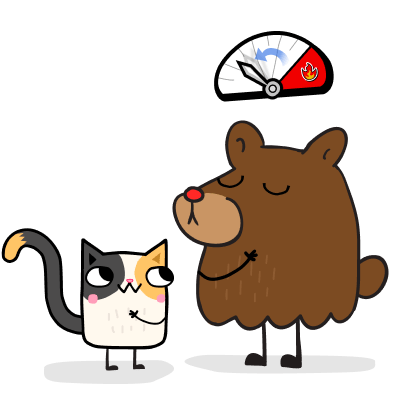
"He Took My Toy" is a free online SEL game that turns that lesson into a story kids can play. Cat takes Bear's toy without asking, and your child decides what Bear does next: grab it back, run to a grown-up, or take a breath and ask for it kindly. Each choice plays out, so the reason to share and take turns lands on its own instead of arriving as a rule.

It takes about five minutes, works on any device, and is free with no sign-up. Play it with one child, a classroom, or a counseling group.

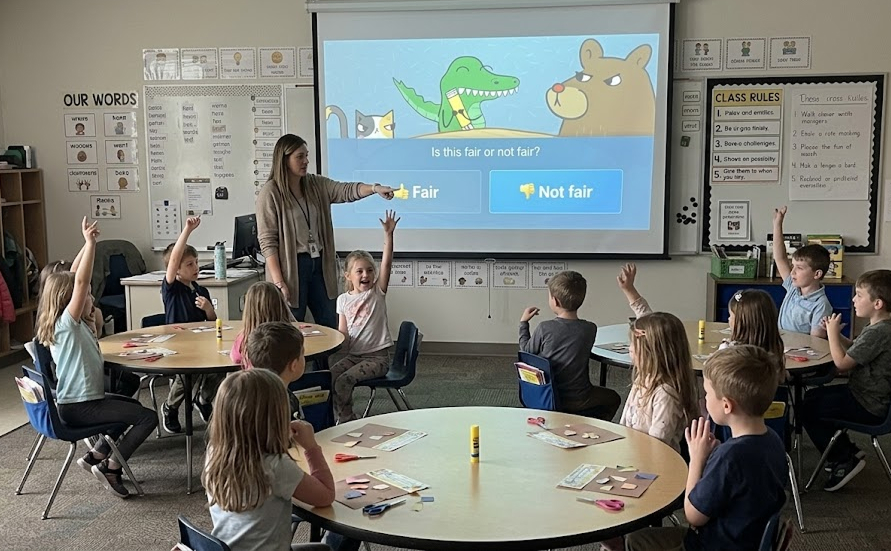
A classroom of kids watching a Catbears SEL story on screen while the teacher leads the discussion

A sharing lesson that starts the conversation

Put it on the screen at morning meeting or circle time. The class helps Bear decide what to do when Cat takes his toy, and watches how grabbing, tattling, and calmly asking each turn out. It needs no setup and fits a lesson, a social-skills group, or a quick reset after two kids fight over the same thing. Afterward, ask which choice kept the toy AND kept the friendship, and why the toy broke when both kids pulled.

When is a child ready to share?

Sharing on demand is hard for young children, and truly taking another person's view develops gradually through the early school years. That is why forcing a child to hand a toy over often backfires. This game teaches the pieces a child can actually manage: wait for a turn, use words to ask, and calm down before reacting. Therapists and parents can use it one-on-one to rehearse the pause before grabbing, and to practice asking for what is yours firmly and kindly, which is its own skill, different from either giving in or blowing up.

How to use it at home or in class

You can watch it through and talk about it, that works. It fits a quick chat after siblings squabble over a toy, morning meeting or circle time in the classroom, counseling and social-skills groups, or getting a child ready for a playdate where sharing is hard. After you play, ask your child which choice they would pick and how they think Cat felt, talking it through is where most of the learning happens.

What this game teaches about sharing

Taking turns and asking, instead of grabbing

Sharing works best as taking turns: you get your turn, then it is someone else's. In the game, Bear takes a breath and asks for his toy back kindly instead of snatching it, and the child sees Cat wait and hand it over. Kids practice the words for asking and the patience for waiting, which is what sharing actually looks like day to day, at recess, on playdates, and in the block corner.

Why grabbing, tattling, and forced sharing fall short

The story also shows the choices kids reach for first. Grabbing it back ends with a broken toy and two kids in trouble. Running straight to a grown-up gets the toy back but leaves the other child angry. And forcing a quick "say sorry and share" teaches kids to give in, not to work it out. Kids reach these lessons by choosing and seeing the result, so the calm, fair option wins on its own.

About Catbears

Catbears is about helping kids get good at the hard parts of being a kid, starting young. This game about sharing and taking turns is one of a growing set of free SEL games. Each one takes a real moment kids run into and gives the grown-up in the room a simple way to talk about it.

Questions parents, teachers, and therapists ask

Most children can start taking turns with help around ages 3 to 4, and get better at sharing on their own through ages 5 to 7. True sharing depends on seeing another person's point of view, which keeps developing across the early school years, so patience and practice matter more than pressure. This game is aimed at ages 5-10, where kids can follow the story and the choices.

Frame it as taking turns rather than giving things away, name the feelings out loud, and coach the words: "Can I have a turn when you're done?" Model asking instead of grabbing, and let natural consequences do some of the teaching. Playing through this game together does exactly that, your child chooses Bear's reaction and sees how it turns out.

Forcing a child to hand a toy over the moment another child wants it often backfires, teaching kids to give in or to grab louder next time. It usually works better to protect turns ("she's using it now, you're next") and to coach asking and waiting. This game leans into that: Bear gets his toy back by staying calm and asking, not by being made to give it up.

About five minutes. It is short on purpose, so it fits into a car ride, a bedtime chat, or a few minutes of circle time.

Sharing and taking turns, plus the self-control underneath them: pausing before you react, asking for what is yours firmly and kindly, and seeing why grabbing or tattling usually backfires.

Yes. No sign-up, no download, no cost. We think every child should be able to practice these skills.