 NEW
NEW
Fair or Not Fair?
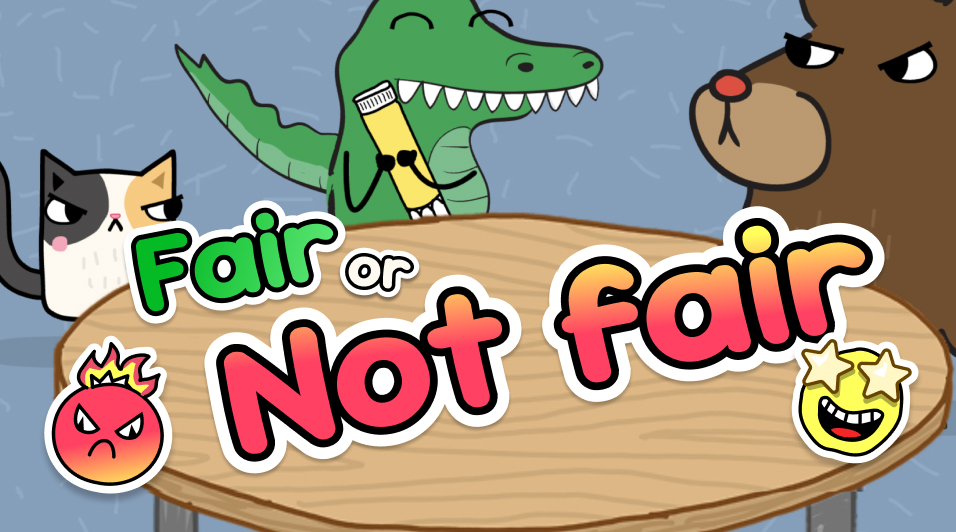
A short interactive social game about fairness, and what to do when everyone wants the same thing.
How to encourage kids to share
Kids argue over whose turn it is all the time. That everyday conflict is exactly why this simple social emotional learning game works so well.
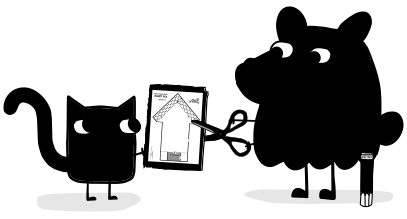
In the game, the Catbears characters fight over a glue stick. Kids help them solve the problem, think about fairness, and find a way that works for everyone.
It is an easy SEL game for kids that you can play in class, in therapy, or at home. It turns a familiar moment into a real conversation about sharing, fairness, and conflict resolution for kids, giving them a simple tool they can use again the next time a turn feels unfair.
Classroom games for kids that start the talk
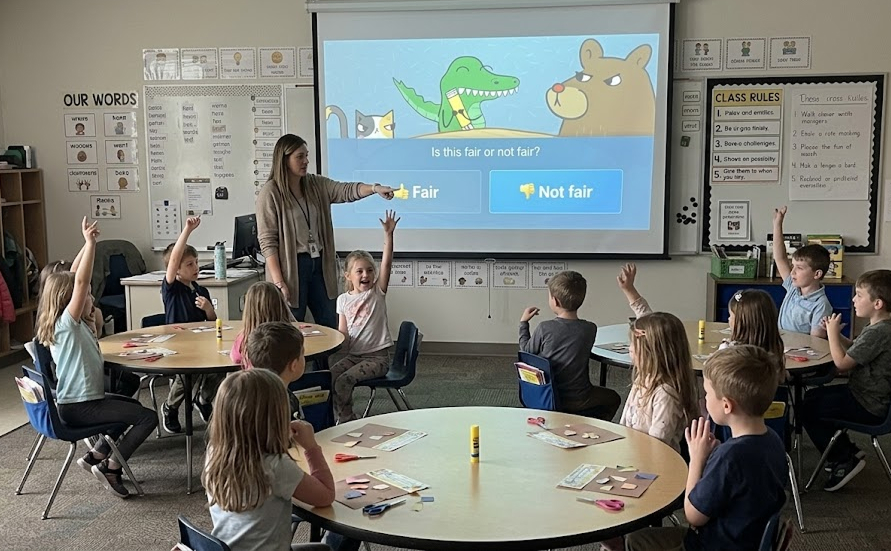
Teachers can put this up on the screen at morning meeting or as a 5-minute SEL warm-up. The kids see the conflict, vote on what feels fair, and you have the whole class engaged and ready to talk. It works as a stand-alone classroom game, or as a quick intro before any group activity that day.
Social scenarios for kids, ready to use
Therapists and parents can use the game one-on-one to bring up small social scenarios kids actually run into. Pause it after each choice and ask why. The story is short and concrete enough that even quieter kids will tell you what they think, which is usually the hard part.
How to get the most out of it
You can sit with the kids, play it through, and have a chat about what they saw. That works. But the better way: play the game before any other activity. The game gives you the words, gives the room a name for the social skill you're practicing that day. Then when you move to the activity and a real disagreement comes up, the kids already have the language for it. The activity becomes the safe space where they get to try the thing they just learned.
About Catbears
Catbears is about helping kids get good at handling conflicts, starting young. This is one of our first social-emotional learning games. We're working on more, each one taking a real situation kids run into and giving the grown-up in the room a way to talk about it.
Ready to play Fair or Not Fair?
Get the next one
We send a short email when a new game or social story is ready. No spam, just the new stuff.
Rejoignez la newsletter des Catbears
Soyez les premiers à découvrir nos nouvelles histoires sociales, ressources gratuites et activités créatives - directement dans votre boîte mail.
Les personnes qui aiment aussi
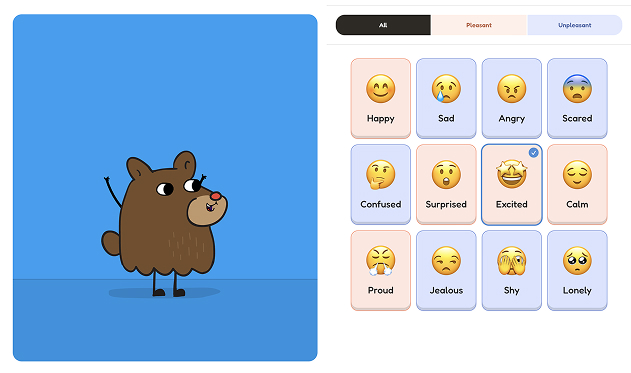
Que ressens-je ?
Explorez les émotions en tapant sur les cartes et en regardant Ours les exprimer

Coloriage d’amitié – Canard et Lapin
Coloriage d’amitié pour canard et lapin. Imprimez, coloriez et offrez à un ami. Activité simple et joyeuse pour les enfants.
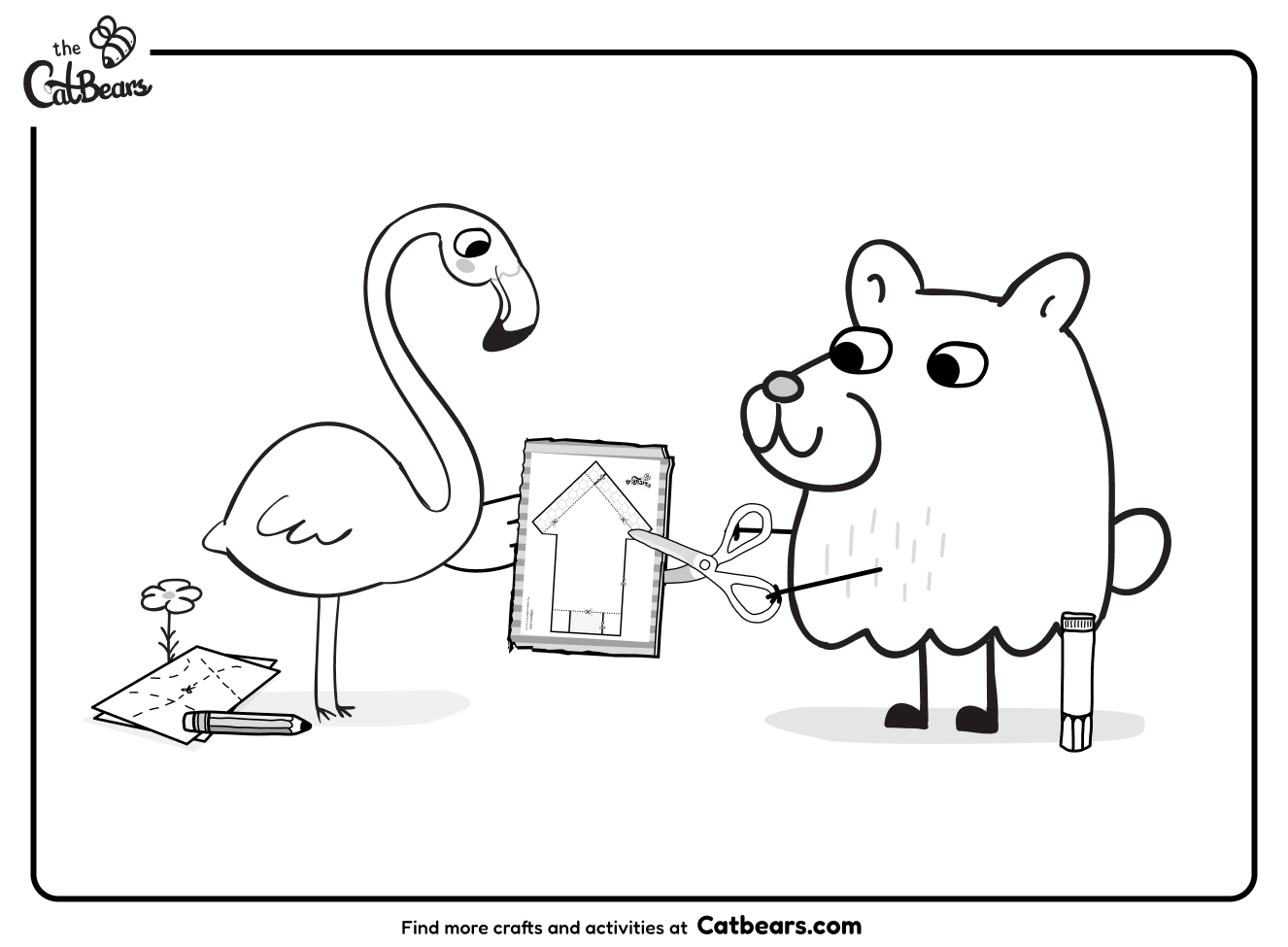
Friendship Coloring Page - Flamingo and Bear
Friendship coloring page for unicorn and bunny. Print and color and give to a friend as a special gift. A fun and easy activity for kids to color.
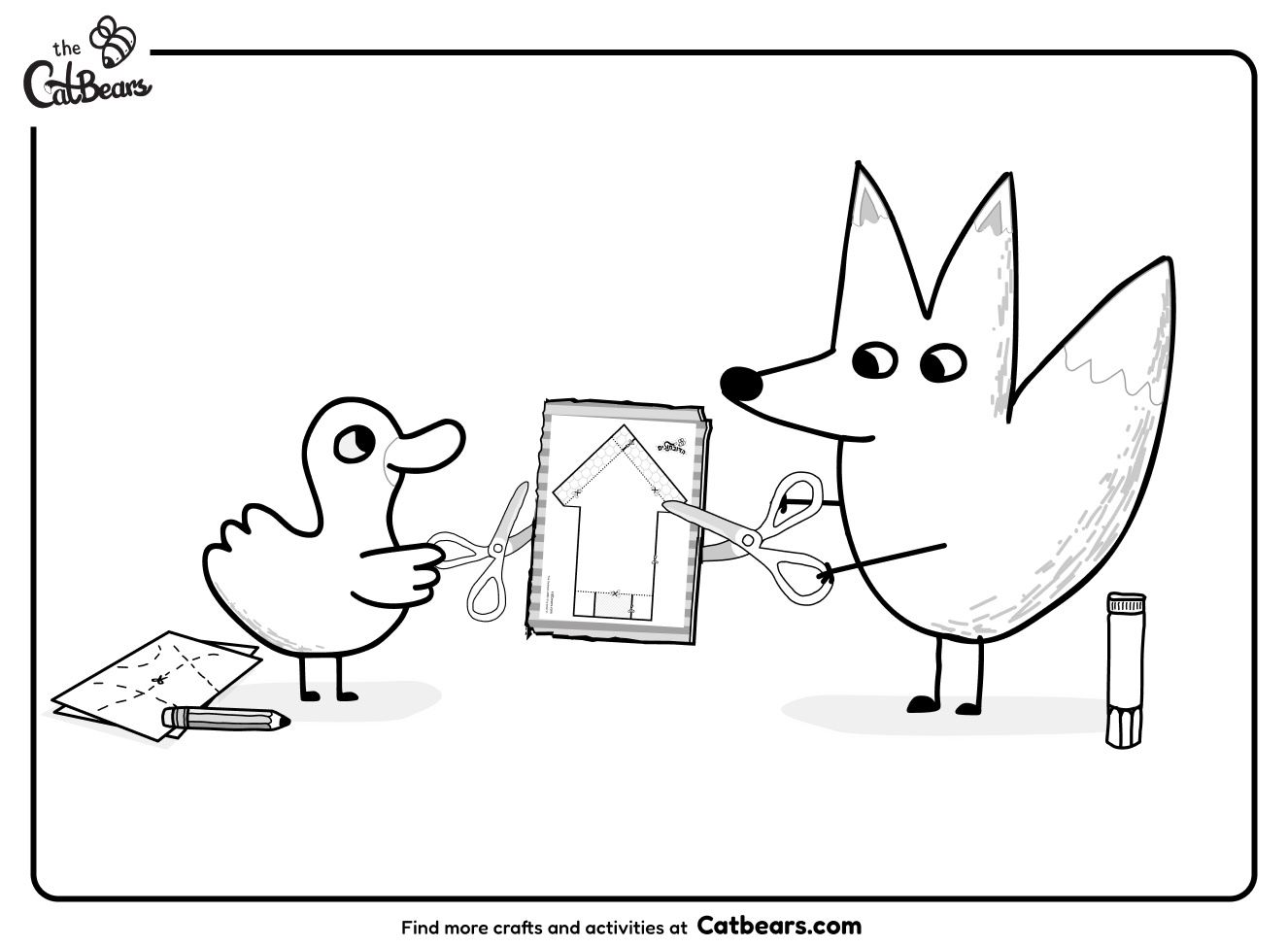
Coloriage d’amitié – Canard et Renard
Coloriage d’amitié pour canard et renard. Imprimez, coloriez et offrez à un ami comme cadeau spécial. Activité simple et joyeuse pour les enfants.