Left Out

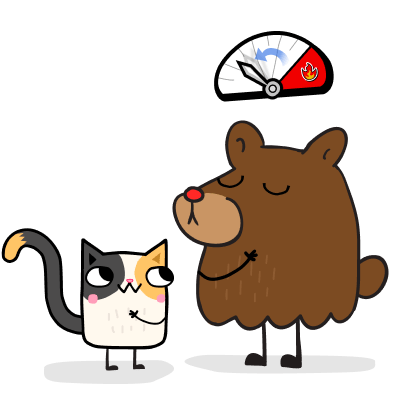
Bear and Cat from the Catbears

A free game about being left out, for kids ages 5-10

Feeling left out is one of the hardest emotions for kids to handle, and it shows up everywhere. The lunch table, the playground, the group chat.

This free online SEL game walks children through what it feels like to be excluded, and what they can do about it, for themselves and for others. The adorable Cat and Bear characters and the simple story help kids connect, relate, and practice empathy in a safe way.

Share this resource with everyone who may find it useful, and help children build the social skills they need for everyday challenges.
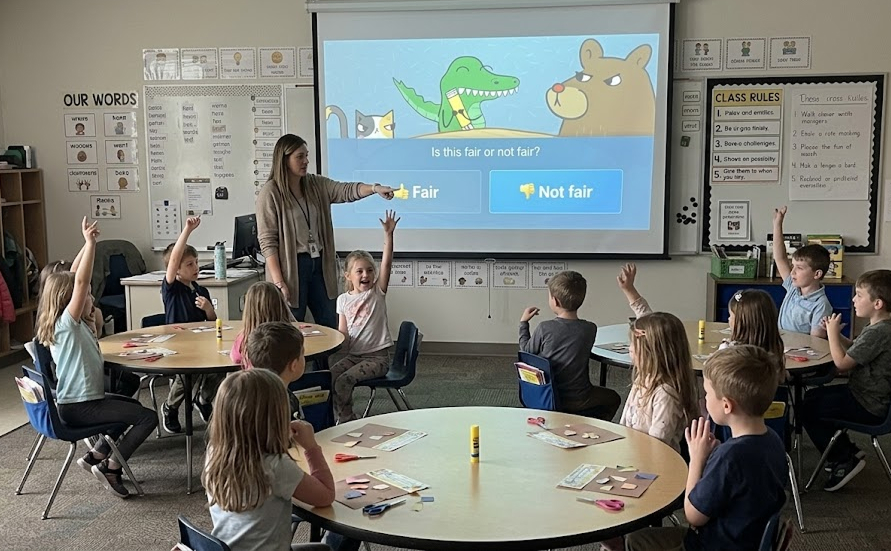
A classroom of kids watching a Catbears SEL story on screen while the teacher leads the discussion

An inclusion story that starts the conversation

Put it up on the screen at morning meeting or circle time. The class helps Bear decide what to do when Cat wants to join, and sees how each choice plays out. It takes about five minutes and needs no setup, so it slots into a lesson, a counseling group, or a quick talk about a friend who felt left out. Afterward, ask the class which choice felt kindest and what made it work; that discussion is where it really sinks in.

Empathy and repair, made concrete

When a child picks "keep playing and forget about him" and then sees Cat walk away, the feeling lands in a way a lecture never could. The game is built around those small consequences, so children connect a choice to its result on their own. Therapists and parents can use it one-on-one to practice noticing someone on the outside, and to rehearse repair, going back and fixing a moment after feelings get hurt, even when it feels awkward.

How to use it

You can watch it through and have a chat, that works. It fits a quick talk at home about a friend who felt left out, morning meeting or circle time in the classroom, counseling and social-skills groups, or helping a child get ready for a new group or a new school. After you play, ask your child which choice felt best and why, talking it through is where most of the learning happens.

What this game teaches

Including others and empathy

Kids practice noticing the child on the outside and finding a real way to bring them in, and they get to feel how it is to be the one waiting to be asked. Short, guided stories like this give kids a safe place to practice the social moments they meet every day, at recess, at birthday parties, and in the lunchroom.

Repair and speaking up

The story also practices repair, circling back to mend a moment once someone gets hurt, and speaking up, answering a friend who reaches out instead of staying quiet. Kids reach those lessons by choosing and seeing the result, so they land on their own.

About Catbears

Catbears is about helping kids get good at the hard parts of being a kid, starting young. This inclusion game is one of a growing set. Each one takes a real moment kids run into and gives the grown-up in the room a simple way to talk about it.

Questions parents, teachers, and therapists ask

It is made for children ages 5-10 (kindergarten through 4th grade). The story and the choices use simple language that early elementary kids can follow on their own or with a grown-up.

About five minutes. It is short on purpose, so it fits into a car ride, a bedtime chat, or a few minutes of circle time.

It focuses on including others, empathy, and repair. Kids practice noticing someone who feels left out, bringing them into the group, and fixing a moment after feelings get hurt.

Start by naming the feeling out loud so your child knows it is normal and okay to talk about. Then play through the game together and talk about the choices. Seeing the story from both sides, the one playing and the one waiting, helps a child build words for what they feel and ideas for what to do next time.

For ages 5-7 we suggest playing together the first time so you can talk about each choice. Kids 8 and up can play on their own, though a quick chat afterward helps the lesson stick.

Yes. No sign-up, no download, no cost. We think every child should be able to practice these skills.