Hands Are Not for Hitting – Free Safe Hands Social Story PDF

A free gentle hands social story PDF that shows kids what their hands ARE for — hugging, building, waving, helping — instead of hitting.

4 MB • 9 pages

Page 1 illustrations
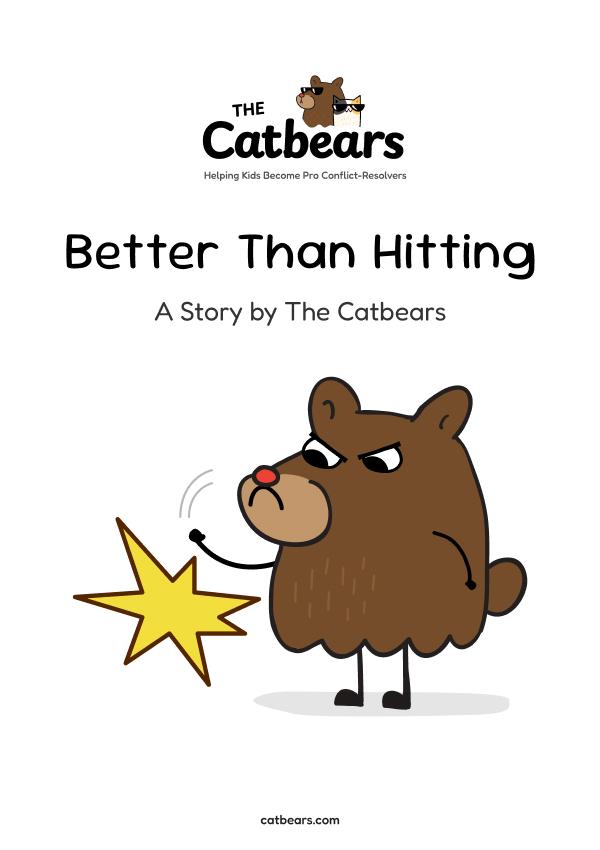
Better Than Hitting
The Catbears © 2026 All rights reserved
A Story by The Catbears
Page 2 illustrations
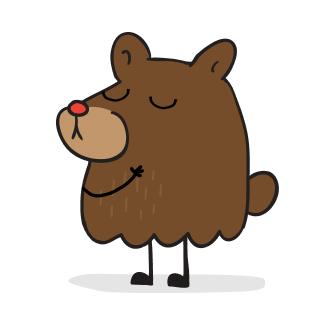
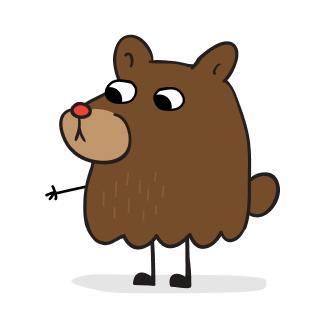
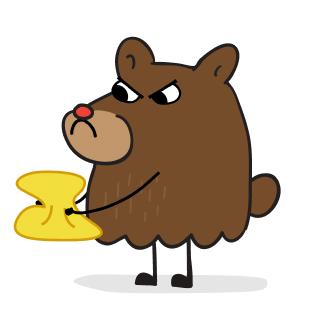
This is Bear.
Sometimes Bear feels very upset.
Sometimes Bear’s body feels too full.
1
Page 3 illustrations
When Bear feels this way, Bear wants to hit.
Hitting is Bear’s body trying to let the feeling out.
2
Page 4 illustrations
Hitting can hurt others.
Hitting can also make Bear feel worse later.
3
Page 5 illustrations
Bear’s feelings are okay.
Feeling upset is okay.
Having a full body is okay.
4
Page 6 illustrations
Bear can choose other ways to let the feeling out
5
Bear can squeeze something tight.
Bear can take a deep breath.
Bear can ask for help.
Bear can stomp feet.
Page 7 illustrations
These choices help Bear’s body feel less full.
When Bear’s body feels calmer, Bear does not need to hit.
6
Page 8 illustrations
7
Bear feels proud after choosing another way.
The feeling passes and Bear feels much better.
Page 9 illustrations
Dear Grownups,
Reading this story can help your child notice strong feeling when they shows up.
When that happens, you can gently remind them what Bear did instead of hitting - Squeezing, stomping, breathing or asking for help.
One important thing to know:
 When a child is in a full emotional storm, the body is in charge. Trying to explain, correct, or teach in that moment often makes things harder.
In these moments you should focus only on helping their body calm down.
Over time, your child will learn how to listen to their body and guide it through hard moments.
Love, The Catbears
Use very few words.
Stay close.
Help them feel safe and secure.
Be their guardian.
For more stories visit catbears.com

Kids don't hit because they're "bad." They hit because their hands moved faster than their words.

This story flips the script — it's about what hands CAN do.

  • Kids see all the good things hands are for
  • They practice gentle hands while calm
  • When the moment comes, they have a different picture in their head
HuggingHugging
BuildingBuilding
WavingWaving
HelpingHelping

Safe hands become second nature

With repetition, kids start to see their hands differently — not as something to control, but as something good they can use.

Gentle hands is one of the first social skills a child can master.
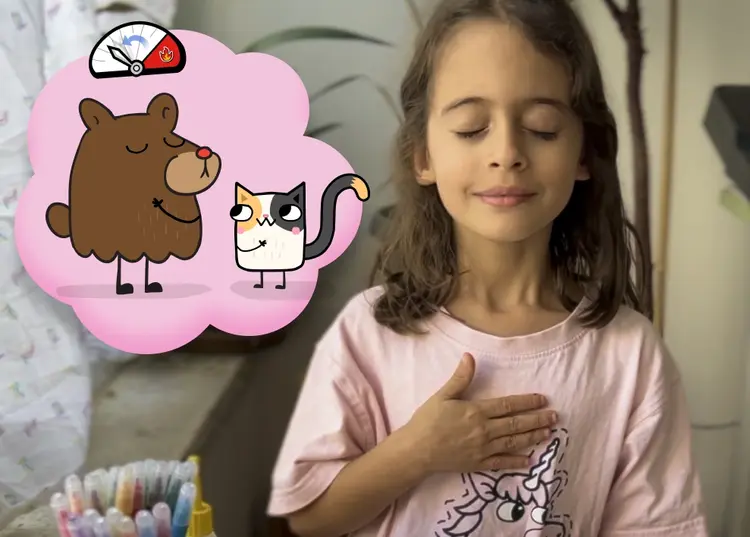
Catbear character showing safe gentle hands

How to Use:

  1. Print or open on tablet
  2. Read together when things are calm
  3. Remind with "remember, hands are for..."
File size: 4 MBPages: 9 pages

Hands are not for hitting — free PDF resources

Download a free hands are not for hitting PDF, safe hands social story, and gentle hands social story printable. Visual support for teaching kids what their hands can do instead of hitting.

It's a visual story that teaches children what their hands CAN do — hug, wave, build, help — instead of focusing on what they shouldn't do. By showing positive uses for hands, children build a new mental picture of what "safe hands" look like in everyday situations.
This story works best for children aged 2 to 7. The simple visuals and short sentences are designed for toddlers just learning body boundaries and for early elementary kids who are still practicing gentle hands with peers.
A "no hitting" story focuses on stopping a behavior. This "hands are not for hitting" story focuses on replacing it — showing kids all the positive things their hands can do. It's a gentle, strengths-based approach that gives children something to do, not just something to avoid.
Yes. The visual format works well for children who are visual learners or who process verbal instructions more slowly. The concrete images of what hands CAN do provide a clear, predictable script that reduces anxiety around social interactions.
Yes. The Catbears provides this safe hands social story as a free resource for parents, teachers, and therapists. Print it, use it on a tablet, or share it in your classroom — no cost, no sign-up.
Read it during calm moments — not right after a hitting incident. The goal is to build the "safe hands" picture in your child's mind before they need it. Once a day for a week is a great starting rhythm.
Absolutely. Many teachers use it during morning circle time or as part of a social skills group. Therapists use it as a visual anchor during sessions focused on body boundaries and safe touch.
Keep it short and connected to the story: "Remember, hands are for helping and hugging. Let's try safe hands." The story gives you shared language — use it as a calm reminder, not a punishment.
Yes. Sibling conflict is one of the most common reasons parents search for "hands are not for hitting" resources. Reading it together with both children creates a shared understanding and gives them language to use with each other.
The Catbears is an EdTech initiative built by therapists, educators, and designers. All social stories are developed with speech therapists, occupational therapists, and classroom teachers to make sure they actually work in real life.