Free Printable Kids Chores Chart: A Simple 5-Step Chore Routine
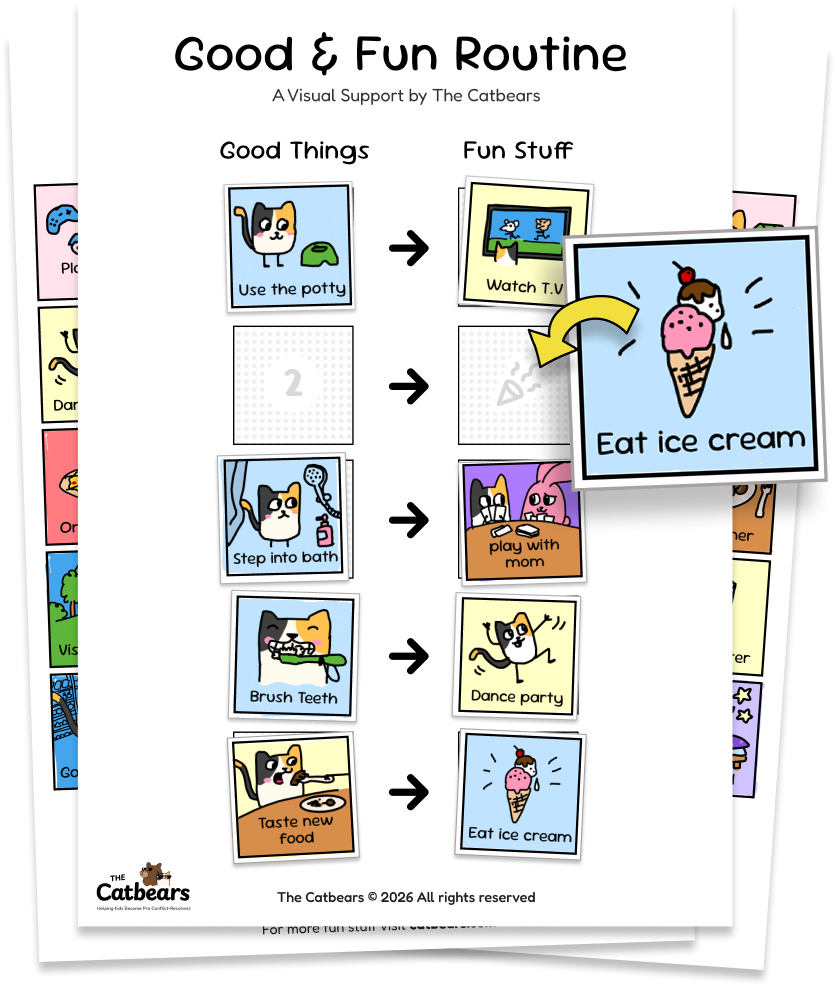
Turn daily nagging into a clear, kid-friendly chore flow. One glance shows what to do now and what comes next.
Why families use this chores chart:
- Less arguing: the chart becomes the reminder, not you.
- Clear expectations: kids can see the next step without repeating instructions.
- Better follow-through: small steps make chores feel doable.
- Works for siblings: pick chores and rewards that fit each child.
Why families use this chores chart:
- Less arguing: the chart becomes the reminder, not you.
- Clear expectations: kids can see the next step without repeating instructions.
- Better follow-through: small steps make chores feel doable.
- Works for siblings: pick chores and rewards that fit each child.

Подпишитесь на рассылку Catbears
Узнавайте первыми о новых социальных историях, бесплатных ресурсах и творческих занятиях - прямо на вашу почту.
Chores: First and Then
- Pick your cards: choose a chore for now and a small reward for after
- Follow the arrows: finish the chore to unlock the fun
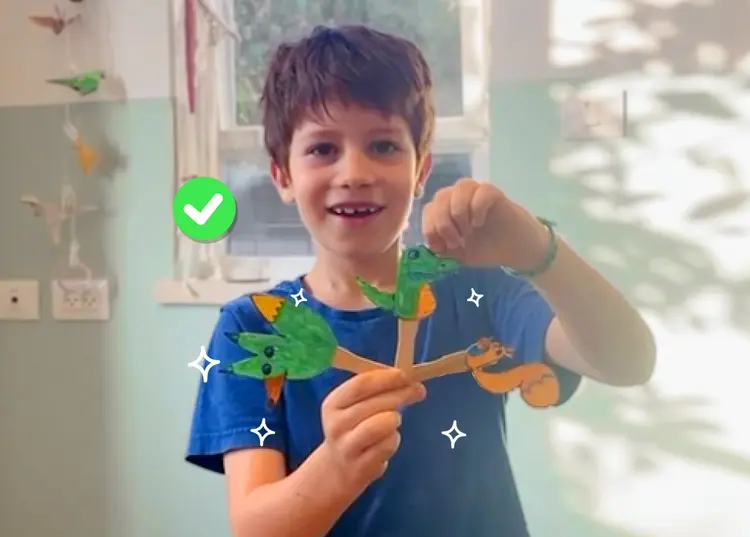
- Mark it done: move the card or give a quick check when it’s complete
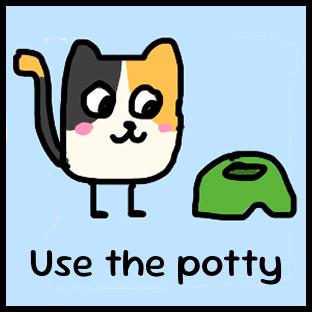 Chore
Chore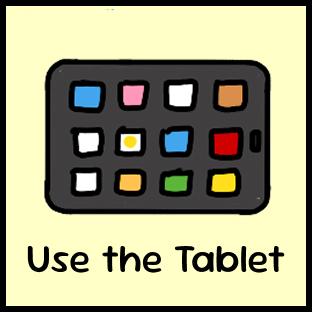 Reward
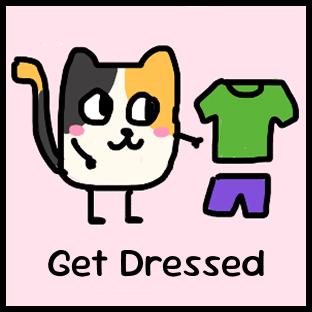 Chore
Chore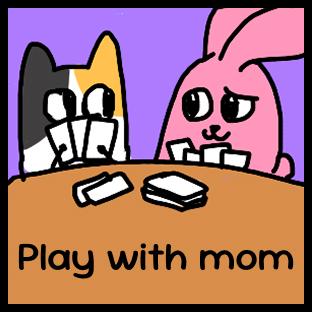 Reward
Over time you’ll see progress
Kids start initiating chores with fewer prompts, because the next step is always visible and the finish line is clear.
A chores chart is not just compliance. It’s a simple system for building responsibility and independence at home.
Люди тоже любили
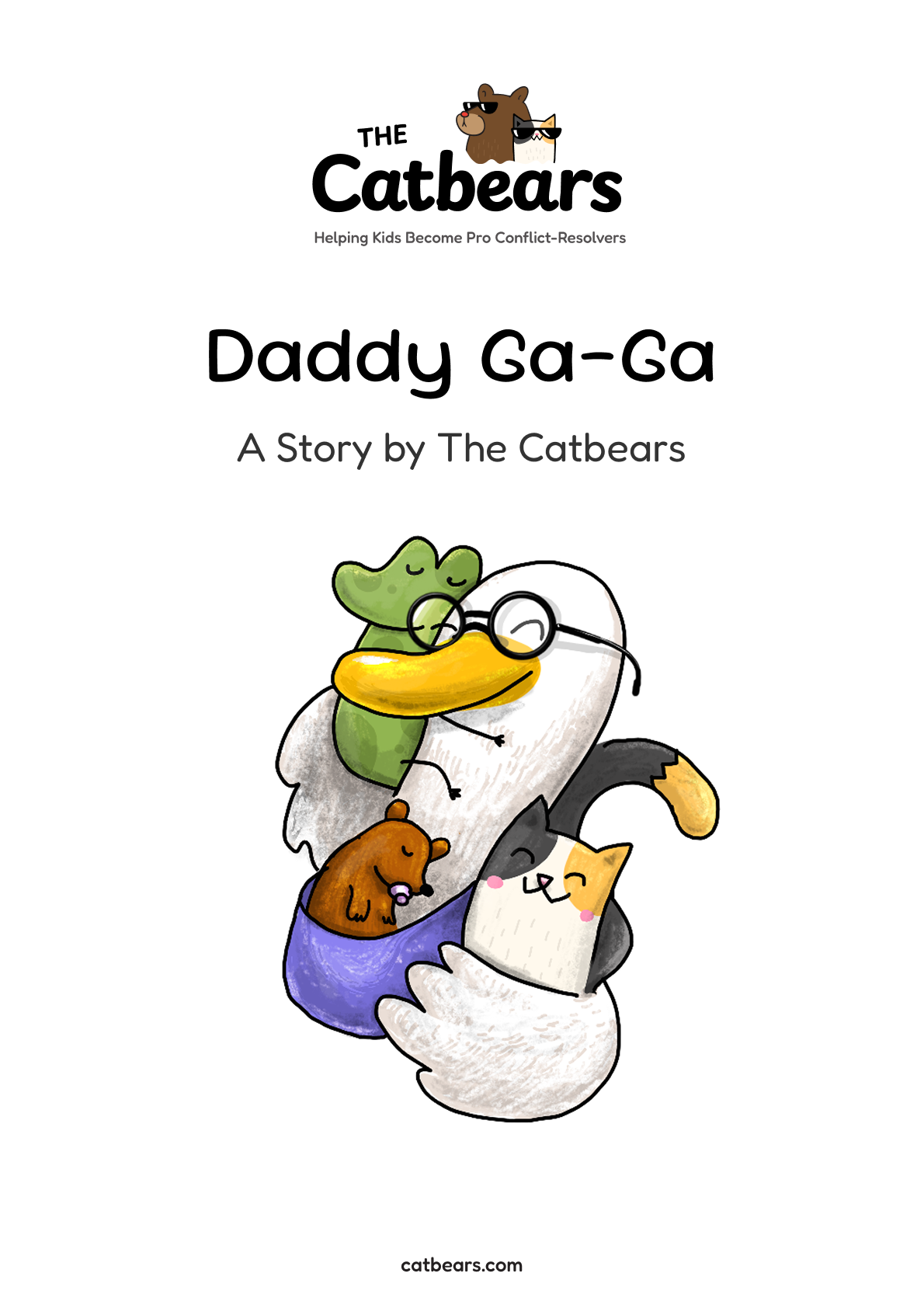
Как перестать кричать на своих детей (2026) | История воспитания Daddy Ga Ga | Catbears
Короткая иллюстрированная история воспитания, которая помогает родителям перестать кричать, понять неуважительное поведение и восстановить доверие без страха. Печатный PDF.
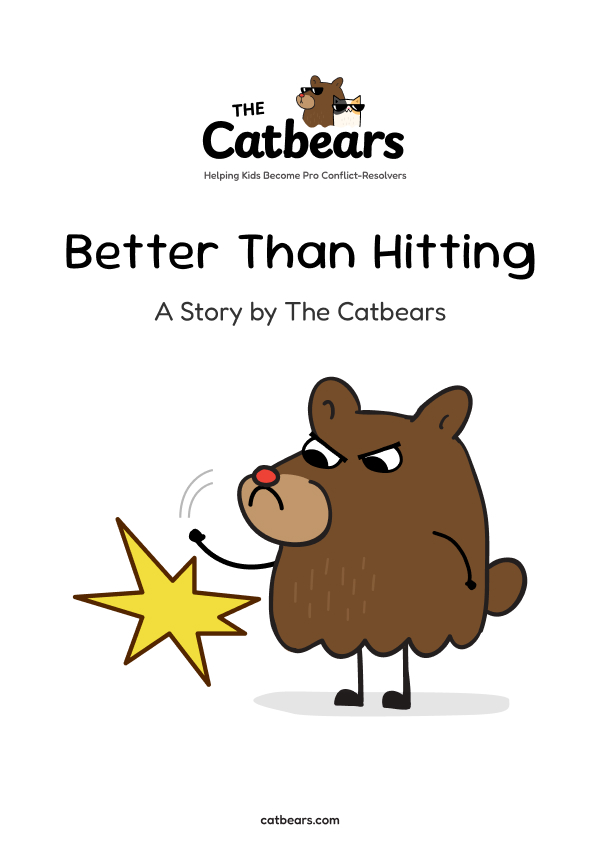
Социальная история без ударов PDF бесплатно для печати | Catbears
Бесплатная социальная история без ударов PDF для маленьких детей. Простая визуальная история, которая помогает детям держать руки при себе и безопасно справляться с большими чувствами.