
A classroom runs on attention. When the chart rewards the behavior you want to see, you spend your attention growing it - instead of chasing the behavior you don't.
How to run the behavior chart in class
- Pick the target: Choose one behavior for the class or the student to grow
- Agree on the reward: Extra recess, a class game, choice time - decide it together
- Track and celebrate: Mark wins on the wall or desk and name the good out loud
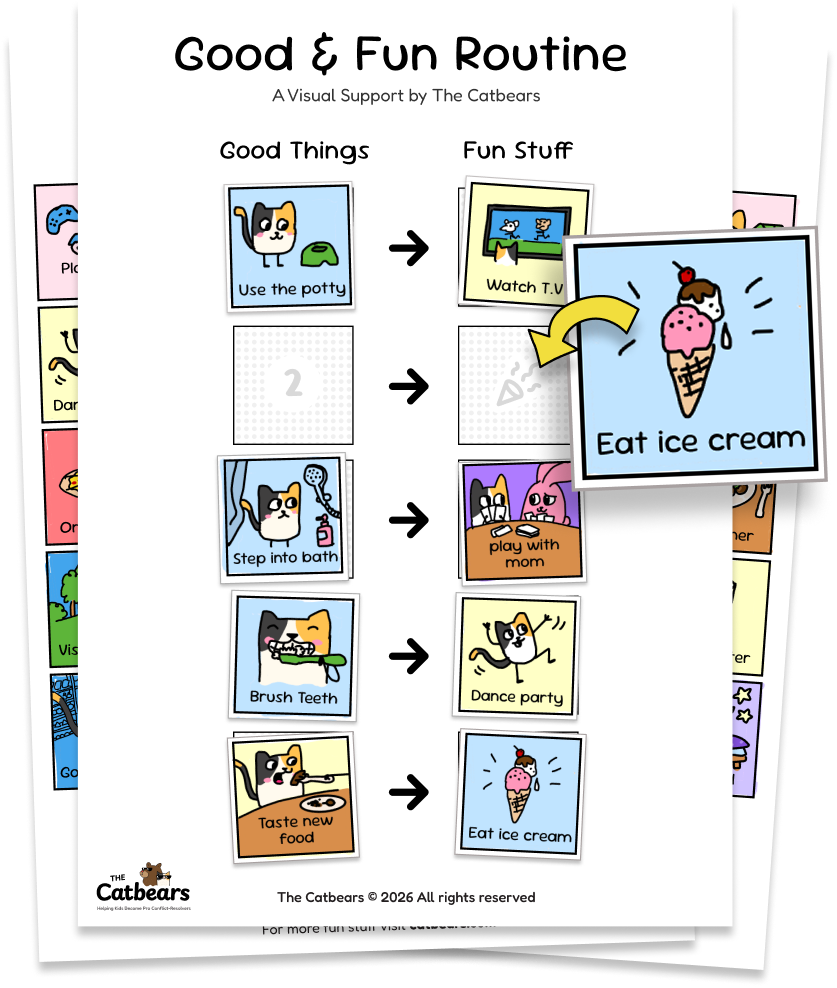
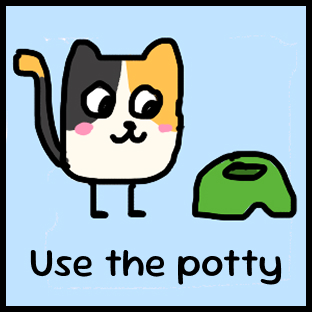 Good thing
 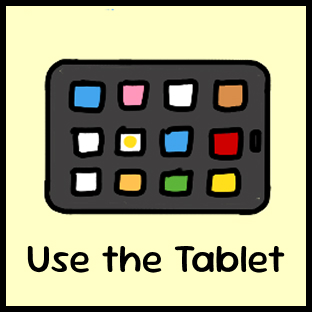 Fun stuff
 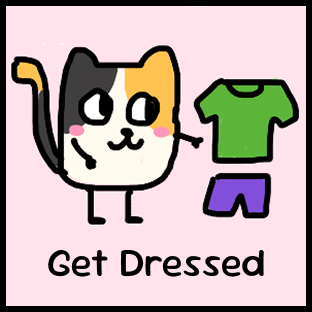 Good thing
 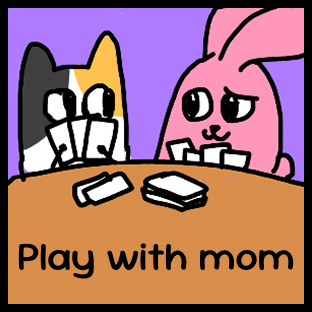 Fun stuff
 Over time you'll see progress
Students learn that the good stuff gets noticed. The target behavior spreads across the class, and individual students who needed support start to catch the same momentum.
A classroom behavior chart shifts the room's energy from correcting to celebrating - and that changes everything.
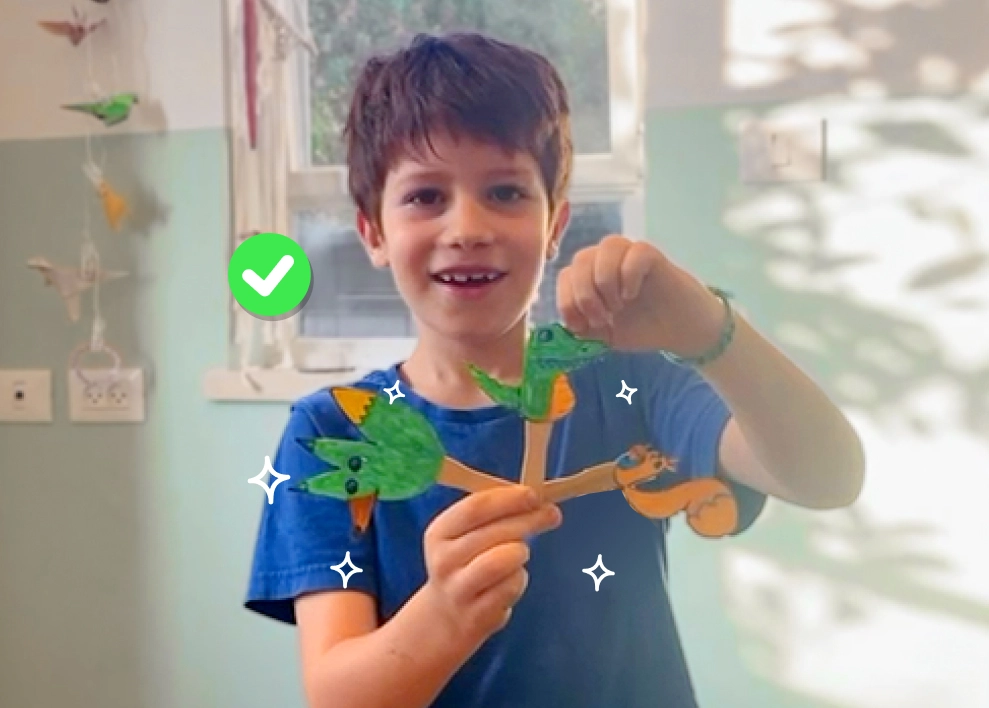
How to Use:
- Print the chart for the class or a student
- Set the target behavior and reward together
- Track wins and name the good out loud
Classroom behavior chart: free printable resources
Find a free printable classroom behavior chart, student behavior chart, and classroom reward chart. Pick the target behavior and reward, and track it with the class or one student. Ideal for school, ages 2-10.
Stories and games that offer original, captivating approaches to resolving conflict and building inclusive, unifying dialogue.

Use a whole-class chart when the target behavior is something the group is working on together (quiet transitions, cleanup). Use an individual chart for a student who needs targeted support. Many teachers run a class chart plus one or two individual ones alongside it.
Low-cost, shared rewards beat prizes: extra recess minutes, a class game, choice time, music while working, or line-leader for the day. Letting the class vote on the reward makes them far more invested in earning it.
Keep it fair by tracking a behavior everyone can realistically do, and by only ever adding marks - never removing them in front of the class, which singles kids out. For students who need a different goal, a private individual chart is fairer than holding them to the group's.
It sits on top of them. Your rules say what's expected; the chart makes one of those expectations visible and rewarding for a stretch of time. Pick a target that reinforces a rule you're already teaching rather than adding a new one.
Yes, completely free with no sign-up. Print a class copy and individual copies as needed - developed with classroom teachers and therapists.