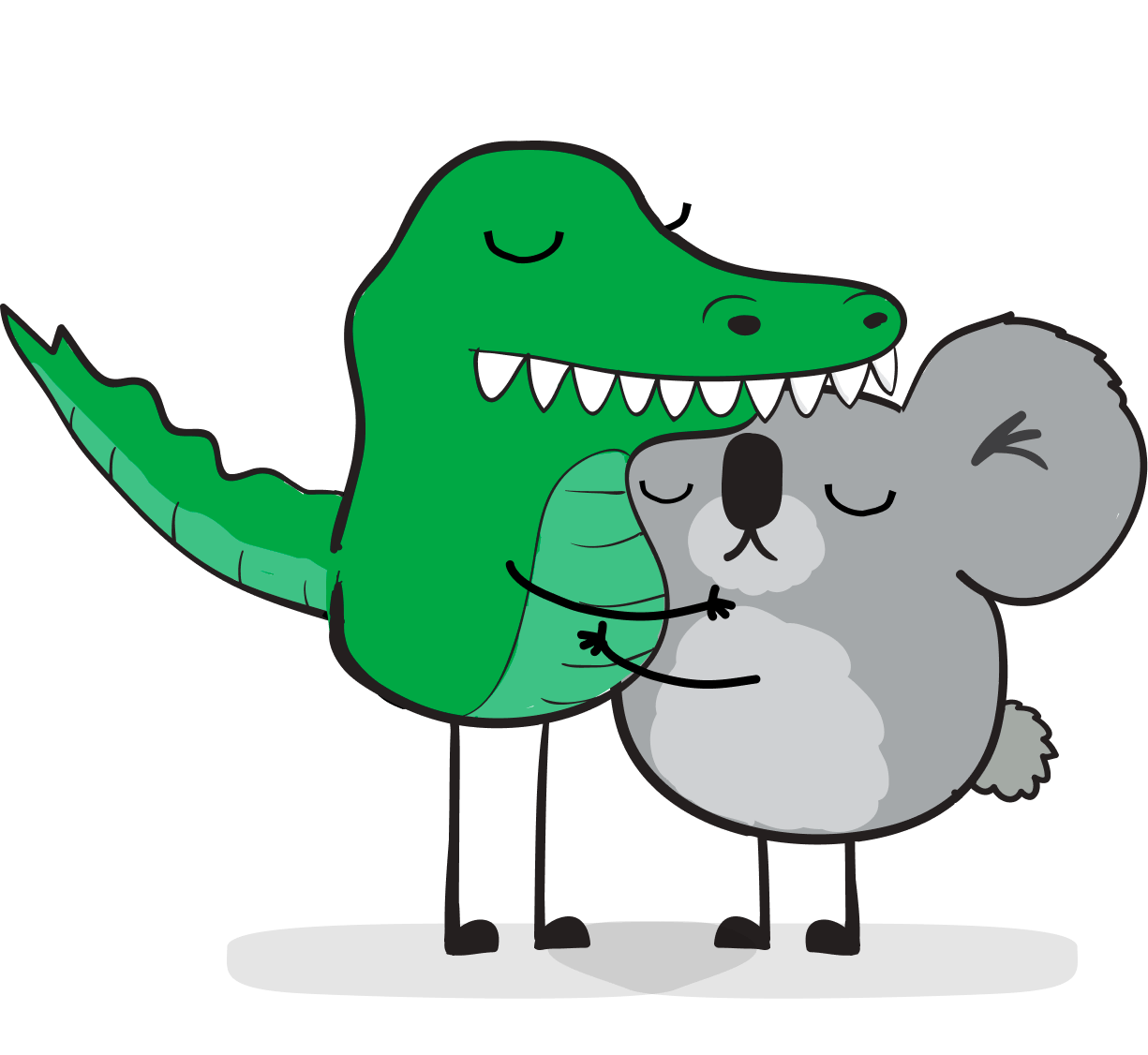
Jordy and Meek from the Catbears

A free social skills game for kids about boundaries, ages 5-10

Jordy keeps poking Meek and cracking up. Boop! Boop! To Jordy it is the funniest game in the world. To Meek it is not funny at all. Jordy is not a bully, he is a good friend who genuinely has no idea, and he is too deep in the game to catch a soft "um, can you stop?". That is the moment kids actually get stuck in, and it is what this game is about.

Your child plays as Meek and chooses what he does next: ask softly, say it clearly, yell, laugh along, get a grown-up, walk off, or push back. Each choice plays out on screen and shows what it left behind, for Meek and for the friendship. The hard part of a boundary is rarely the first try. It is saying it a second time, out loud, when the friend keeps going.

It is free, plays in the browser, and needs no sign-up. Share it with anyone who could use it, and help kids get words for the moment someone will not stop.
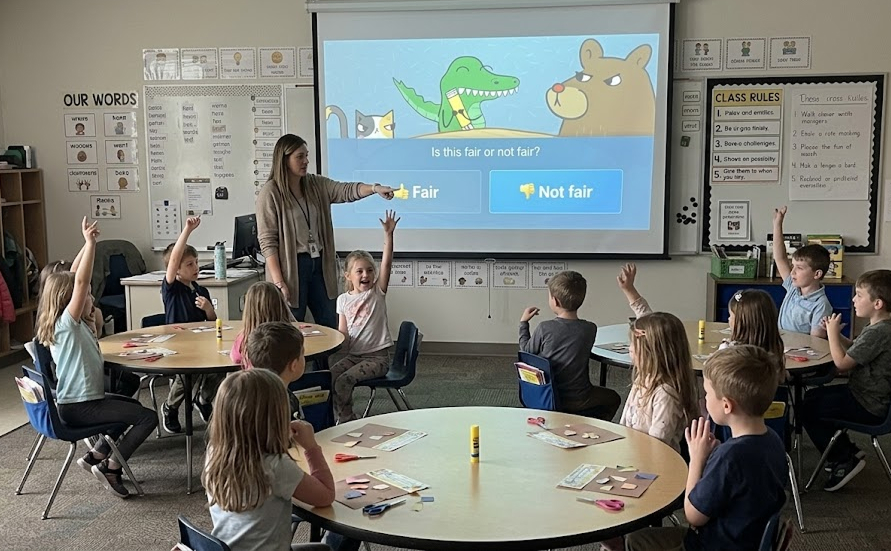
A classroom of kids watching a Catbears SEL game on screen while the teacher leads the discussion

A five-minute social skills game for kindergarten and elementary classrooms

Put it on the screen at morning meeting or circle time and let the class decide for Meek. It works because everyone in the room has been Meek, and quite a few have been Jordy without meaning to. It takes about five minutes, needs no prep, and drops straight into a lesson, a social skills group, or the ten minutes after something went wrong at recess. Afterward, ask the class the question the game leaves open: what makes "stop, or I will go play somewhere else" different from a threat? That is where it lands.

Assertive, passive, aggressive, seen side by side

The same situation branches into every response a child might actually pick, and none of them is labeled right or wrong. A child who chooses the fake laugh watches Jordy read it as a green light and keep going. A child who shoves watches a poking game turn into a real fight, with Jordy offended and still clueless about what he did. A child who yells gets to try repair afterward. For therapists and parents working on assertiveness, boundaries, or body autonomy, those small honest consequences do the teaching that a lecture cannot.

How to use it

Play it through and talk about it, that is enough. It fits a chat at home about a friend or a sibling who will not quit, circle time in class, a social skills or counseling group, and any child who tends to freeze, laugh along, or explode. Replay it and take a different path on purpose, the endings are built to be compared. Then ask your child which choice they would really make, and what they would say first next time.

What this game teaches

Setting a boundary out loud, and kindly

Kids practice the actual sentence: "I don't like that. Please stop." Clear, calm, no insult in it. Then they practice the harder half, saying it a second time when the friend keeps going, and naming something they control instead of a threat: "stop, or I will go play somewhere else." That is a boundary with a consequence attached, and it is what finally gets through to Jordy without anyone getting crushed. It is the same skill behind personal space, hands to yourself, and body boundaries for kids.

Telling the difference between assertive, passive, and aggressive

The branches let a child feel the difference instead of memorizing it. Laughing along and walking off silently keep the peace and leave Meek stuck. Yelling, threatening, and shoving stop Jordy fast and leave him hurt and confused, because he was never trying to be mean. Getting a teacher works, and the game is honest that it is not tattling when a friend will not listen, while also showing what it costs. Kids also get to see repair: after a yell, Meek can explain calmly and the friendship holds.

About Catbears

Catbears is about helping kids get good at the hard parts of being a kid, starting young. Boop Boop is one of a growing set of free social skills games. Each one takes a real moment kids run into and gives the grown-up in the room a simple way to talk about it.

Questions parents, teachers, and therapists ask

Ages 5-10, kindergarten through 4th grade. The story and the choices use simple language, so early elementary kids can follow it on their own or with a grown-up.

About five minutes for one path. Most kids want to go back and try the other choices, which takes another few minutes and is worth it.

How to set a boundary with a friend: say clearly what you don't like, say it again when the first try doesn't land, and keep it kind instead of turning it into a fight. Kids also see how the passive and aggressive versions play out, and what a grown-up's help does and doesn't fix.

Give them the words, then let them practice using them. Start with a short, clear sentence about the behavior rather than the person, like "I don't like that, please stop." Then prepare them for the friend who keeps going, because that is the part that catches kids off guard: say it a second time, and add something you control, like leaving the game. Playing through Boop Boop together gives you both a concrete moment to talk about instead of an abstract rule.

Not always, and this game deliberately sits in the gray area. Jordy is a friend who thinks he is playing and does not realize he is hurting Meek. That is different from bullying, and it needs a different answer: a clear boundary, repeated, rather than a punishment. Bullying is repeated behavior meant to hurt or exclude, and it needs an adult involved. Teaching kids to tell the two apart helps them respond to each one well.

No. In the game, going to the teacher does stop it, and the story says plainly that asking a grown-up for help is not tattling when a friend won't listen. It also shows the cost: Jordy just feels like he got in trouble and still doesn't understand what he did. That trade is worth talking about with kids rather than hiding.

For ages 5-7 we suggest the first play through together, so you can pause and talk about each choice. Kids 8 and up can play alone, though a short chat afterward is what makes it stick.

Yes. No sign-up, no download, no cost. We think every child should be able to practice these skills.