
Behavior charts work not because kids fear losing a sticker, but because a clear goal plus a real reward makes the right choice the easy choice.
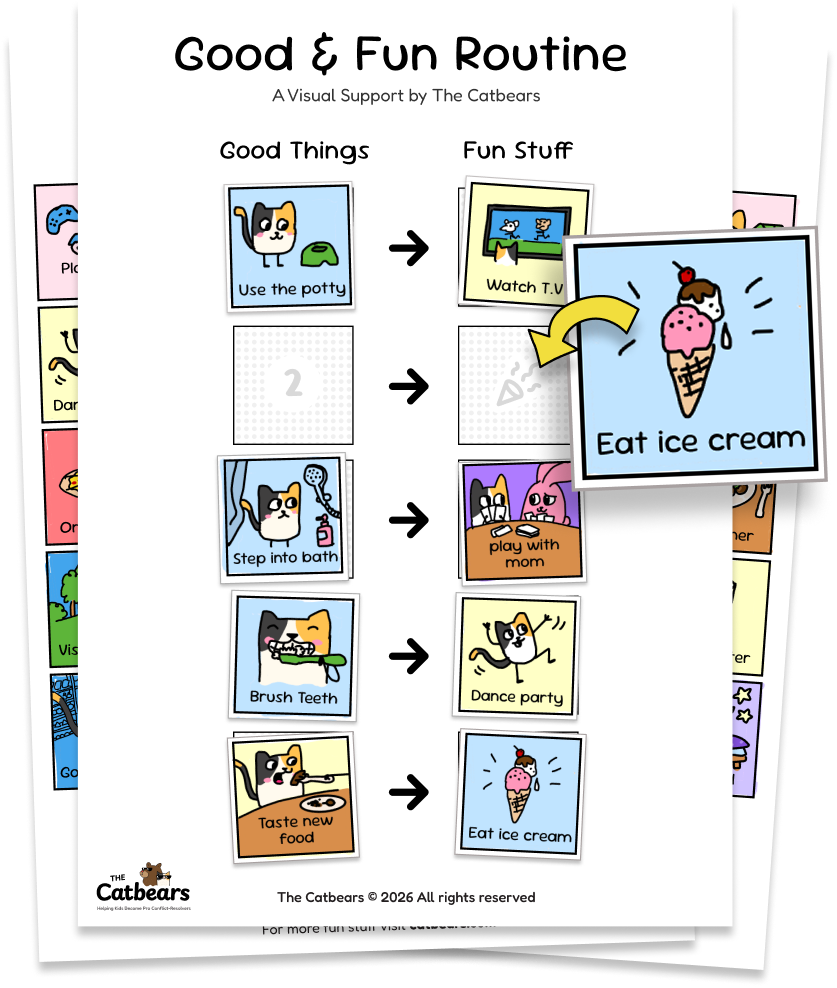
How the behavior chart works: pick a behavior, pick a reward
- Pick the behavior: Choose the one habit you want to grow this week
- Pick the reward: Let your child help choose the 'Fun Stuff' they're working toward
- Celebrate your wins: Move the card or give a high-five the moment they do it
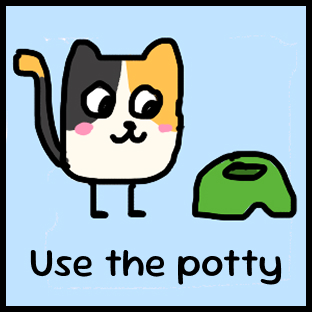 Good thing
 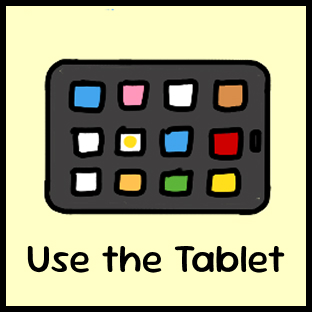 Fun stuff
 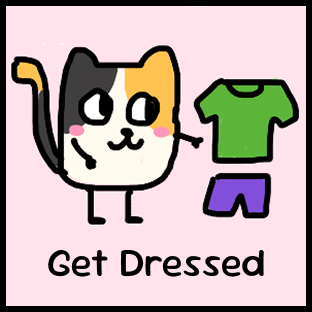 Good thing
 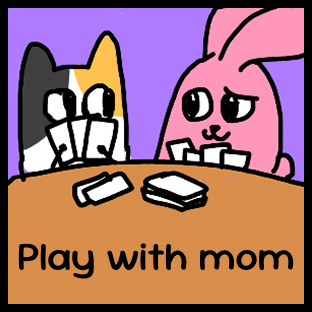 Fun stuff
 Over time you'll see progress
Children learn that good choices lead somewhere good. The behavior sticks long after the chart comes down, because it built a habit, not just a payout.
A good behavior chart turns 'stop doing that' into 'look what you can do' - which is how real change happens.
How to Use:
- Cut out the Good & Fun cards
- Set the behavior and the reward together
- Follow the chart and celebrate every win
Free printable behavior chart resources for home and classroom
Find a free printable behavior chart, reward chart, and positive behavior chart template to help children build good habits. Parents pick the behavior to grow and the reward to work toward. Ideal for home and classroom, ages 2-10.
Stories and games that offer original, captivating approaches to resolving conflict and building inclusive, unifying dialogue.

A behavior chart is a visual that tracks one behavior you want to grow and pairs it with a reward. Instead of nagging, the chart shows the goal and the payoff, so progress is something you can both see.
Pick the behavior to grow, pick the reward, and mark the chart each time the behavior happens until the reward is earned. It works on positive reinforcement - you're growing the behavior you want, not punishing the one you don't.
Any single, observable behavior: getting dressed, using kind words, staying at the table, tidying up, gentle hands. The trick is to track one at a time and phrase it as the thing to do, not the thing to stop.
Yes, when they reward good choices instead of punishing bad ones, and when the goal is small enough to hit early. The most common reason a chart fails is tracking too many behaviors at once - keep it to one.
Yes, completely free with no sign-up. Print it as many times as you need and start a fresh chart whenever the goal changes.